
• Skip to primary navigation
  • Skip to main content
  • Skip to primary sidebar
  • Skip to footer
  • Recipes
  • Blog
  • Cookbooks
  • Discount Codes
  • Work With Jenna
  • Courses
  • Services
  • About
  • Contact
  • Healthy Fall Recipes

Make Healthy Easy - Jenna Braddock RD

menu icon
go to homepage
  • Recipes
  • Blog
  • Cookbooks
  • Discount Codes
  • Work With Jenna
  • Courses
  • Services
  • About
  • Contact
  • Healthy Fall Recipes
subscribe
search icon
Homepage link
  • Recipes
  • Blog
  • Cookbooks
  • Discount Codes
  • Work With Jenna
  • Courses
  • Services
  • About
  • Contact
  • Healthy Fall Recipes
×
Home

Stitch Fix Outfits Review and Tips for Your Best Fix

Jenna Braddock wearing Stitch Fix clothing 2026

January 28, 2026 Featured

Stitch Fix Outfits Review and Tips for Your Best Fix

Finding clothes you love that fit perfectly and match your style can be overwhelming and time-consuming. That’s where Stitch Fix comes in, offering a personal styling experience right at your doorstep.

Jenna Braddock wearing Stitch Fix clothing 2026
[feast_advanced_jump_to]

This post contains affiliate links and I may be compensated. I received some of the items mentioned in this post for free from Stitch Fix. All opinions are my own. Thank you for your support! You might also be interested in 7 Unique Valentines Day Gifts for Women.

Expert Picks, Just for You

I have been using Stitch Fix now for over a decade now. Typically, I do about 1 Fix a year and I can honestly say that I still have probably 80-90% of the pieces I have gotten over the years. I love them so much and continue to wear them regularly. They send me clothing that I really like and that I will actually wear. Plus, the clothes I kept haven't really gone out of style for me. The pieces Stitch Fix sends me have become key pieces to my wardrobe.

A Stitch Fix personal stylist will hand-select items based on your style profile, fit, body type, budget, so every piece you receive is curated just for you. Update your wardrobe, find that perfect outfit, and receive choices tailored to make shopping effortless and enjoyable.

Save Time and Avoid Poor-Fit Purchases

By now you've probably at least heard of Stitch Fix. It's an online personal stylist service that ships you up to 8 items (clothes, accessories, and/or shoes) at any interval you choose. (This is an update from the previous 5 items!) I really liked this update! I chose 7 pieces for this Fix.

Say goodbye to hours wandering through stores or scrolling endlessly online. Stitch Fix helps you avoid buying items that don’t fit or suit you, giving you more time to focus on the things you love. Your order stylist picks items to meet your needs based on their assessment of your fit and style preferences and your style shuffle. It's fantastic for anyone who does not have time to shop, doesn't really enjoy shopping, or is in need of some new looks for their wardrobe. And when I say fantastic, I mean FANTASTIC!

One of my favorite features of Stitch Fix is that they send me things I wouldn't necessarily pick out for myself but end up really loving. It pushes me outside of my comfort zone.

Your First Fix

You sign up through the Stitch Fix website for free. Then, set up your Stitch Fix account style profile by answering a lot of questions about your personal style and your body type (it's worth it) in a style quiz. Then you choose how often you want to receive shipments. You can set them to auto send at any frequency or just manually select dates as you want them. Manually selecting dates is what I do. There is no commitment required. 

When you have a stitch scheduled in the calendar (for example you chose to have one sent to you on November 30th), you will be charged a $20 styling fee. (I've noticed lately that the fee says "it's on us" meaning that it's waved. So, look out for that when you login! That $20 is applied to your final purchase though so it's not wasted money. Your stylist sends up to 8 items based on your requests. You can ask for a specific item, wardrobe essentials, price preferences, or describe an event you need outfit inspiration for. 

Top Tip

My best advice: be specific when telling your stylist what you're looking for in this order. For example, I asked my stylist to give me tops that hit at the hip. I also asked for a black top I can wear with anything and pieces that are casual but could also be dressed up. I mentioned that I'd like things that go together so that I can mix and match.  My stylist nailed exactly what I was looking for. I'm sure it helps that they have a lot of history with me to review what I like, what I kept, and what fits. Every piece they sent fits me perfectly. 

I had saved the black and white striped top in the app as a favorite, and it showed up in my Fix as a fun surprise. I loved it! Saving favorites before a Fix really helps ensure I receive pieces I’m excited about.

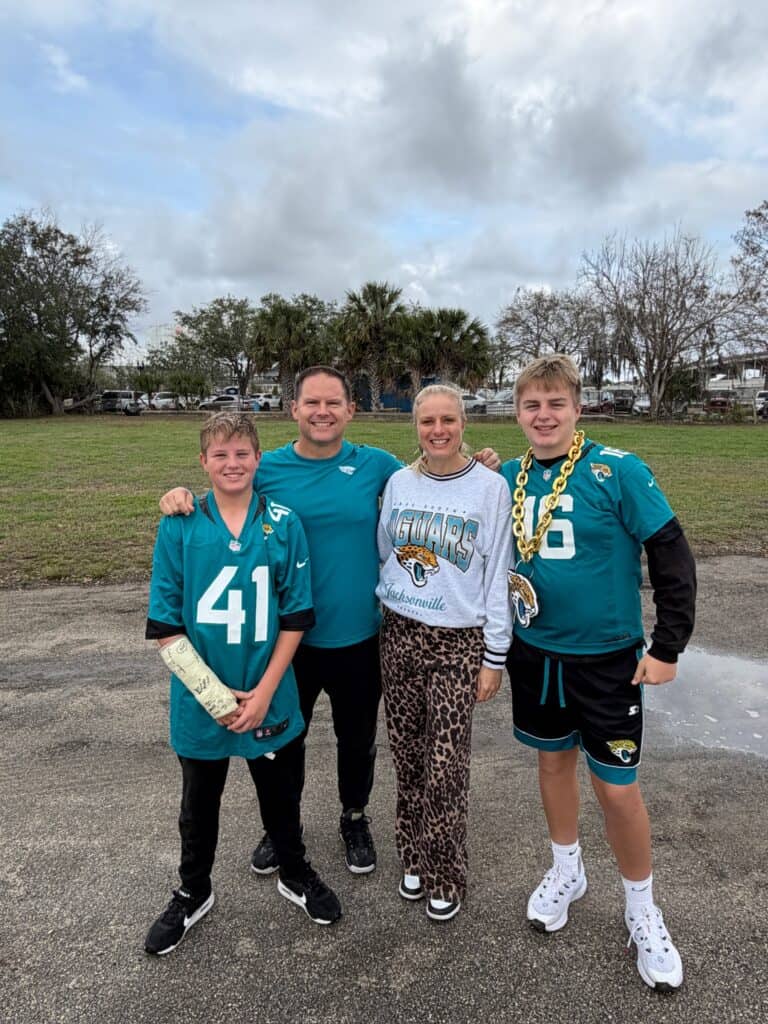
The red top is something I never would have chosen for myself, but it’s so fun and I absolutely love it. The animal print pants (or "jag" pants as I like to call them since our football team is the Jaguars) are both fun and comfortable. I’ve loved the pants I’ve received in past Fixes and wear them all the time.

I’ve favorited several blazers in the app before but always felt like they didn’t look quite right on me. This time, my stylist picked one anyway, and while it definitely pushed me out of my comfort zone, I really like it. It will elevate a simple pair of jeans for sure.
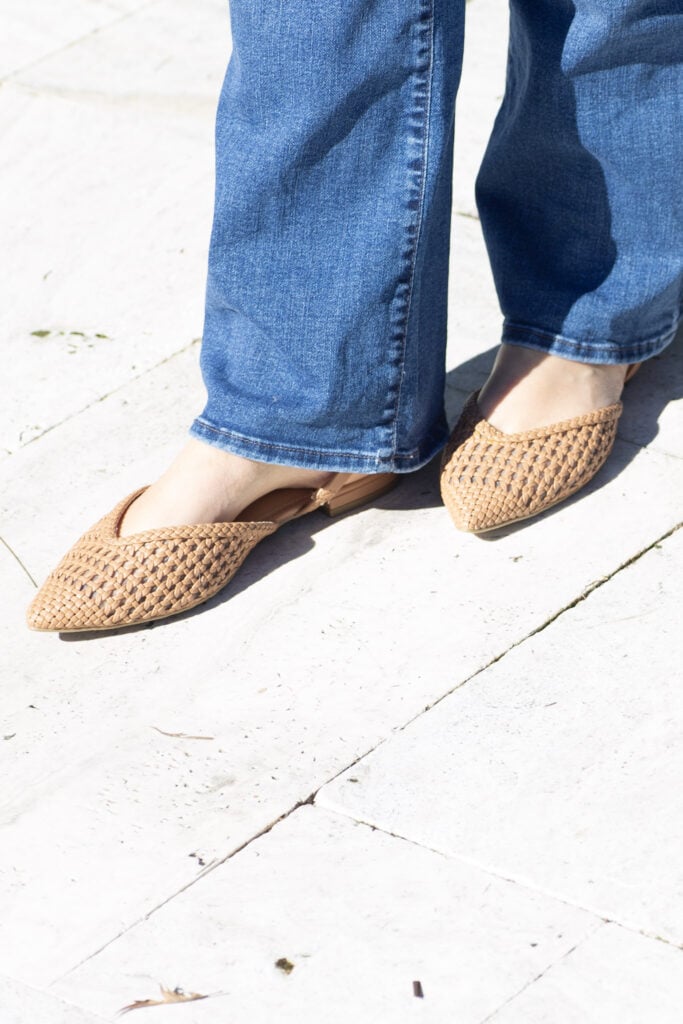

Free Try-Ons & Easy Returns

With Stitch Fix, you "Try Before You Buy". After you try your new clothes on in the comfort of your own home, you have 3 days to make your selection. Purchase what you want and return the items you don't want. Included in your shipment is a return shipping bag with a label so there is no charge to you to return items. Free shipping! Simply place unwanted items in the included bag, seal, attach pre-paid labels, drop it off at the post office, and you're done. Side note: I definitely recommend leaving your stylist feedback on items you choose to not keep. This will help with your stylist with your second box if you choose to order one in the future.

Stitch Fix Brands
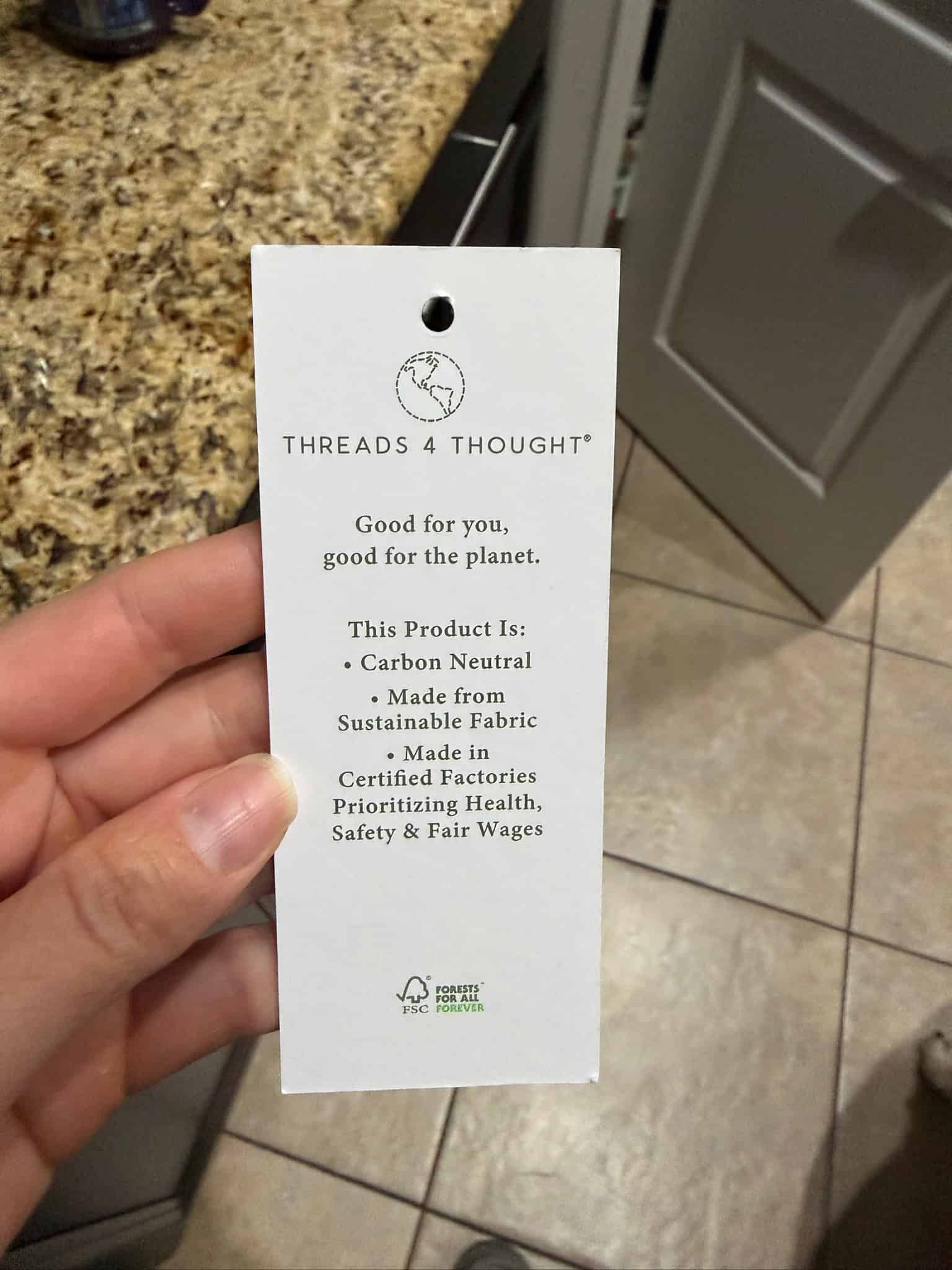
I really like the brands Stitch Fix uses. In my last two shipments especially, I’ve noticed a focus on socially conscious and environmentally mindful brands. Whether that’s in the fabrics they choose or the way they treat people. I love being introduced to brands I probably wouldn’t have discovered on my own.

One of my personal goals is to rely less on fast fashion and impulse buys. Especially the “I need that, I’ll just order it” moments on Amazon. I’m trying to be more intentional about what I buy and more aware of the impact overconsumption has, even in small, everyday decisions.

Stitch Fix for Men

One of Stitch Fix’s newer offerings that you might not be aware of is their men’s line. We haven’t tried it yet, but I’m definitely intrigued. If you’ve ordered a Men’s Fix, I’d love for you to comment and share your experience. The process works the same way: men take a Style Quiz, are matched with a stylist, and receive a personalized Fix. The website also features many recognizable brands, including Vuori, Vans, The North Face, and more.

Stitch Fix makes shopping personal, simple, and fun, giving you expert-picked fashion without the stress. Whether you’re busy, unsure about sizing, or just want a wardrobe refresh, Stitch Fix has you covered.


Seattle space needle

December 29, 2025 Travel

Seattle Washington Ultimate Travel Itinerary 

Seattle, Washington is the perfect destination for travelers who love nature and lots of walking! Here are my top picks for a Seattle travel itinerary including favorite places and outdoor activities.

[feast_advanced_jump_to]

Long Weekend

If you have only three-four days to spend in the vibrant city of Seattle, Washington, here's what I would do!

Day 1: Downtown Seattle Icons & Waterfront

Begin your day in the downtown area at Pike Place Market, especially if you are a first-time visitor. This historic market has been a Seattle icon for more than a century. Good luck trying to catch a glimpse of the fishmongers throwing salmon... we waited a long time and never saw one! But you could make a whole crowd delighted if you purchased some fish to be shipped home so that everyone could watch them throw! You'll of course want to admire the gorgeous flower markets... I dare you to not buy any- it's nearly impossible! You'll enjoy items by local artists, food items, fresh produce, and unique shops. Grab a breakfast sandwich and eat outside by the Seattle waterfront to soak up the natural beauty. Fun fact: it's right next to a Target if you realized you forgot anything and need to make a pit stop.


Next, head to the Seattle Center and check out the Seattle Space Needle. With a revolving glass floor, you'll experience excellent views. You can purchase tickets alone or in combo with the Chihuly Garden, which is another gem definitely worth visiting. Again, what we love about this trip is that you're constantly in motion, fueling up on great food and coffee, and enjoying the fresh air. 

Seattle space needle

Then for dinner, head to the Pioneer Square District where you'll see incredible 19th-century architecture. Try Cafe Paloma if you're there Thursday-Saturday for delicious Mediterranean food with lots of healthier options.  You're going to get very good at using the link light rail on this trip! Grab an orca card (one per person- you cannot share!) and reload any time you need to via your phone app or at rail stations.

Day 2: Mount Rainier National Park

Now that you've had a day to acclimate, rent a car and head to Mt. Rainier National Park for the best views and great hiking. It is about a 2-hour drive from Seattle. I will say, June is not the best time to visit, as some of the trails were still closed from the snow. Definitely pack your hiking sticks and/or crampons to enjoy your time to the fullest if you're traveling in winter. We stopped at the Paradise Visitors Center to grab some food from the cafe, some hot chocolate, and prepare to hike in the snow. We also loved the gift shop and the bathrooms were clean! 

waterfall in Mt. Rainier National Park

The Skyline Trail has beautiful views of Mt. Rainier, alpine meadows, and maybe you'll see some wildlife. Naches Peak Loop is worth doing for sure! It is a 3.8-mile hike and it's considered mild to moderate in difficulty. As always when hiking, pack plenty of water, food, and wear layers. Somone at the visitor center could definitely help you play the day itinerary in the park depending on what is open during the time of year you are visiting. 

When you're leaving the park from Paradise Visitor Center, you can stop and explore some waterfalls. Worth it!

Head back to Seattle for dinner in the Capitol Hill district.  We found healthier options at Sweetgreen but there are many restaurants to choose from.  The Capitol Hill district is vibrant and lively at night. Also a must see in the Capitol Hill area is the Elliott Bay Book Company bookstore. It is so charming, you won't want to leave! 

Elliot Bay Book Company Seattle

If you're a fan on national parks, check out my post on Rocky Mountain National Park. 

Day 3: Bainbridge Island Getaway

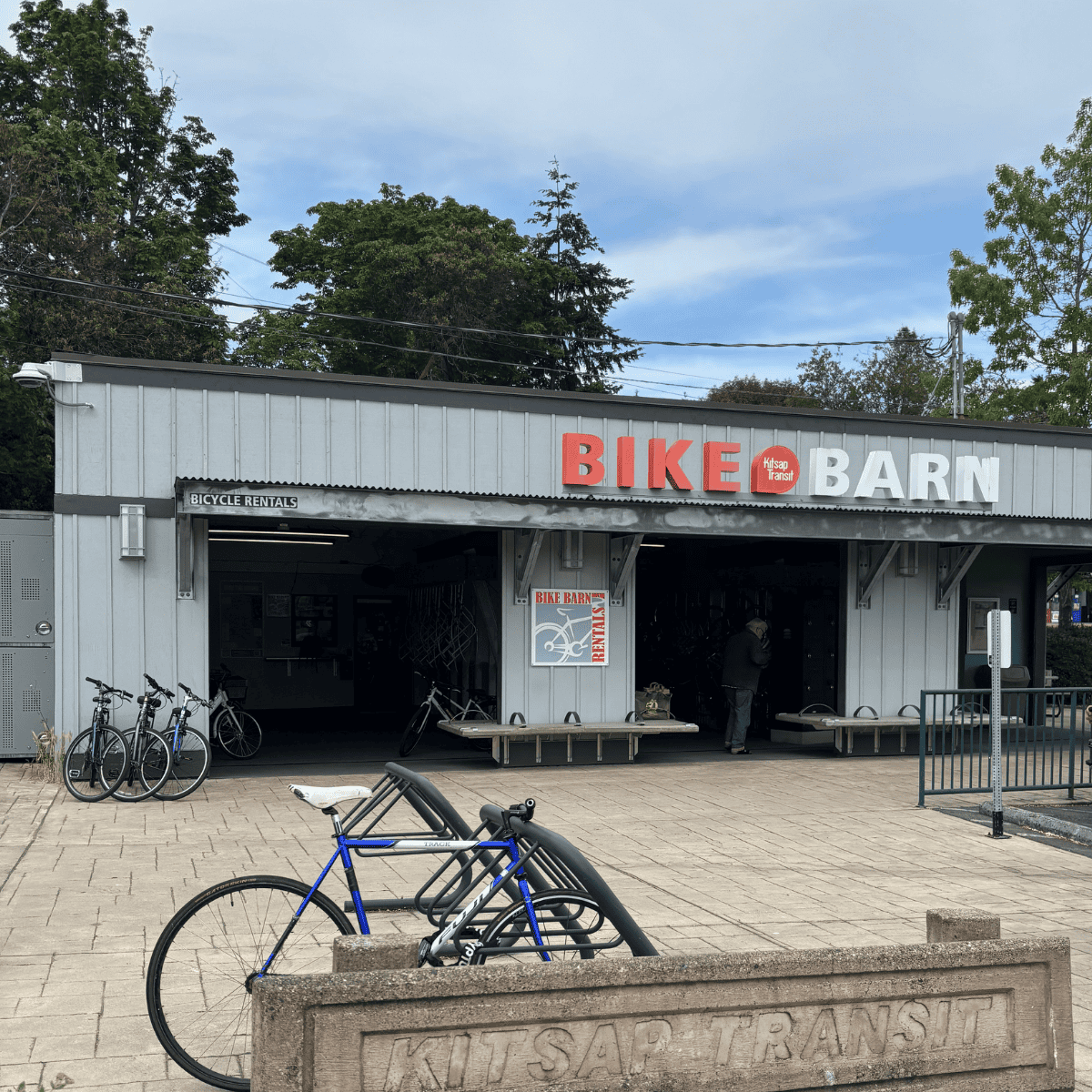
Take the ferry over to Bainbridge Island, a true gem of the Pacific Northwest. While you're on the ferry, decide how much of the Island you want to see because you have a few options. If you have a car, you can explore the entire island in a day. If you walked onto the ferry, you could rent e-bikes and see some of the island. The bike rental shop is a short walk from the ferry. The employees in the bike shop can help you plan a route that allows you to see the highlights on your list. 

Bike Barn on Bainbridge Island

A few highlights:

  • Winslow- a charming town that will feel like you're in a Hallmark movie. Visit local art galleries, boutiques, and restaurants. Stop in the Bainbridge Island Museum of Art, featuring works by regional artists. 
  • Bainbridge Island Japanese American Exclusion Memorial- a serene walk through an educational and immersive experience. "Let it not happen again."
  • Bloedel Reserve- explore the 150-acre forest garden
Japanese American Exclusion Memorial

Take the evening ferry back to Seattle, enjoying the stunning views of Puget Sound at night (you're getting so good at public transit!). Return and have a cozy meal in the Queen Anne neighborhood. Take a stroll through Kerry Park if you still have energy, which features the best views of Elliott Bay and sometimes Mr. Rainier. The time to visit this park is at night, as the ferry lights and shining Space Needle are breathtaking.

Bonus Spots

If you find you have more time, head to Olympic Sculpture Park in downtown Seattle on Elliott Bay. It is free and open 365 days a year. The park is a Z-shape and features four distinct landscapes: valley, shore, grove, and meadows. This might be the world's most perfect place to exercise/relax/thrive! Standing here, you'll definitely see why some call Seattle "The Emerald City". Nearby is the Seattle Art Museum with over 25,000 works of art representing global cultures and historical perspectives.

Hopefully this gives you some great ideas for enjoying the beautiful Seattle area. 

To receive content straight to your inbox that encourages you to live with purpose, subscribe to my Substack HERE.

yogi bear's jellystone water park splash park

December 29, 2025 Travel

Yogi Bear's Jellystone Park in Tyler TX Outdoor Family Fun

Looking for classic family fun for active families? Visit Yogi Bear's Jellystone Park Camp-Resort in Tyler, Texas for unforgettable memories for the whole family.

Before this place was called Jellystone, it was called "Whispering Pines"- one of the best family campgrounds there was. Now, it's a campground UPGRADED. This place seriously has everything. Let's jump in.

Waterpark

waterpark yogi bear's campground

Located just north of Tyler, you'll drive up to the resort through the beautiful pines. Upon entering the park, you'll first stop inside the ranger's station (registration station) to check in. They'll give you wristbands for the whole family and a tag for your car. Then you'll immediately notice the huge water zone. This water park is completely fenced in on all sides.

There is a sprayground/ splash pad where younger visitors will spend most of their time. Prepare to be sprayed! With slides, water guns, and even a toddler slide, there is much to occupy your little ones. Parents watch nearby while sitting in the water (about 4 inches high) and working on their tan, or some reserve a special cabana for their crew. There are umbrella tables and chairs all around. There were a couple of lifeguards around, mainly making sure things didn't get out of hand on the taller water slides. In the winter months, this becomes an interactive heated water playground.

Pass through a gate and you're on the side with the deeper, spacious swimming pool and spa tub. This is the family pool with chairs and umbrella tables around, plus a basketball net on one side of the pool. 

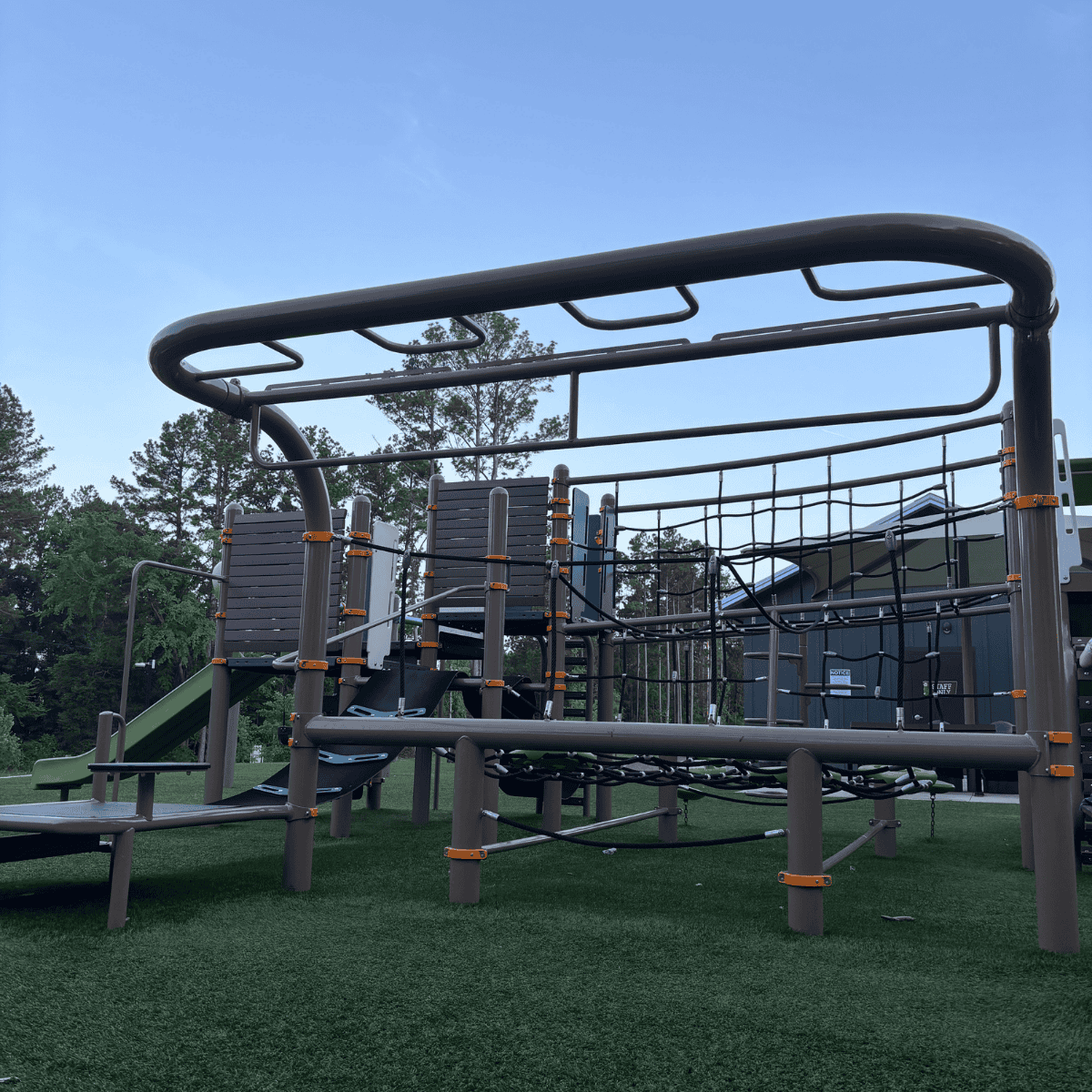
playground at yogi bear's jellystone campground

Themed Events

Pay attention to the papers they give you when you check in. You'll find some special offers, but most importantly you obtain a link to the online schedule of events. Each day in the summer (and probably in other seasons as well) there is a line-up of different ways to keep everyone having fun and staying active!

Some of the things you'll find:

tennis courts jellystone campground
Tennis Courts
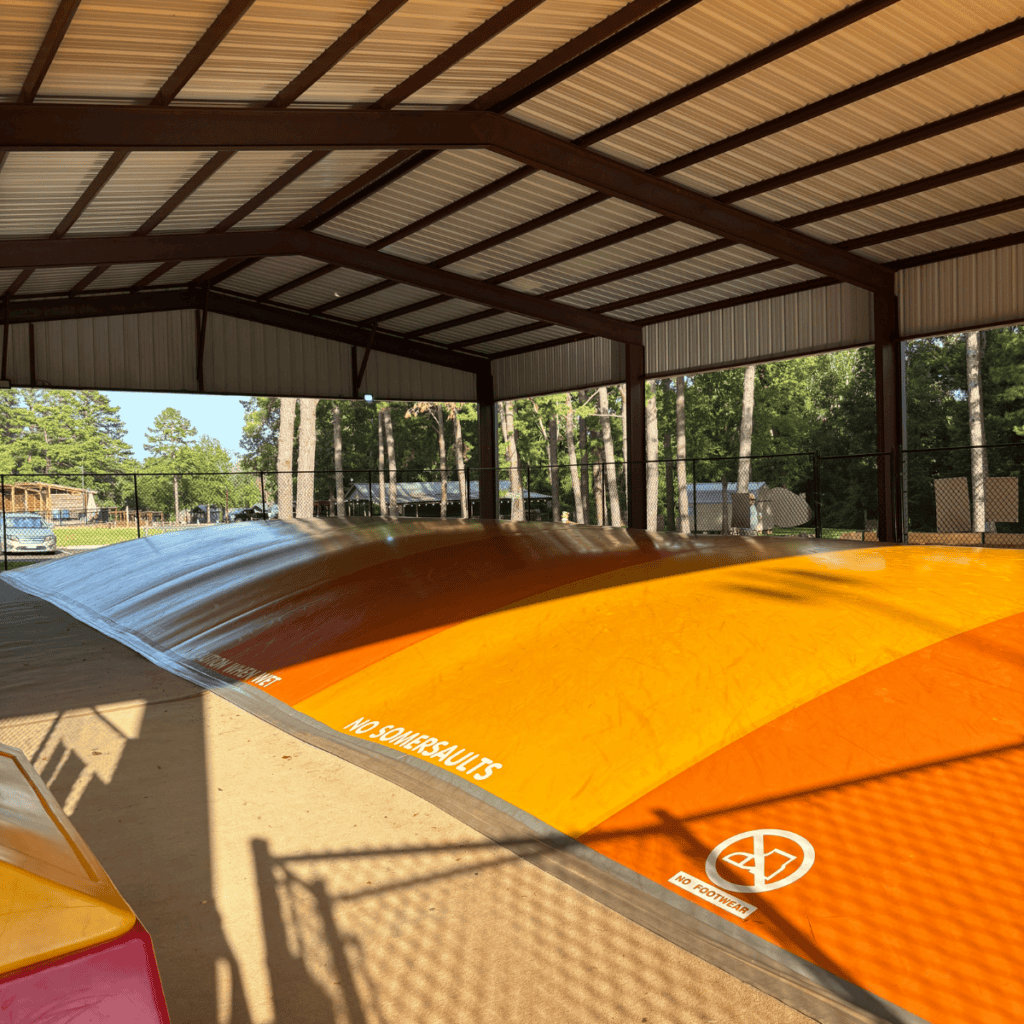
bouncing pillow jellystone campground
Bouncing Pillow
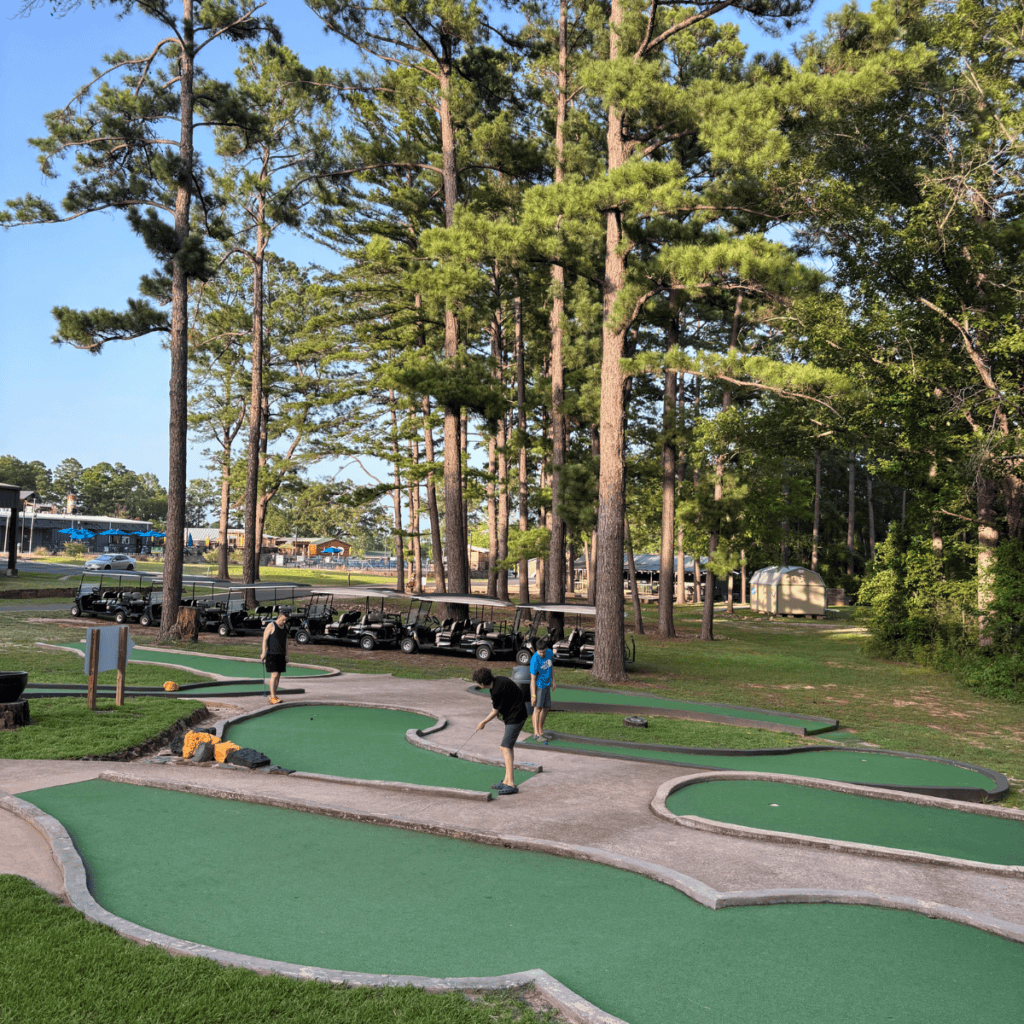
mini golf jellystone campground
Mini Golf
  • Gem Mining- you can purchase different sizes of gem buckets at the activity building. This is a paid activity.
  • Laser Tag- there is a station set up with wooden walls to hide behind. This is a paid acitivity.
  • Wagon Ride- and in the summer the wagon ride during the daytime was a water ride. They provided a bucket of water and various water blasters and we sprayed each other or other campers we encountered along the ride. The campground also encourages campers with full hook-up RV sites to prepare their hoses to spray the wagon riders as they pass by. Everyone was in their swim wear or was prepared to get wet. On the evening ride, everyone wore their glow in the dark accessories (available at the gift shop or bring your own) and sang along to the music provided by the staff via a speaker on the wagon. The nighttime ride was my favorite thing. This activity isn't an additional expense.
  • Gaga Ball- free!
  • 9-hole mini golf course. This is a paid activity.
  • Foam party- this is for the younger campers. They go (in swimsuits mostly) to this concrete slab and the staff releases tons of foam all over the place from the ceiling. It's amazing and included in your pass.
  • Tye-dye shirts- a paid activity, but a fun take-home souvenir.
gem mining yogi bear's jellystone
Gem Mining
arcade yogi bear's jellystone
Arcade
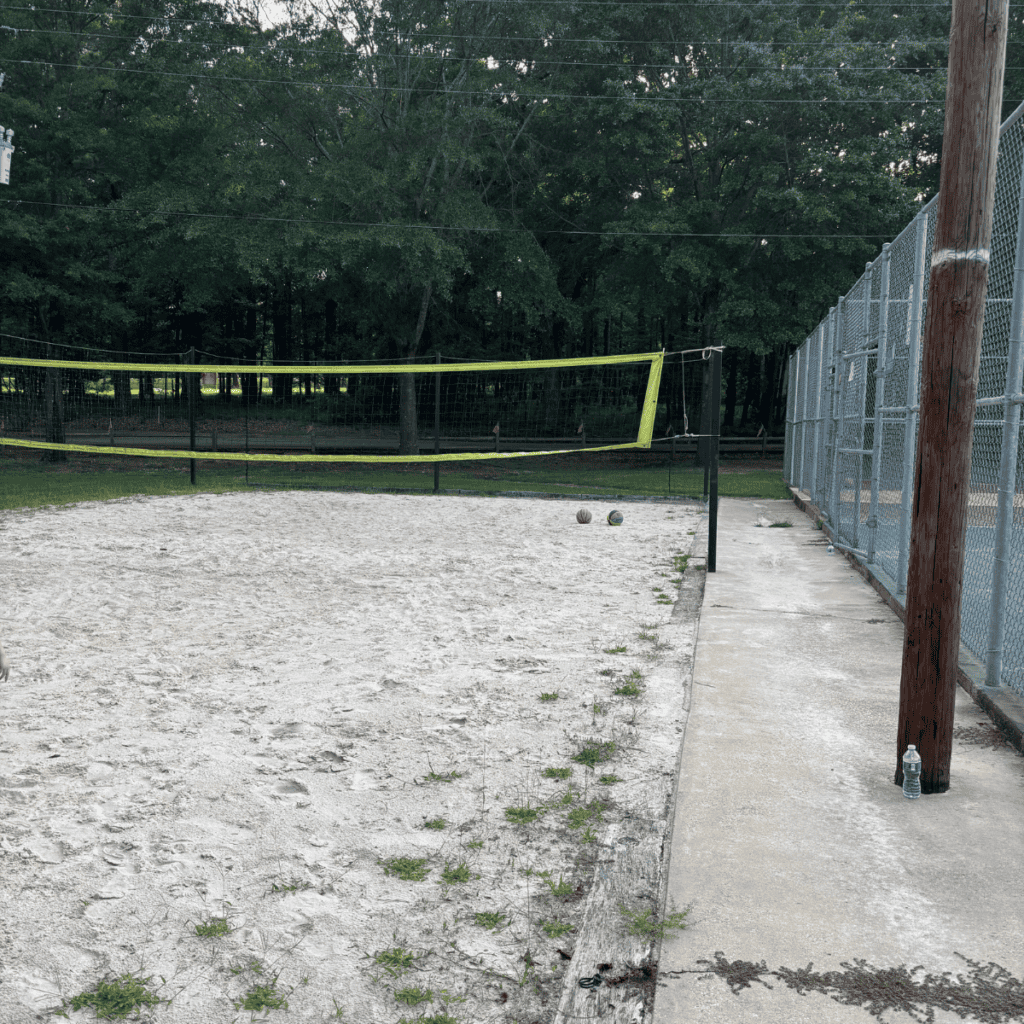
vollleyball jellystone
Sand Volleyball
  • Coloring- free!
  • Glow in the dark dance parties- free!
  • Painting ceramics- This is a paid activity. We painted Christmas ornaments to take home as our souvenirs
  • Bouncing pillow- free!
  • Arcade- This is a small building with a few arcade games (maybe 10?). I didn't look to see how much it cost per game, but it is a paid activity.
  • Variety of sports courts- free!
  • Hike the nature trails- free!
  • Outdoor movies- These happen at night up by the playground and are free!

Food

campfire canteen yogi bear's jellystone campground

The food available for purchase at the Campfire Canteen was 99% junk food. (Pizza, burgers, popcorn, ice cream, etc.) If you're staying in one of the luxury cabins, you'll have a full kitchen to prepare your own healthier meals to keep everyone fueled well for the fun. Then maybe go to the canteen for a special treat. 

Characters

I would suggest showing your family a couple of episodes of Yogi Bear from YouTube before you head to the park. This will help them enjoy the decorations and special visits from characters like Boo Boo, Yogi, and Cindy Bear. Cindy surprised us at the water park one day, and we saw Yogi on a golf cart. Oh, you can rent golf carts, too!

​Various Ways to Stay

This place used to have many tent sites, but now you'll see mostly cozy glamping cabins. They come with dishes, a fridge, stove, tv, wi-fi. You bring your own towels, linens, soap, etc. There are also plenty of Deluxe RV sites.

For a great place to vacation as a family that will keep everyone walking and playing, this is the right place. Maybe it will become your new family tradition!

You might also enjoy Free Family Fun Things to Do in St. Augustine.

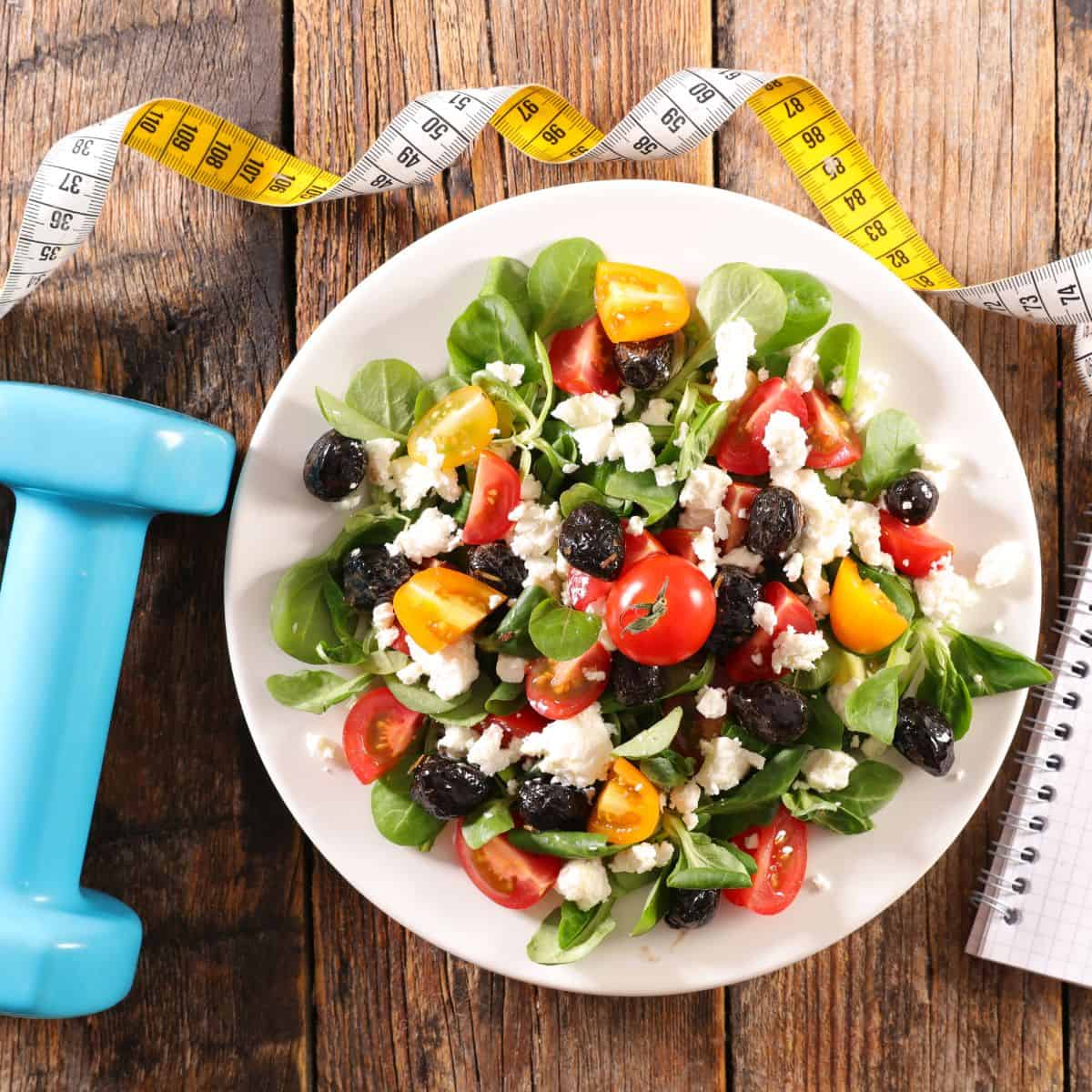
boost glp-1 with natural ways. dumbbell, salad, fabric tape measure, journal

November 15, 2025 Featured

How to Boost GLP-1 Naturally: Options Beyond Medications

GLP-1 medications have become increasingly popular for their ability to help with weight loss and blood sugar control. While medications that mimic GLP-1 are widely used, there are also natural ways to boost GLP-1 production. In this article, you will learn how GLP-1 works in the body, why it matters for you, and what natural strategies can be used to support its production and your overall health!

boost glp-1 with natural ways. dumbbell, salad, fabric tape measure, journal
[feast_advanced_jump_to]

What is GLP-1?

GLP-1 (glucagon-like peptide-1) is a hormone produced in the small intestine after eating. It plays a critical role in regulating blood sugar, appetite, and digestion.1 GLP-1 medications act by helping the body release more insulin when blood sugar is high and reduce the release of glucagon, a hormone that raises blood sugar.1-2 Both these effects help with keeping blood sugar at a more balanced level. 

GLP-1 hormone can also delay gastric emptying, allowing you to feel full longer.2 It is a hormone that supports you feeling satisfied from eating by sending signals to the hypothalamus that you have had enough to eat.1

GLP-1 receptor agonists are a class of medications that in essence, keep GLP-1 around a lot longer. The half life for these drugs (how long they last) is 5-7 days, compared to your natural GLP-1 hormone, which lasts a matter of minutes.

These drugs have been approved for the treatment of type 2 diabetes and obesity. They also may be used to reduce cardiovascular risk factors, directly and indirectly. GLP-1s can directly improve heart health by activating endothelial cells, which allows blood vessels to relax and widen.3 This enhances blood flow through the heart and improves the heart’s ability to pump blood. GLP-1 medications can also improve heart health indirectly through weight loss and reductions in HbA1c.3

Some common GLP-1 medications include Ozempic, Wegovy, Trulicity, Mounjaro, and Zepbound. GLP-1 medications have been shown to promote weight loss as well as reduce blood pressure and total cholesterol.2-3

What's Happening in the Gut with GLP-1?

GLP-1 is a hormone released by cells in the small intestine after eating. This hormone slows down stomach emptying, allowing food to be fully digested and promoting satiety.2

It signals from the gut to the brain that the stomach is full, reducing feelings of hunger and regulating appetite.2 This can help reduce overall food intake. Some people describe this as helping to reduce the “food noise” in their head, the amount of time they spend thinking about food.

GLP-1 helps with fat metabolism by reducing fat synthesis. It can also lead to “browning” of fat cells, which increases metabolic activity and helps burn fat.4 Slower digestion also helps your body absorb fats more gradually, which can keep triglyceride levels from spiking after you eat.

Healthy GLP-1 activity can support better cholesterol balance by helping lower triglycerides and LDL levels.4 GLP-1 helps manage blood sugar by signaling to the pancreas to release insulin when glucose is high. It also dials down the release of glucagon, a hormone that raises blood sugar. This helps keep blood sugar in a healthy range after meals. 

These medications also appear to work hand in hand with the gut microbiome, influencing each other in ways that support overall health.5-6 The gut microbiome produces helpful compounds called short-chain fatty acids. These support the body’s natural GLP-1 production by signaling the cells in the digestive tract that release important hormones.

Natural Alternatives to Medication

Certain foods and supplements can naturally support the same functions influenced by GLP-1 medications. These can help regulate appetite, improve fat metabolism, and maintain steady blood sugar levels. These natural options work by promoting fullness, balancing energy use, and supporting the body’s own glucose control systems. In the sections that follow, we’ll look at four evidence-based ways to encourage healthy GLP-1 activity through nutrition and lifestyle: Metabolaid, fiber, probiotics, and green tea. 

Metabolaid to Boost GLP-1

Metabolaid is a patented ingredient containing a blend of two herbal extracts, lemon verbena and hibiscus sabdariffa. This ingredient can be found in supplement brands in a soluble powder form, but it can be formulated into a wide variety of products such as capsules, tablets, soft gels, gummies, powdered drink mixes, and ready-to-drink beverages.

How does it work?

Metabolaid works by targeting hormones that regulate hunger and metabolism.7-8 Polyphenols in lemon verbena and hibiscus can also activate a key energy pathway in the body called AMPK. When AMPK is switched on, it allows the body to burn more fat, improve glucose utilization, and maintain balance in metabolism.7-8,10,13 It may also help reduce inflammation and support long-term metabolic health.

Research

Two clinical trials looked at how Metabolaid affects key hunger hormones like GLP1, ghrelin, leptin, and resistin.7 One study included 54 people, and another included 36. In both, those who took Metabolaid had higher GLP1 levels and lower leptin levels than the placebo group. Leptin tells the brain when you are full, but it often doesn’t work well in people who are overweight. Supporting leptin balance may help restore those fullness signals. Ghrelin, the hormone that makes you feel hungry, also showed a downward trend in one study, and resistin dropped in another.8 Lower levels of these hormones can mean less appetite and lower calorie intake.

One limitation is that these studies only measured hormones while fasting. That shows baseline levels but not how they change after eating, which is when they matter most for hunger control.7 More research is needed, but early results suggest Metabolaid may help support healthy hunger hormones and long-term weight balance.

Participants taking Metabolaid also reported feeling less hungry and more satisfied compared to those taking a placebo.7-8,12,14 Several studies showed reductions in body weight, BMI, and body fat, especially in the chest and torso.9 Some of these effects happened even without changes in diet or exercise, though results were stronger when combined with healthy habits.

Research also showed improvements in blood pressure and blood vessel health, along with modest benefits for blood sugar and cholesterol. Early lab studies found increases in beneficial gut bacteria such as Bifidobacterium, Faecalibacterium, and Akkermansia, plus higher short chain fatty acid production, which supports a healthy gut environment.

Who is it Best For?

Research shows that Metabolaid works best for people who are overweight or obese, but the effects were more significant in those who were overweight. Both diet-controlled and real-world studies found benefits like better appetite control, reduced body fat, and improved heart health. Healthy eating and regular exercise make the results even stronger. Metabolaid may be a good choice if you’re looking for a natural way to support a healthy weight and metabolism while maintaining a balanced diet and staying active. If you want to try Metabolaid, be sure to look for a supplement with this ingredient alone! Watch out for added ingredients and check that a third party has tested the supplement to ensure it’s safe.

Is it Safe?

Clinical studies show that people generally tolerate Metabolaid well, with no significant side effects reported. Both 300 mg and 500 mg doses showed benefits, with the higher dose having a stronger impact. Most research has lasted 60 to 90 days, so the long-term effects are still unknown. Since most participants did not have chronic health conditions, it’s also unclear how safe or effective Metabolaid is for those groups. Discuss with your healthcare provider to determine if this supplement fits your needs.

Dietary Fiber to Boost GLP-1

Dietary fiber is a type of carbohydrate that the body cannot break down during digestion. It is essential for gut health and optimal metabolic function.

Dietary fiber acts as nourishment for the healthy bacteria in your gut through a process called fermentation. As these bacteria break down fiber, they produce short-chain fatty acids (SCFAs), which play a big role in overall health. SCFAs support energy production, gut and immune function, and blood sugar balance. They even help stimulate hormones like GLP-1 that promote fullness and satiety. 15

One of the best things about fiber is how it helps you feel full and satisfied after eating. This can naturally reduce calorie intake, support weight management, and make meals more enjoyable. Fiber also helps regulate blood sugar and improve insulin sensitivity, both of which are important for long-term metabolic health. Research shows that diets high in fiber are linked to a lower risk of heart disease, type 2 diabetes, obesity, colon cancer, and inflammation.16

Both soluble and insoluble fiber are important for digestive health.17 Insoluble fiber keeps food moving smoothly through your digestive tract. Soluble fiber is fermented by gut bacteria to create those beneficial SCFAs. Soluble fiber also slows digestion, which helps keep blood sugar and energy levels steady throughout the day. It feeds your gut bacteria so they can thrive and continue supporting your overall health.

Sources of Dietary Fiber

Whole grains, fruits, vegetables, nuts, and legumes provide dietary fiber. Some foods high in soluble fiber include apples, kiwi, sweet potatoes, chia seeds, avocado, brussel sprouts, okra, carrots (especially when cooked), seaweed, and eggplant. Other great fiber sources include beans, psyllium, and whole grains like oatmeal, barley, and quinoa. Check out my post on High Fiber Foods HERE. Some tips for adding soluble fiber to your diet are:

  • Add ½ cup of beans or lentils to soups, salads, or meals each day
  • Sprinkle 1-2 tablespoons of chia seeds on yogurt, oatmeal, or smoothies
  • Enjoy a serving of kiwi or apple in smoothies, on top of yogurt, or with a spoonful of nut butter
  • Add 1 serving of baked or roasted carrots to your dinner
  • Eat seaweed, like nori or roasted kelp, for a crispy snack in between meals, or incorporate it into salads, sushi, or ramen


Foods and Fiber Sources That May Boost GLP-1

One study found that eating a whole avocado with a meal boosted GLP-1 levels compared to a control meal.18 It also helped the participants feel fuller for longer and supported blood sugar control.

How much fiber is safe? 

The recommended daily intake of fiber is 25 grams/day for women and 38 grams/day for men. The reality? Only 7% of adults meet the recommended intake every day. That’s why incorporating more fiber-rich foods into your diet can make a big difference for your health.19 

Lately, you may have heard about “fibermaxxing” - a growing trend encouraging people to maximize their fiber intake by building meals around fiber-rich foods. Dietitians support this trend because adding fiber-rich foods to your diet can naturally boost GLP-1 and improve metabolic health! Just a tip: make sure you drink plenty of water and add fiber to your diet gradually instead of all at once in order to avoid bloating or discomfort. 

"Fibermaxxing" is generally safe, but if a medical professional has advised you to limit your fiber intake, talk with your healthcare provider before making changes.

Probiotics to Boost GLP-1

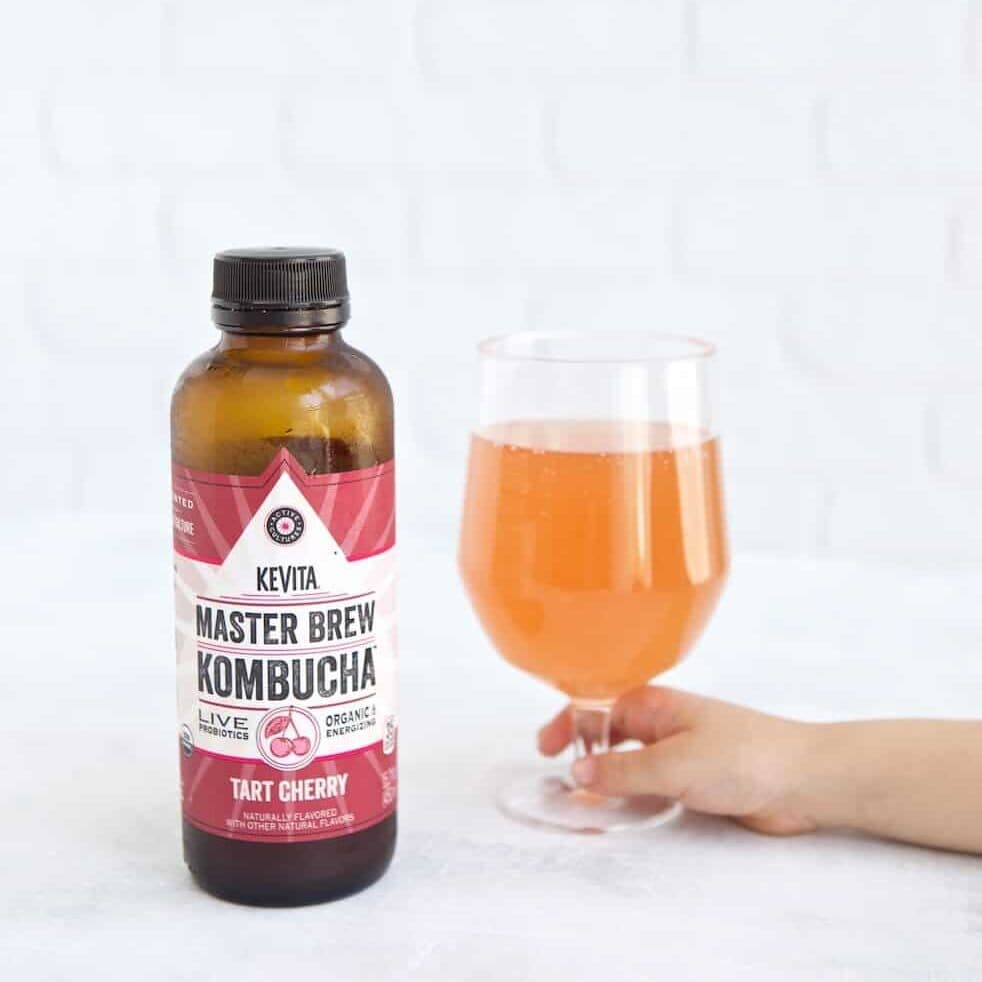
kombucha probiotics

Probiotics are the “good” bacteria in your gut that help promote a balanced microbiome. They don’t just support digestion - probiotics play a key role in natural GLP-1 production. How? They are responsible for fermenting SCFAs, which boosts GLP-1 levels. Probiotics alone aren’t a quick fix, but they are a key piece of the puzzle, creating the right conditions for natural GLP-1 production. 

Research

Animal studies back this up: one study found lactobacillus species, such as L. rhamnosus and L. plantarum, can stimulate GLP-1 production.20 Another study used a combination of probiotic strains, including Lactobacillus plantarum, Lactobacillus bulgaricu, Lactobacillus casei, Bifidobacterium infantis, Lactobacillus acidophilus, Bifidobacterium longum, Bifidobacterium breve, and found similar benefits.21

Lactobacillus and Bifidobacterium strains may be helpful in supporting natural GLP-1 production in the gut.20-21

Probiotic- Rich Foods

Probiotic-rich foods or a high-quality supplement in combination with a diet rich in soluble fiber may help your body naturally optimize GLP-1 production. 

Probiotics are in fermented or cultured foods, such as yogurt, kefir, sauerkraut, kimchi, miso, tempeh, kombucha, and some cottage cheese. If you want to start adding probiotic-rich sources to your diet, start with a small amount. Gradually increase to avoid indigestion and discomfort. 

Green Tea Extract to Boost GLP-1

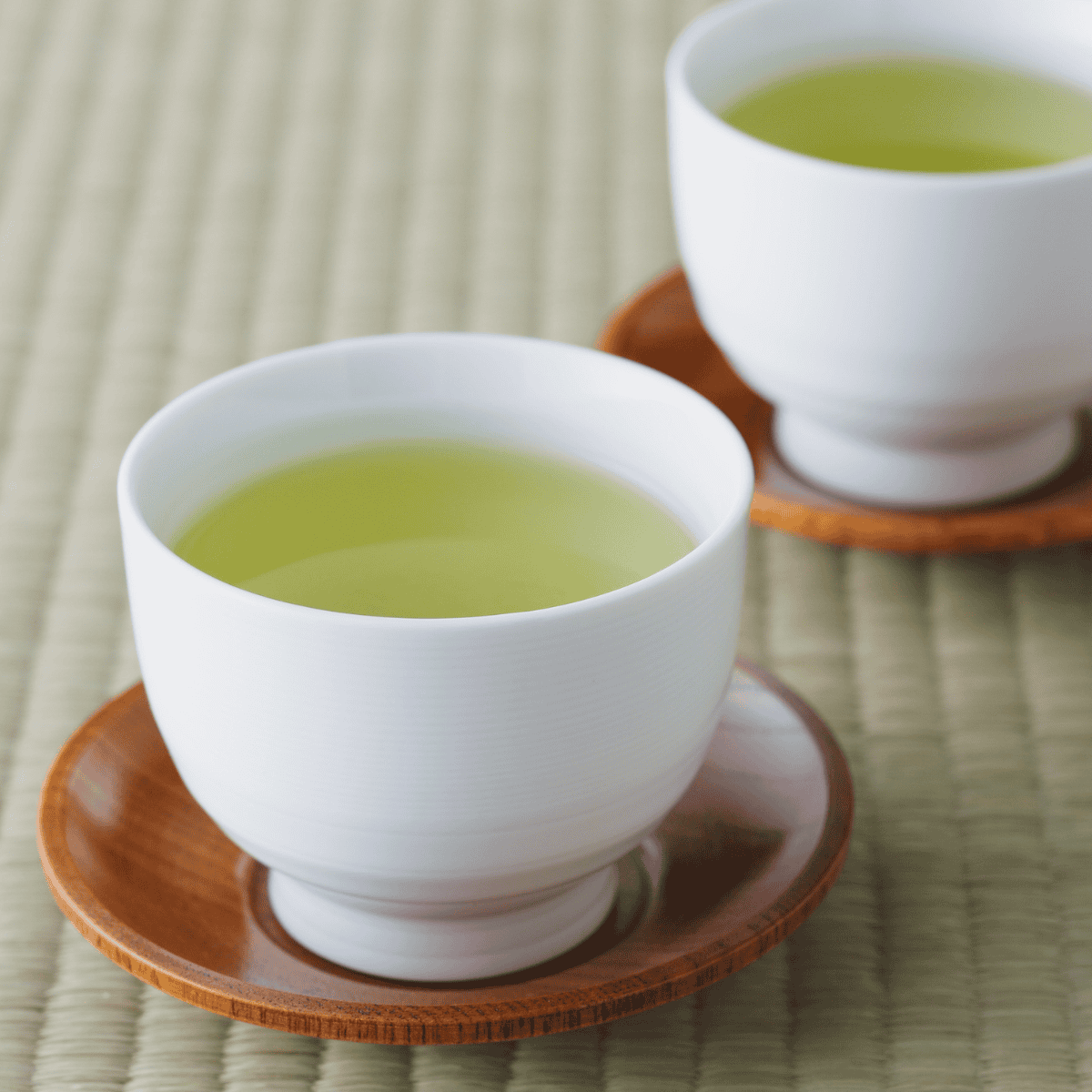
green tea benefits to boost glp-1

Green tea extract is a concentrated form of green tea that may help support natural GLP-1 production thanks to its active compounds, like catechins such as EGCG. Some studies suggest these compounds can boost GLP-1 release and improve insulin sensitivity, helping regulate appetite and blood sugar.22 Green tea catechins also have antioxidant and anti-inflammatory benefits, supporting gut health and overall metabolism.

Research

One study found that taking 1500 mg of green tea extract daily (500 mg, three times a day) for 16 weeks significantly increased GLP-1 levels compared to a placebo.22 Most research, however, uses high concentrations of catechins. A typical cup of green tea contains only 30–50 mg of EGCG. A 500 mg capsule of extract may contain 225–450 mg. This means we don’t yet know if simply drinking green tea can have the same effect. Still, adding green tea or green tea extract to your routine is an easy, natural step toward better health.

If You're Considering Taking GLP-1 Medication

Supporting GLP-1 doesn’t have to rely on medications alone. Natural options can help boost GLP-1, promote fullness, manage blood sugar, and support overall wellness. Small, consistent changes in diet and lifestyle can help you discover what works best for your body, helping you feel and look your best.

I've talked with many people considering whether or not taking a GLP-1 medication is right for them, and I've seen many people be successful on them. My advice is always the same - build a strong lifestyle foundation of quality, whole food, high fiber, strong protein, and resistance training first. Work on adding high micronutrient rich foods like green tea, polyphenol rich purple/red/blue fruits and vegetables, and fermented foods into your daily eating rhythm. Then, find a qualified practitioner who will truly work with you through the process of taking GLP-1 medications, monitoring your progress and caring about your total wellbeing.

November 7, 2025 Featured

A Gift Guide for the Well-Nourished Life

A gift guide for the well-nourished life jenna's favorite things

Whether you’re shopping for a health enthusiast, a busy mom, or someone who simply loves beautiful, thoughtful things, I’ve gathered a few of my favorite products in this gift guide that truly make life a little healthier, calmer, and more joyful. Each one is something I personally use, love, and would genuinely recommend.

[feast_advanced_jump_to]

CLEARSTEM Skincare

I love this brand because they contain no pore-clogging ingredients and truly care about healthy aging without breakouts. I have very sensitive skin, and most products that target acne or aging irritate me and cause more problems. This is the first line that doesn’t and the first time I’ve ever reordered a skincare regimen because I loved how my skin looked!
My go-to products:

  • The Clear Skin Routine
  • Skin Perfecting Duo
  • You Are Sunshine Mineral Sunscreen

Use code JENNARDN for 21% off your order.

Red Truck Orchards

Beautiful, high-quality, small-batch products perfect for gifting (or keeping for yourself). I love supporting local, family-owned farms that take pride in what they make. This one is a gem.

Rent the Runway

Fashion sustainability meets convenience. Whether you’re attending a wedding, a speaking engagement, or just want to feel great for date night, Rent the Runway is such a fun, practical way to refresh your wardrobe without overbuying.

Meal Plan Pad

I love this meal planning pad. It’s sturdy, hangs on the fridge, and has room for everything... meals, grocery lists, and notes. It’s such a simple tool that keeps me organized and helps me stay consistent with meal planning.

BLUEAIR Home Filter

For my allergies, I wanted a higher level of air filtration, and I love this one. It’s quiet, programmable, and even reports air quality in real time. It’s one of those purchases that’s both practical and surprisingly satisfying.

Large Print Zipper Bible

As my eyes have changed, I needed to graduate to a bigger print Bible. I love that this one zips closed so the pages stay neat and protected.

Caraway Glass Food Storage

These are beautiful, non-plastic food storage containers. They’re technically glass but reinforced so I’m less likely to break them (win!). They’re sturdy, safe to microwave, and come in gorgeous color options. Definitely a luxury item, but one that sparks joy every time I use them.

Roxy Gym Bag

Because honestly, can a woman have too many bags? If I ever needed another gym bag, this would be the one. Stylish, functional, and perfect for workouts or weekend trips.

Completing the Puzzle

I love doing puzzles, but I do not love storing them. This is the solution!! Completing the Puzzle is a monthly subscription that delivers cozy, screen-free, fun straight to your door. Perfect for winter nights, family time, and anyone who loves a satisfying challenge. Give a gift that lasts longer than Christmas! Use code JENNA_BRADDOCK to save $6!

What You Do Best by Bruce Bugbee

This book has had a significant impact on my life this year. It helped me discover and understand my spiritual gifts in a deeper way. A wonderful read for anyone seeking clarity and purpose in how God uniquely designed them.

That Cheese Plate Will Change Your Life by Marissa Mullen

This book is just pure fun and beautifully done. It’s perfect for the cheese lover in your life (or for you if you’ve ever stared at a cheese board and wondered where to start). The step-by-step guides make it easy to create stunning platters.

Beholding: Deepening Our Experience in God by Strahan Coleman

This book has also had a profound impact on my spiritual life and prayer practice. It invites you to slow down and notice the ways God is already present and at work. Highly recommend for anyone wanting to deepen their spiritual rhythm.

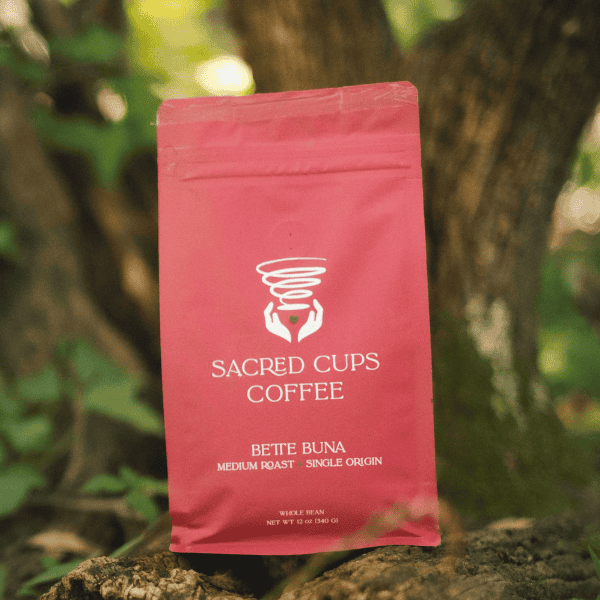
Purity Coffee

purity coffee

Clean, organic, antioxidant-rich coffee that actually supports your health instead of working against it. I can taste and feel the difference and once you try it, you may not go back! Use code JENNARDN for 20% off.

GI-MAP Test + Consult

A truly meaningful gift for the person who wants to optimize their gut health or get insight into ongoing digestive issues. This test provides a detailed look at gut microbiome balance and function. The consult helps make sense of it all.

Vuori Daily Pocket Legging

I’ve tried a lot of leggings over the years, and it’s hard to find a pair that actually stays put, looks cute, and still feels soft and functional with pockets, of course. I’d been eyeing the Vuori leggings for a long time, but they’re definitely an investment. I finally broke down and bought a pair (full disclosure: I do get a fitness professional discount), and I have to say they’re worth it.

I love these leggings. They’re soft yet don’t budge during workouts. I wasn’t sure about the drawstring at first because I thought it might get in the way, but it actually helps them stay perfectly in place. Plus, they have pockets. These are easily my favorite leggings and would make such a great special gift for someone who lives in activewear.

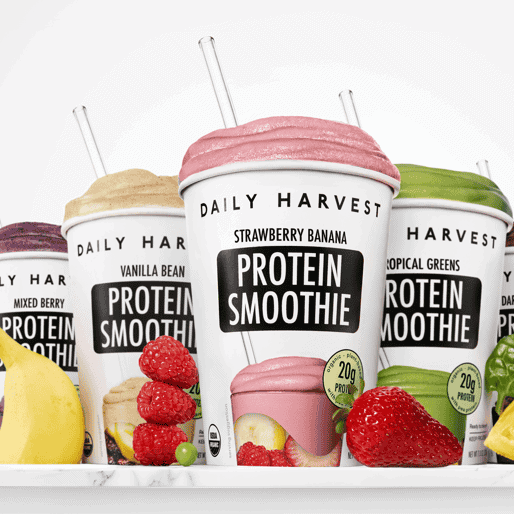
Daily Harvest Holiday Gift Box

daily harvest protein smoothie holiday gift box

The Daily Harvest Holiday Gift Box comes in a beautifully packaged, ready-to-gift box filled with a Daily Harvest gift card and a reusable BPA-free smoothie cup. When they redeem their card, they can choose the bowls, smoothies, or snacks that fit their taste and schedule delivery when it works for them. It’s a fresh, wellness-minded upgrade to the classic holiday gift basket. It's thoughtful, practical, and genuinely useful.

ButcherBox

Give the gift of really good meat. When you join ButcherBox, you’ll get to choose your favorite cut (NY Strip, Ribeye, or Filet Mignon) and they’ll add it to every box for an entire year. This promotion runs now through December 31, 2025. It’s an easy way to elevate everyday meals and a fun, practical gift for the food lovers in your life.

The best gifts are the ones that nurture health: body, mind, and spirit. I hope this list gives you ideas that inspire both joy and wellness for yourself and those you love.

Visit the blog for more inspiration to fuel for energy, trust your body, and life with purpose.

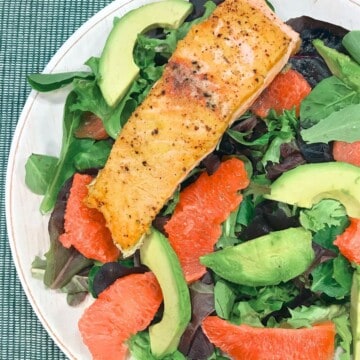
salmon on a bed of lettuce with avocado

August 30, 2025 Featured

Easy Healthy Lunch Ideas to Support Your Health Goals

An easy, healthy lunch is key to maintaining energy and focus throughout the day. If you’re looking for meals that support your health goals and taste great, here are some simple healthy lunch ideas to get you started.

[feast_advanced_jump_to]

Planning Your Lunches

Keeping things simple is the best way to begin meal planning. It’s a skill, just like anything else, and you will get better at it with time. 

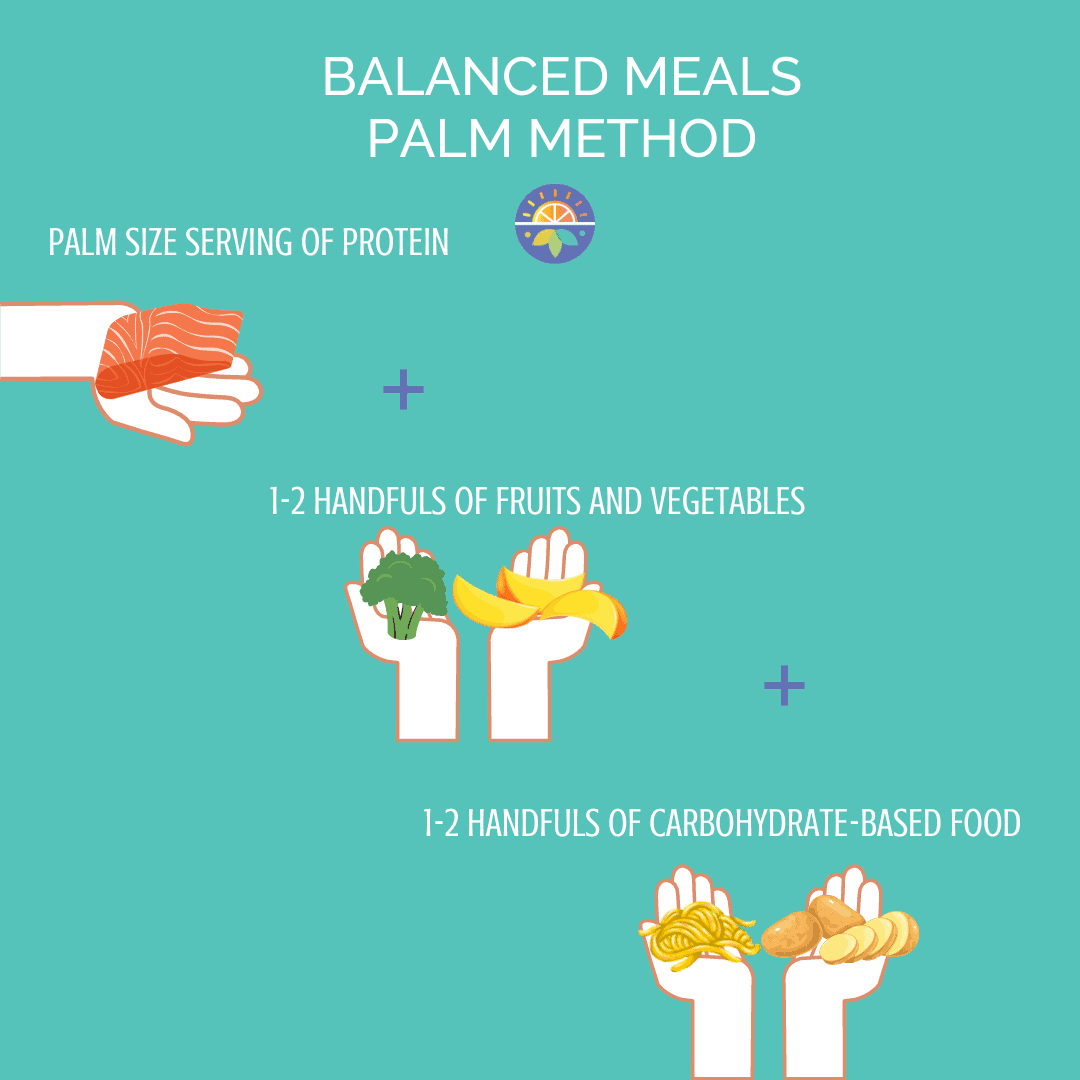
Balanced meals can look like a lot of different combinations, but a simple starting place is this formula:

balanced meals palm method: palm size serving of protein, 1-2 handfuls of fruits and vegetables, 1-2 handfuls of carbohydrate-based food

A palm size serving of protein + 1-2 handfuls of fruits and veggies + 1-2 handfuls of carbohydrate-based food.

Play with this combination to find what helps you feel and function your best. Also experiment with adding some healthy fat into your meals from olive oil, avocado, nuts, seeds, and dairy.

Lean Proteins for Lunches

Start by aiming for a palm-sized portion of lean protein. It’s a simple way to balance your plate. Here are some healthy lunch ideas to inspire you:

Tempeh: Tempeh is a good option for vegan protein that is made from soybeans. It's thick and has a meaty texture plus it’s a fermented food and contributes to optimal gut health. One slab can cost under $3 and provides 20 grams of protein. It's easy to eat and flavor however you like. I crumble mine on top of a salad with my favorite dressing. 

Rotisserie Chicken: If you have a busy schedule and you don't want to cook but need protein, these pre-cooked chickens are perfect. It is large enough that you could eat on it for a few days or feed multiple people in the house. The price is still pretty good for the quantity you get and it's extremely versatile and handy to have on hand for a variety of meal prep options. If you want to save even more money, try making your own whole chicken with this Slow Cooker Roasted Chicken. 

Hard-boiled eggs: These are a very convenient choice that you can easily eat on the go if needed.

Oikos Pro Yogurt: Dairy products are an excellent source of protein. This brand of yogurt provides 20 gram of whey protein in one easy to eat serving.

Turkey or Beef Jerky: Jerky is a perfect on the go protein for healthy lunches. It’s not the cheapest option but it sure is convenient. Look for brands with a short list of natural ingredients.

Low-Fat Cottage Cheese: I enjoy this topped on tomatoes (as seen in my Smoky Tomato recipe), in a turkey/lettuce wrap, in a smoothie, or in an egg scramble.

Seafood

Salmon: Most people aren't eating enough omega-3 rich foods, specifically seafood. Salmon is easy to cook (broiled for 7 minutes) and is meeting so many essential nutritional needs. Try this recipe for Sheet Pan Salmon Dinner. You can often find pre-seasoned and cooked salmon fillets for those who are not comfortable cooking it themselves.

Frozen Shrimp: Frozen shrimp are a lifesaver for quick meal prep and something to keep in your freezer at all times. They defrost quickly (even faster if you use a defrosting plate like this) and cook in just a couple of minutes. Seafood is a very lean protein source and has a strong correlation to a reduced risk of heart disease.

Fresh Fruit for Lunches

Aim to include 1–2 handfuls of fruits or vegetables in your lunch. Here are some easy options to try:

Apples: Apples are a very nutritious food. They provide fiber, something most people are lacking, and can help improve gut health. Enjoy apple in a delicious make ahead breakfast with these Pumpkin Apple Overnight Oats.

Mango: ¾ cup of mango provides 50% of your daily value of vitamin C, something busy kids and adults need to pay attention to for strengthening their immune system. Mango is deliciously sweet and an excellent choice for satisfying a sweet tooth. Try this Mango Beet Breakfast Smoothie for a super nutritious way to kick-start your morning. 

Oranges: Easy-to-peel mandarin oranges are portable and make a great snack between meals.

Berries: Berries are packed with nutrients that offer powerful health benefits, including anti-inflammatory support. For healthy lunch ideas, enjoy them by themselves, mixed into yogurt, in overnight oats, or in smoothies. 

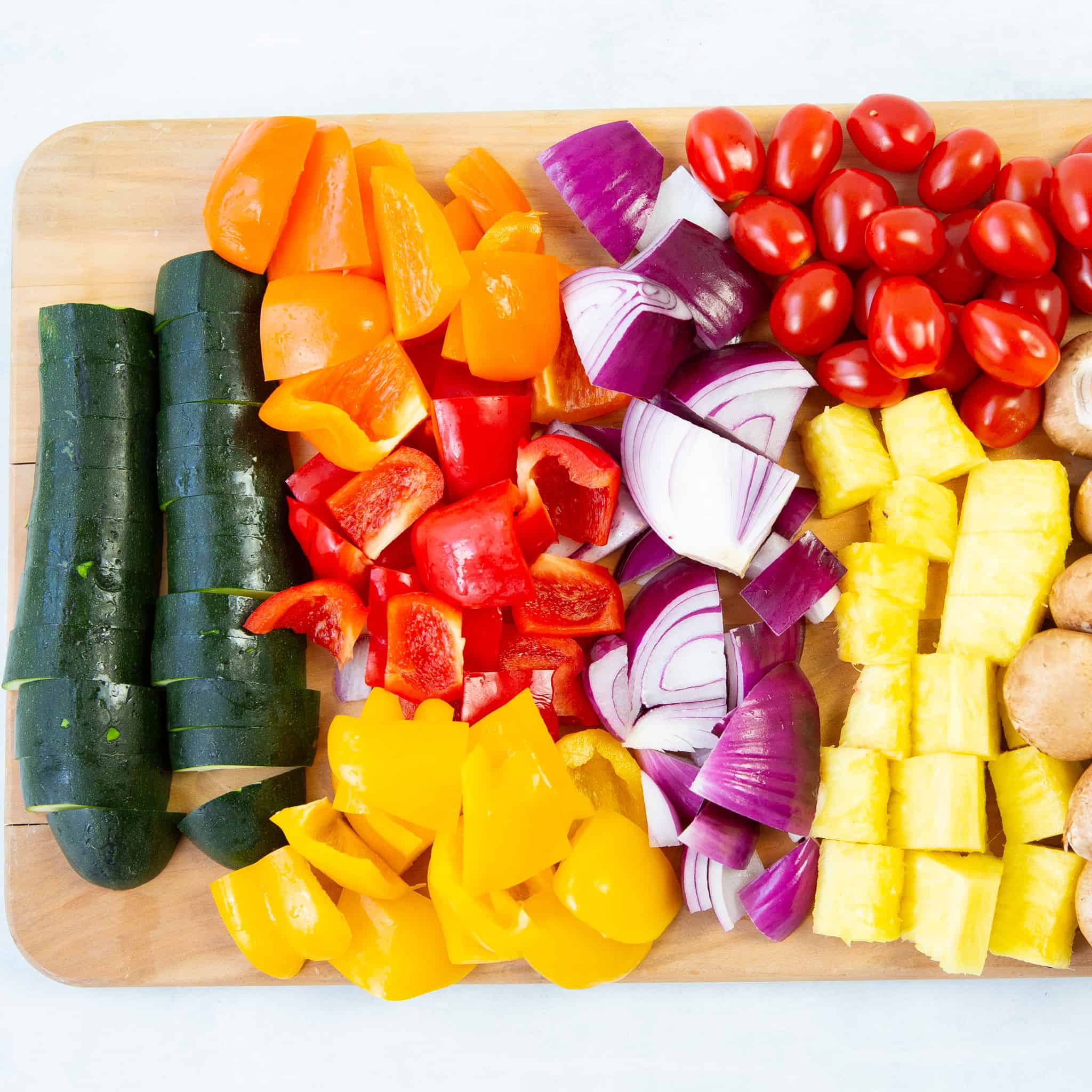
Fruits and veggies cut up and ready to make kabobs

​Veggies for Lunches

Salad: While you don't have to eat salads to have a healthy lifestyle, they are an easy way to get veggies. Premade options are a good idea to grab and go when needed.

Kale or Spinach: These leafy greens are of course great options in salads, but they can also be thrown into the blender when you make your next smoothie.

Easy to take on the go: Cherry tomatoes, sliced bell peppers, carrot sticks are all great ways to get some fresh veggies into your balanced lunch.

Healthy Fats for Lunches

Sunflower Seeds, Pistachios, Brazil Nuts: Nuts and seeds are foods high in micronutrients. Brazil nuts are nutrient powerhouses and simply eating 1-2 a day can help you meet your needs for key nutrients. Read more about 5 Reasons Pistachios Make Healthy Easy. 

Avocado: Can be used in wraps, roll ups, or in salads. Try my Avocado Salad for the yummiest way to eat more kale.

Nut Butters: Spread peanut butter or almond butter on whole grain bread, add to smoothies for some additional creaminess, or spread on a rice cake. 

Hummus: A simple way to level up a healthy lunch is with a yummy dip. It makes raw veggies more fun to eat, even for picky eaters. I love hummus and have many recipes for homemade versions on my blog. Not a hummus fan? Try this insanely good recipe for Roasted Carrot and Ranch Hummus. It might just change your mind!

Carbohydrate + Protein Combination Foods

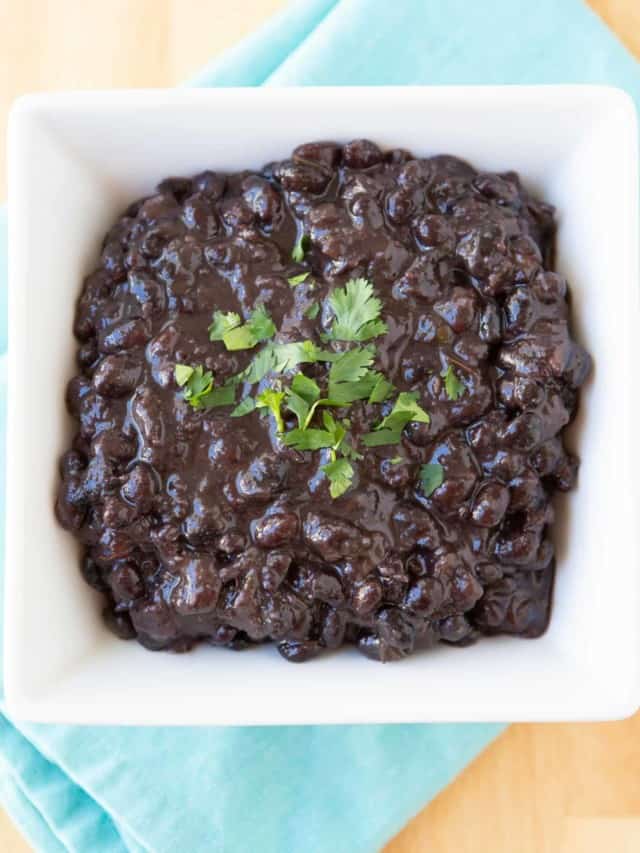
Instant Pot Black Beans in a bowl topped with cilantro

Whole Grains are a crucial component to balanced meals and you shouldn’t be afraid to eat them. When you choose whole grains you are not only getting energy to replenish what your body needs but fiber and important nutrients too. Plus, carbs bring a lot of enjoyment to meals and can help sustain energy levels. All of these ideas also provide easy protein so you get more bang for your buck. 

Brown Rice, Lentils, Quinoa: These are great examples of delicious carbohydrates that also contain fiber and protein. They're great bases for bowls where you can mix and match based on your preferences.  Whole-grain bread like Dave's Killer Bread is a good option for sandwiches.

Beans: Black beans are another good example of carbohydrates + protein. They can be served alone or in a grain bowl.

Easy Lunch Ideas Put Together

So, let's put some of these great healthy lunch ideas together for a midday meal using the Balanced Meals Palm Method! The options are limitless, but here are a few ideas to get you started:

  • A quinoa bowl made with palm sized serving of rotisserie chicken, 1 handful of spinach, mixed with 1 palm sized serving of quinoa drizzled with Jalapeno Caesar Dressing with a side of berries.
  • Instead of fast food, pack a nutritious lunch of tuna salad, carrot sticks, whole grain crackers, and a piece of fruit such as apple.
  • Smoked salmon on a bed of lettuce with a few tortilla chips and strawberries.
  • Black beans, chicken breast, side salad, and kiwi.

What About the Chips?

If you're someone who needs a little crunch with their lunches, I do have some fun foods that will meet that need but will also provide a little more nutrition that regular chips. Check out my Chips with Benefits Amazon List here for my current picks.  

You get the idea! Mix and match the items you like based on your individual needs. Sometimes we spend a lot of time overcomplicating lunch. Keep it simple and experiment with foods to see how they make you feel. Find healthy dinner ideas here to keep choosing nutritious foods all day long!  

jump rope HIIT workout, jump rope on exercise mat next to two dumbbells

July 25, 2025 Fitness

Jump Rope HIIT Workout Quick 10 Minute Routine

Travel can leave your body feeling stiff, tired, and out of rhythm. Before jumping back into intense training, try this quick, efficient jump rope HIIT workout to boost circulation, re-energize your body, and shake off post-travel fatigue. Easily adjust this routine for any fitness level. So, it's a great option whether you’re easing back in or craving a high-intensity sweat.

jump rope on gym floor

Be sure to check out my post on the Best HIIT Shoes for Women to help prevent injury and receive the proper support.

High-Intensity Interval Training

HIIT training is a form of interval training. It is where the heart rate increases anywhere from 85-100% of your maximal heart rate for a certain period of time, with a recovery period where your heart rate decreases 20-30 beats from your heart rate during the working interval. There is a plethora of modalities that can be used for this type of training. It is not limited to just cardio-type training.

HIIT can be performed with running, cycling, rowing, bodyweight exercises, boxing, sled training, hill sprinting, swimming, plyometrics, and even walking the dog. This flexibility allows you to adapt HIIT workouts to your personal goals, fitness level, and available equipment. Keep reading for the many benefits of HIIT workouts.

Health Benefits of High Intensity Interval Training

Both aerobic capacity and strength can improve with this form of training. HIIT workouts are also known to support weight loss by increasing calorie burn in a shorter amount of time and boosting metabolic demand even after the workout is complete. On average, a HIIT workout is 30 minutes in length. This is because the athlete cannot push passed a certain amount of time with the same level intensity needed to complete the workout. This type of workout is safe to do on your own. It is also very effective when translating over to sport specificity.

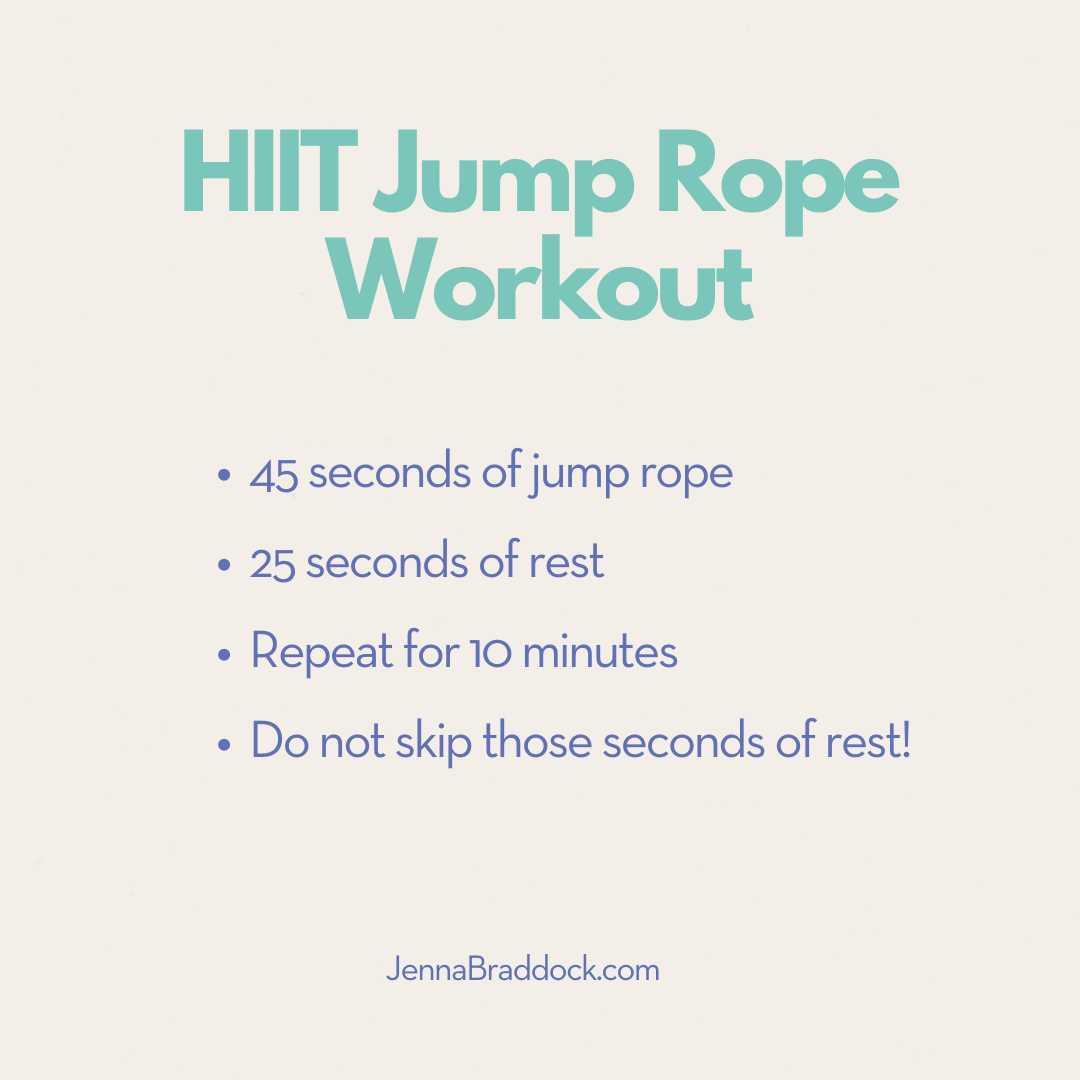
HIIT Jump Rope Workout

Watch this video where I break down these super simple jump rope intervals. 

Start with 45 seconds of jump rope on the balls of your feet at your maximum effort staying light, controlled, and engaged the entire time. Follow with a 25 second rest period. Repeat for 10 minutes. Don't skip those seconds of rest! Those short recovery periods are necessary to HIIT routines. 

This fitness routine is fast, effective, and requires minimal space or equipment (you can even “ghost rope” if needed). Research shows that just one minute of high-intensity effort can deliver similar benefits to two minutes at moderate intensity. So this is a great way to get the most out of your time and definitely get your heart rate up. Jump roping with intense effort followed by periods of rest can benefit cardiovascular health by increasing the heart's efficiency in pumping blood and oxygen throughout the body. This routine is done with just a basic jump, but keep reading for how you could take this full-body workout to the next level.

hiit jump rope workout

Double-Unders

When I started at Cross Fit St. Augustine several years ago and jump roping was part of our routines, I thought it was so dumb. Why are we jump roping? We're adults! It's much harder than I remember, too! I certainly didn't like it and definitely had a terrible attitude. Then I saw people doing double unders and I thought, "Wow, that's especially dumb". I didn't care at all if I ever did one in my whole life. 

What has really surprised me, however, is that with regular training and a lot of time, I not only can throw in some dubs but I actually enjoy the challenge of them too! It's taken me many years to get to a place where I can throw double-unders in... not every single time, but in a pattern that works for me! 

Double-unders are not just a cardio workout, or a strength workout- they are also a BRAIN workout! This is the cognitive side of getting our brain and our body to work together, a process that takes time just like building strength. Jump rope is a really easy way to begin to learn that process.  

While it's great to do fitness that is mindless, it's also important to do fitness that DOES make us think. It’s a wholistic approach that packs a big punch of positive impact. So, you can definitely increase the challenge of this jump rope routine by adding in some double-unders in addition to your regular bounce. 

Weighted Jump Rope

If you're still looking for an additional challenge in your high intensity workouts, another variation is to perform this routine with a weighted jump rope. Weighted jump ropes like this one are typically between 1-6 pounds. Obviously, it will challenge the body even more to swing these heavier weights around with proper form, challenging the upper body and lower body alike. There is a learning curve to these weighted ropes, so give yourself plenty of time to warm up to them.

Before engaging in new exercises, seek guidance from your healthcare provider to determine what physical activity is safe and suitable for you. For bodyweight exercises, check out my post on the Benefits of Squats for Women.

thrive 90 wellness approach for women 40 and up

May 19, 2025 Featured

Thrive 90: A Wellness Approach for Women 40 and up

Thrive 90 is a 90-day coaching program designed to support women 40 and up as they prepare for the transition into menopause with confidence, vitality, and strength. This holistic program blends expert nutrition, fitness, and wellness coaching to help you thrive physically, emotionally, and mentally during this important life stage.

[feast_advanced_jump_to]
Thrive 90: Wellness Approach for women 40 and up
Apply Here

Why Thrive 90?

Your 40s+ is a pivotal time to embrace the changes your body is going through. With Thrive 90, you’ll not only prepare for menopause—you’ll thrive in the process. This is your chance to reclaim your health, build lasting habits, and enter this next chapter with strength, energy, and confidence.

With personalized coaching, a comprehensive health plan, and continuous support, Thrive 90 helps you navigate perimenopause and menopause with ease and grace. It’s more than just a program—it’s a roadmap to becoming the best, healthiest version of yourself as you step into this transformative phase of life.

What’s Included in Your Thrive 90 Package:

  1. Initial 1.25-Hour Virtual Consultation
    Kickstart your journey with a full health assessment with Jenna, where you’ll discuss your health history, current lifestyle, and goals. This session sets the foundation for a tailored wellness plan just for you.
  2. 4 Biweekly 60-Minute Coaching Sessions
    Connect with Jenna every two weeks for one-on-one coaching sessions. These personalized check-ins will help keep you accountable, track your progress, and adjust your plan as you move forward.
  3. The Make Healthy Easy Approach Digital Course
    Gain lifetime access to this comprehensive digital course that simplifies healthy living. From meal prepping to stress management techniques, it’s designed to make healthy habits easy and sustainable.
  4. Personalized Nutrition & Supplement Recommendations
    After each coaching session, receive customized nutrition and supplement guidance to meet your specific health needs. This ensures you’re nourishing your body for optimal hormonal balance.
  5. Journal Tools & Monitoring Support
    Track your progress with optional journaling tools and monitoring to stay on top of your physical, emotional, and mental well-being throughout the program.
  6. Comprehensive Lab Panel
    Get an in-depth lab panel looking at key biomarkers for women’s health and menopause. These results provide insight into your hormonal status and guide further personalized recommendations.
  7. Fitness Support & Rx
    Receive tailored fitness recommendations to enhance strength, improve bone density, and increase energy. Your fitness plan is designed to meet your body’s needs during this transformative phase.
  8. Behavior Change Coaching
    Build sustainable habits with coaching focused on behavior change, ensuring the new healthy routines stick long after the program ends.
  9. Access to Secure Chat & Email Communication
    Stay connected with Jenna between sessions for additional support, questions, or encouragement. Get the help you need whenever you need it.
  10. Grocery Shop with Confidence Online Course
    Learn to navigate the grocery store like a pro with this online course. You’ll discover how to choose nutrient-dense foods that support your hormone health and overall well-being.
Apply Here

15% Discount on Supplements

As part of your program, you’ll enjoy a 15% discount on high-quality supplements recommended by Jenna to support your health goals.

Price

This package includes lab work, 3 programs and 5 virtual sessions. (See detailed list above)

Cost: $1750


View our other online nutrition courses HERE.

HIIT shoes for women

February 10, 2025 Fitness

Best HIIT Shoes for Women: Top Picks From a CPT

When it comes to choosing a good workout shoe, there are many important factors to consider. As a certified personal trainer, here are my picks for the best HIIT shoes for women.

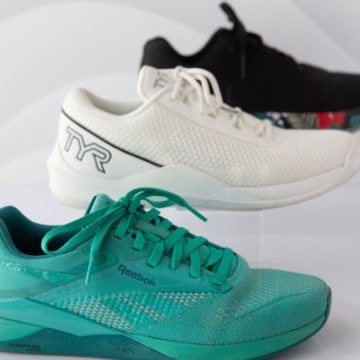
HIIT Shoes for women: TYR, Reebok, and NOBULL

You might also like my posts Beginner's Guide to BCAA Supplements and the Best Protein Powders for Women.

[feast_advanced_jump_to]

Injury Prevention

Making a good choice when buying workout shoes is very important. You can help prevent injury during high-intensity workouts or when heavy lifting at the gym by choosing a good shoe. The right shoes will provide great support, the right amount of cushion, and have a supportive feel to help protect your feet and ankles. Good shoes help evenly distribute your weight throughout the foot to reduce stress on the joints and minimize your chances of injury. Choosing a shoe with enough support for your chosen activity is important, as well as making sure it has the proper fit. Here are my top picks for HIIT shoes for women:

Reebok Nanos

In my opinion, the best cross training shoes are the Reebok Nanos. The current model is the Reebok Nano X, though my favorite so far has been the Reebok Nano 2.0. This was the first shoe I converted to when I started doing Cross Fit and needed a hybrid shoe for doing both weight training AND metabolic conditioning or cardio. It has been my favorite shoe for 4 years now. What I love is that it has flat soles which is important for weight lifting- you don't want to be in a running shoe that's lifting your heels up. The Reebok Nanos helped with my movements, particularly squats and lunges. In addition, there's still some cushioning in there for times when running or jumping are part of the workout. That extra support serves as some shock absorption in there. These are the most comfortable and best cross-training shoes that I've found.

Toe Box

They used to have a wide toe box so your feet didn't feel cramped. Over the years, the shoe has gotten more narrow with each new version. So, that's something to look out for. I did hear that they've done a throwback to the Nano 2.0 which has a wider toe box, and if this is true I'd go back to this! I have a narrow foot but I want more room for my toes to have that wider distribution for the foot and not have that cramping of the toes that we've learned is not good for them.

Jenna doing squats in HIIT shoes for women

Research

In one study, they found "that the shape of the toe box in footwear can significantly influence the amount of pressure applied to the forefoot." The findings of this study confirm that that when you look for a more rounded toed shoe you’re going to get less pressure on the toes. That gives you the ability to spread your toes out. That’s ideally what we are looking for in a HIIT shoe. Both the Nano and TYR have a more rounded toe box and that’s one of the reason I find them to be so comfortable. (PMID: 23886242)

In addition to strength training and high-impact activities, Reebok Nano is my shoe of choice to throw on to go for a walk 1-2 x a week, too. They have such a comfortable fit that I have worn them to Disney and walked all day in them. I love the fun colors and if I don't like this round's colors, the next round will typically have fun colors again. I have the all-teal ones right now that I just love and get tons of compliments on. The shoe life is about 6 months if you wear them a lot, which I typically wear many days a week. So, I find that I need to buy them twice a year for the amount I wear them. Anytime my ankles or knees start to hurt a little bit I know it's time to get new shoes and that fixes the problem. 

Cons

The Reebok Nano does stretch out. It gets harder and harder to get your laces tight enough with lots of wear especially during high-intensity interval training. They are also a little pricey, but they also go on sale quite a bit. If you wait for a sale, you can usually get them for around $90. In my many years of experience with these shoes, I'd say they're worth it.

NOBULL Trainers

The original NOBULL was a flat shoe with only a slight raised heel. It was just not very comfortable. They've now come out with this nice training hybrid shoe which still has flat soles, a decent amount of room in the toes, and has extra cushion.

Different than Reebok Nano, this material is stiff. It doesn't stretch out so they don't lose their shape. That structure is very nice for a lot of the cardio movements in HIIT workouts like burpees or jump rope, and for lateral movements like side shuffles because they provide better stability. They're also nice for biking because you get a stiff foot that serves as a stable base for the pedal. Overall, they're a great shoe, very stylish, and I always get compliments on them. I'll definitely add these to my rotation of shoes. Also, I signed up with my email address to score $50 off of my first purchase, so make sure you look for that discount option on their website!

Cons

When I first tried the NOBULL shoes, I didn't like them. I think I'm in between sizes where a 9.5 is too roomy but a size 9 is a little snug. However, the more I wear them, the more I like them. If you're looking for a pair of the best running shoes, these aren't it. But running errands all day is very comfortable in them! When it comes to the toe box, the NOBULL Impact trainers have a wide toe box lower where the toe bones are, but the tip is more pointed like what you’d typically see in a running shoe. So it’s more rounded, but not as round as the other two.

TYR

(These shoes were gifted to me for the purpose of this review.)The TYR shoe was new to me, but it's a very trusted shoe brand. From the moment I put them on my feet I loved them. They're super comfortable and the toe box is a great width-  super roomy. It's in between the NOBULL and Rebook Nano structure wise. There is some structure to them, but they're not as stiff as the NOBULL trainers. It's a nice in between. They're great for everyday wear. I've worn these all day for running errands and they're super comfortable. For working out, they’re also great! They’re breathable and very light, making them a great option for cool shoes in the summertime. 

Cons

I went for a fitness walk in them and they weren't my favorite for that because their soles are fairly stiff.

Overall, I’ve barbell lifted in all of these shoes and they’re all great for this. For instance, all of these shoes have the structure for rope climbs, but the NOBULL trainers are probably the strongest with the best material for the rope. The Reebok Nano and TYR shoes passed the Disney test and my feet were happy after an entire day of walking. What are your favorite HIIT shoes for women? Find me on Instagram and let me know!

how to tell if Pineapple chunks have gone bad

January 26, 2025 Healthy Snacks

How to Tell if Pineapple Chunks Have Gone Bad

Fresh pineapple is a delicious tropical treat, but no one wants to bite into bad pineapple. Here are the signs of spoilage to watch for in a whole pineapple and pineapple pieces.

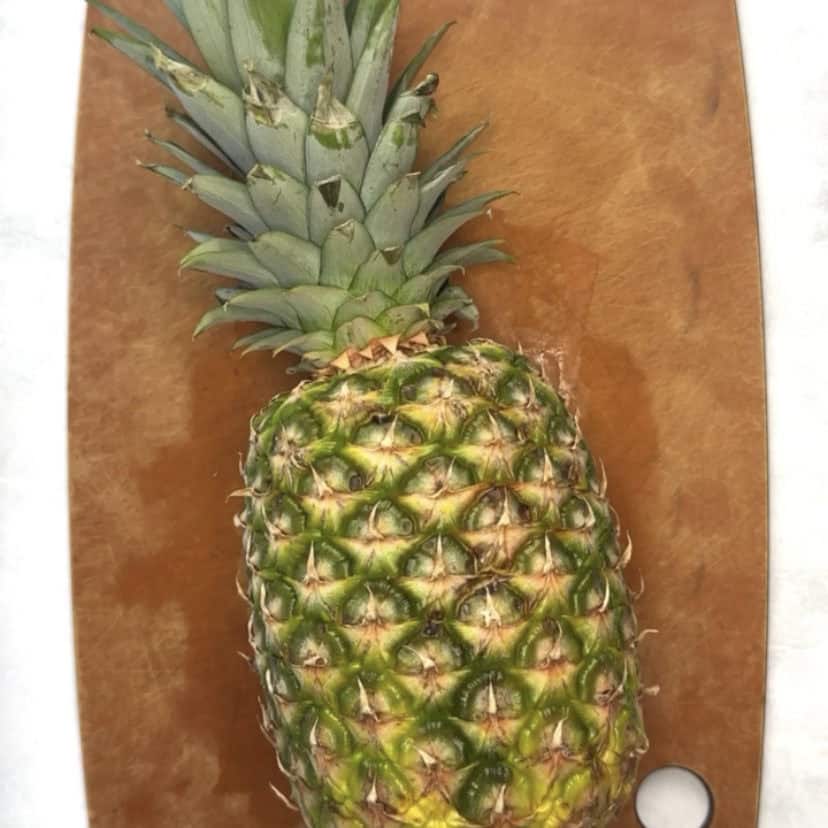
pineapple on a cutting board with no signs of spoilage

For easy ways to cook with pineapple, try my Fruit and Veggie Kabobs made with chopped veggies and fruit chunks and Sheet Pan Salmon that uses pre-cut spears.

Spoilage Signs

Here's what to look for in this tropical fruit:

  • Smell- Turn the fresh pineapple upside down and smell the bottom of the pineapple. A ripe pineapple should smell sweet and fruity. An underripe pineapple won't have much of a smell at all. An overripe pineapple might smell like vinegar, sour, or just plain bad. 
  • Squeeze it- Sometimes you can tell by squeezing an uncut pineapple. A ripe one should feel firm with a slight give. If it has very soft spots in some areas, that's a sign it may have spoiled.
  • Color- If there are brown spots on your pineapple chunks or any signs of mold, discard it. Anything grayish or brownish in color is a bad sign. The spiky skin of the pineapple should have a yellow hue. If it is green, that's another bad sign.
  • Taste- The last thing to check for is taste because you definitely don't want to taste it if it has any of those above signs. If the pineapple tastes sour or just "off", don't keep eating it.

Best Way to Store Pineapple Chunks

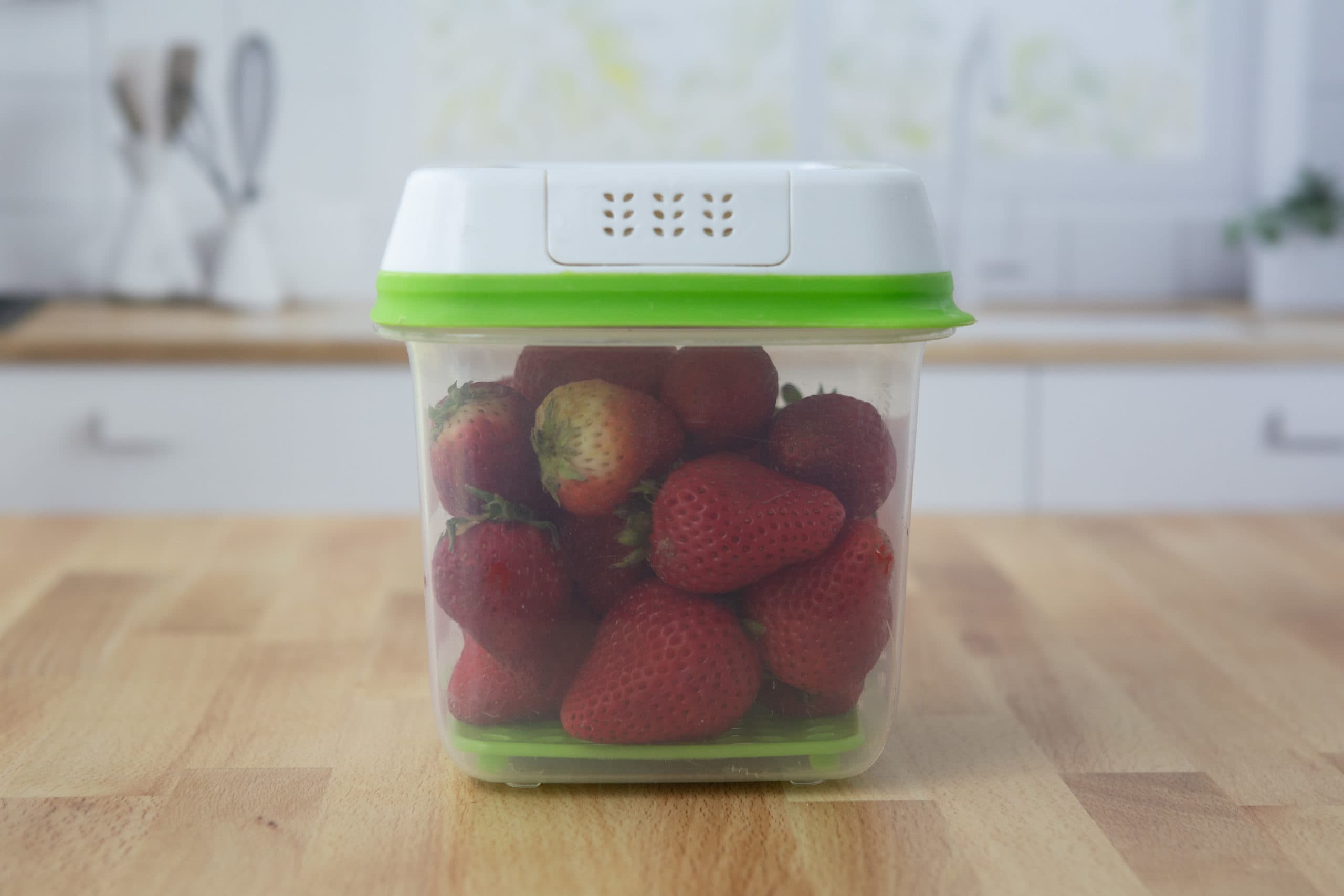
Fresh cut pineapple should be immediately refrigerated in an airtight container and could last up to four days. Fresh uncut pineapple should be stored at room temperature in a cool dry place and should be eaten within just a few days of purchasing from the grocery store.

How to Freeze Pineapple Chunks

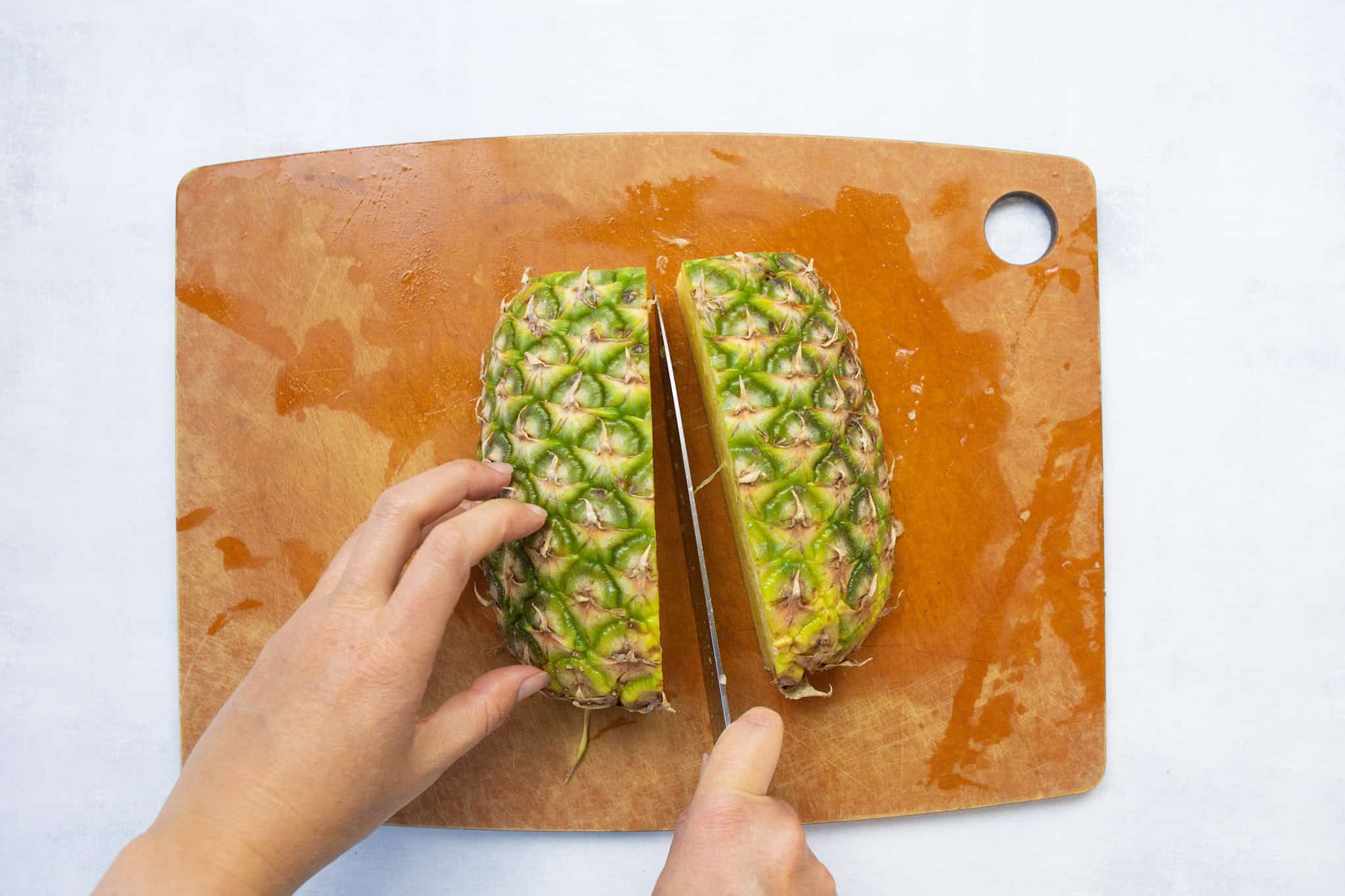
slicing pineapple to store in the freezer to prevent spoilage

If you have too much pineapple, a great way to use the rest of the fruit is by freezing it to use later in smoothies in just a few simple steps. First you'll want to cut the pineapple into 1 inch pieces. Here is a tutorial to help. Line a small baking sheet with parchment paper and spread the pineapple chunks in an even layer. Flash freeze for 30 minutes or so, and then you can transfer the pieces to a reusable freezer bag or resealable plastic bag and return to the freezer. I like using these reusable stasher bags.

Health Benefits

One cup of pineapple chunks contain about ⅓ of your recommended daily Vitamin C, which helps support your immune system. Fruits and vegetables are also great sources of fiber, which helps keep you full and satisfied and aids in digestion. 

Pineapple also contains a digestive enzyme called bromelain. It is most concentrated in the core of the pineapple. Bromelain helps aid in the digestion of food. Scientists are particularly interested in bromelain for its anti-viral and anti-inflammatory properties. The latest research is around bromelain and its potential benefits to patients with Covid.

Pineapple is a wonderful naturally sweet food. If you're craving something sweet, pineapple can be a great food to enjoy to satisfy your sweet tooth and still get those vitamins and fiber benefits.

Bottom Line

The perfect pineapple should have a sweet aroma, be mostly firm when squeezed with just a little give, and have that classic sweet taste.

BCAA

January 19, 2025 Fitness

Beginner's Guide to BCAA Supplements Including When to Take

Branched-chain amino acids, or BCAAs, have gained popularity in recent years as a supplement for athletes. They promise improvements in muscle growth and repair, reduced muscle soreness, decreased exercise fatigue, improved exercise performance, and muscle preservation. Let's take a closer look at BCAAs to better determine if they might be helpful for you.

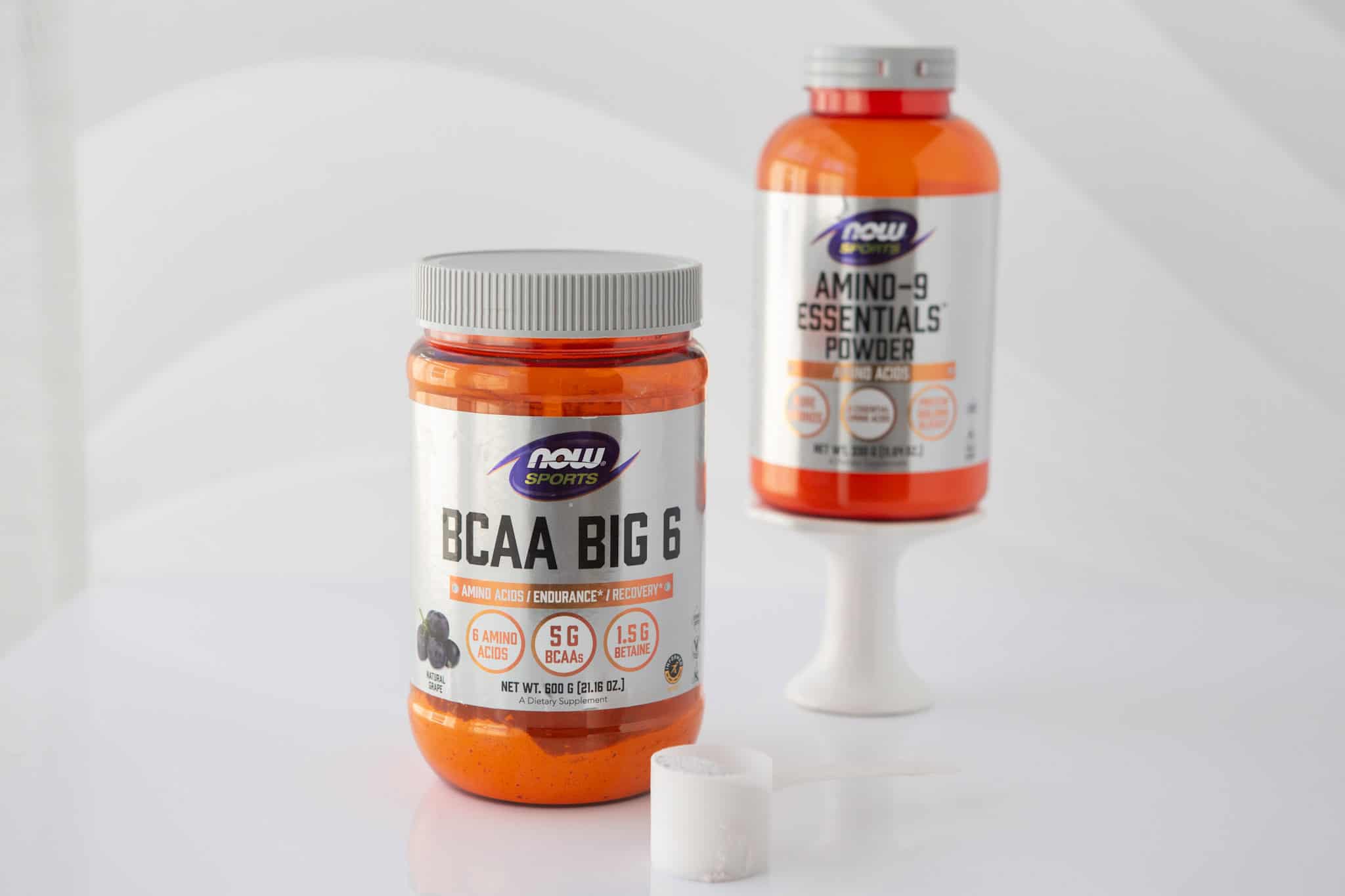
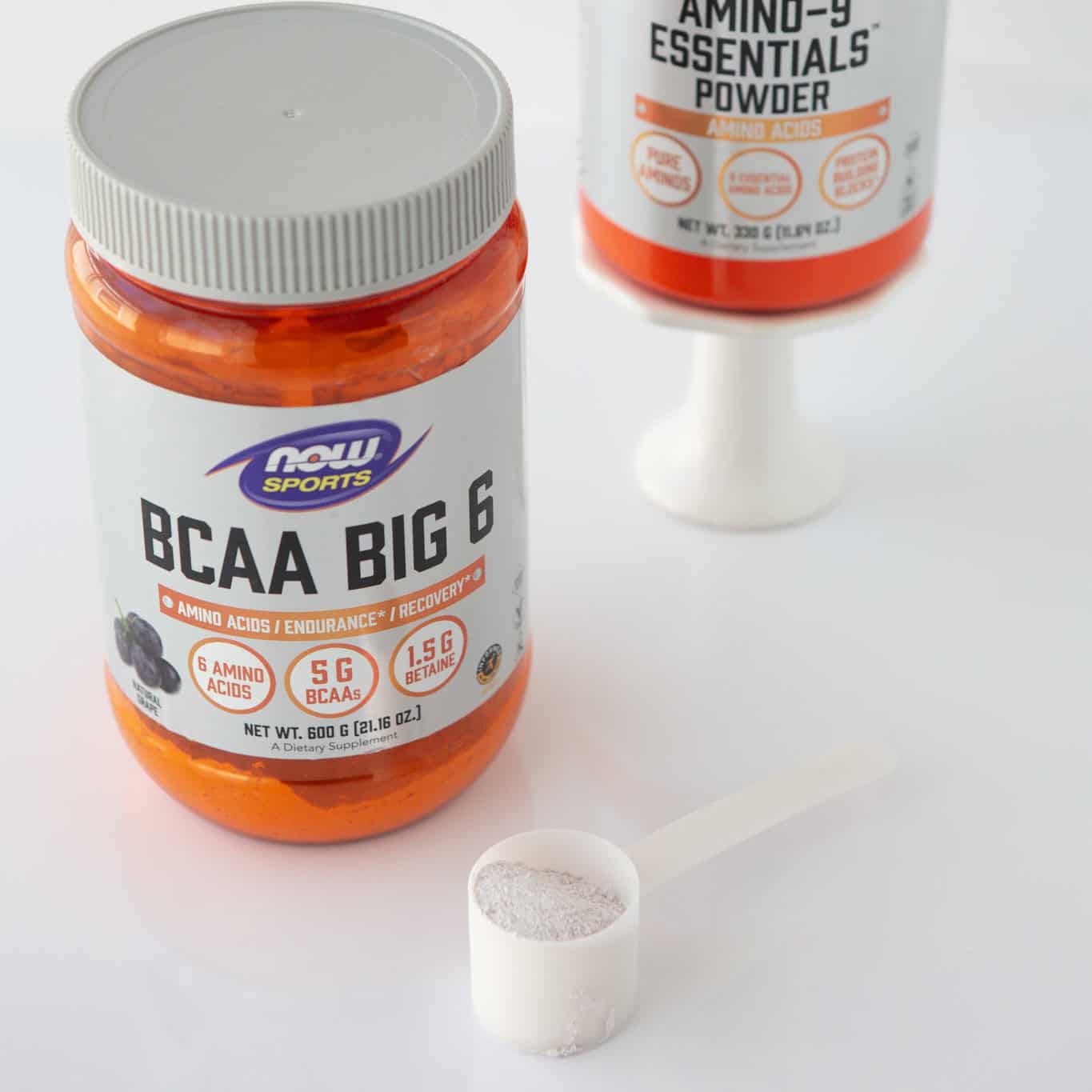
BCAA Big 6 NOW Sports and Amino-9 Essentials Powder NOW Sports

What are Amino Acids?

Amino acids have been coined as the building blocks of protein. You have probably heard about protein, since it is one of the macronutrients we consume in our food every day. Or maybe you take protein powder or protein shakes to help supplement your diet. Either way, the protein found in our food and these protein supplements are all made out of amino acids. 

Think about it like this: amino acids are like individual chains that link together to form a chain of protein.

Protein found from animal sources such as meat/poultry, dairy, eggs, and fish, and protein found in quinoa and soy products such as tofu, are considered complete proteins. This means they contain all 9 essential amino acids that our body must obtain from food to function. Other plant-based foods also contain protein, but they are incomplete, since not all 9 amino acids are present. 

The 9 essential amino acids are: histidine, methionine, phenylalanine, threonine, tryptophan, lysine, and the branch chain amino acids - isoleucine, leucine, and valine.

Different plant foods such as vegetables, grains, nuts/seeds, and legumes contain different mixes of amino acids. Therefore, consuming a variety of different plant foods can still provide all the amino acids your body needs. 

Protein is important for muscle growth and tissue repair. It's also important in bone health, skin health, immune system function, satiety and appetite control, and our metabolic health. As you can tell, protein is important for a variety of reasons. In particular, amino acids serve a particular purpose in performance, athletics and perhaps even body composition, which we will explore in this post.

Amino Acids in Athletes

Amino acids and protein serve an important role in the training and recovery process after athletic performance. This is true for professional athletes and those who simply enjoy physical fitness in their free time.

After exercise, there is a breakdown of muscle protein due to the stress put on them by the activity. Ultimately, this process then leads to muscle remodeling which strengthens the muscles stronger than they were before.

Consuming adequate protein for your training intensity is important in supporting the muscle repair process. Now that we know about the role of protein, what about BCAAs specifically?

What are Branched Chain Amino Acids?

BCAA products from NOW Sports

Branched chain amino acids refer to 3 different amino acids that are similar in structure, hence the term “branched”. These include leucine, isoleucine, and valine, which are all three considered essential, because our body cannot make them.

So, what makes these amino acids so special? Because of their structure, these amino acids have been found to be metabolized most predominantly in the skeletal muscle. This has prompted additional research to explore potential benefits BCAAs have on the muscles, particularly in the context of sports and training.1 

Building Muscle

BCAAs have shown to play a role in stimulating muscle protein synthesis, particularly the amino acid Leucine.2,3 Muscle protein synthesis is the term used to describe the process of our muscles rebuilding in response to a training session. Research has demonstrated leucine’s ability to activate mTORC1, a key protein involved in the stimulation of muscle protein synthesis. 2,3

Although BCAA supplementation can stimulate muscle growth, BCAAs alone cannot support muscle growth in the absence of high-quality complete protein.2,3 We know that BCAAs stimulate muscle protein synthesis after a meal for up to 2 hours, but consuming BCAAs with a complete protein source is going to sustain the process for up to 24 hours.

It's still important, therefore, to consume sources of complete protein (containing all essential amino acids) after exercise to build our muscles. This could be through food sources or a complete protein supplement such as whey protein.

Does this mean you should mix BCAA with a protein supplement for more muscle gain? The answer is yes and no.

Right now, according to the research, consuming adequate amounts of protein results in greater and more sustained muscle protein synthesis than BCAA. Also, adding BCAA in addition to protein does not offer additional muscle building effects.2,3  But this doesn’t mean BCAAs don’t offer other benefits.

Leucine Threshold

Another factor to consider in post exercise/training protein is the amount of leucine it contains. The leucine trigger hypothesis states that a threshold dose of 2-3 g of leucine specifically is ideal for maximizing muscle protein synthesis (MPS).

In a recent review of the literature, it seems that this is more important for older adults who can become more resistant to MPS.13

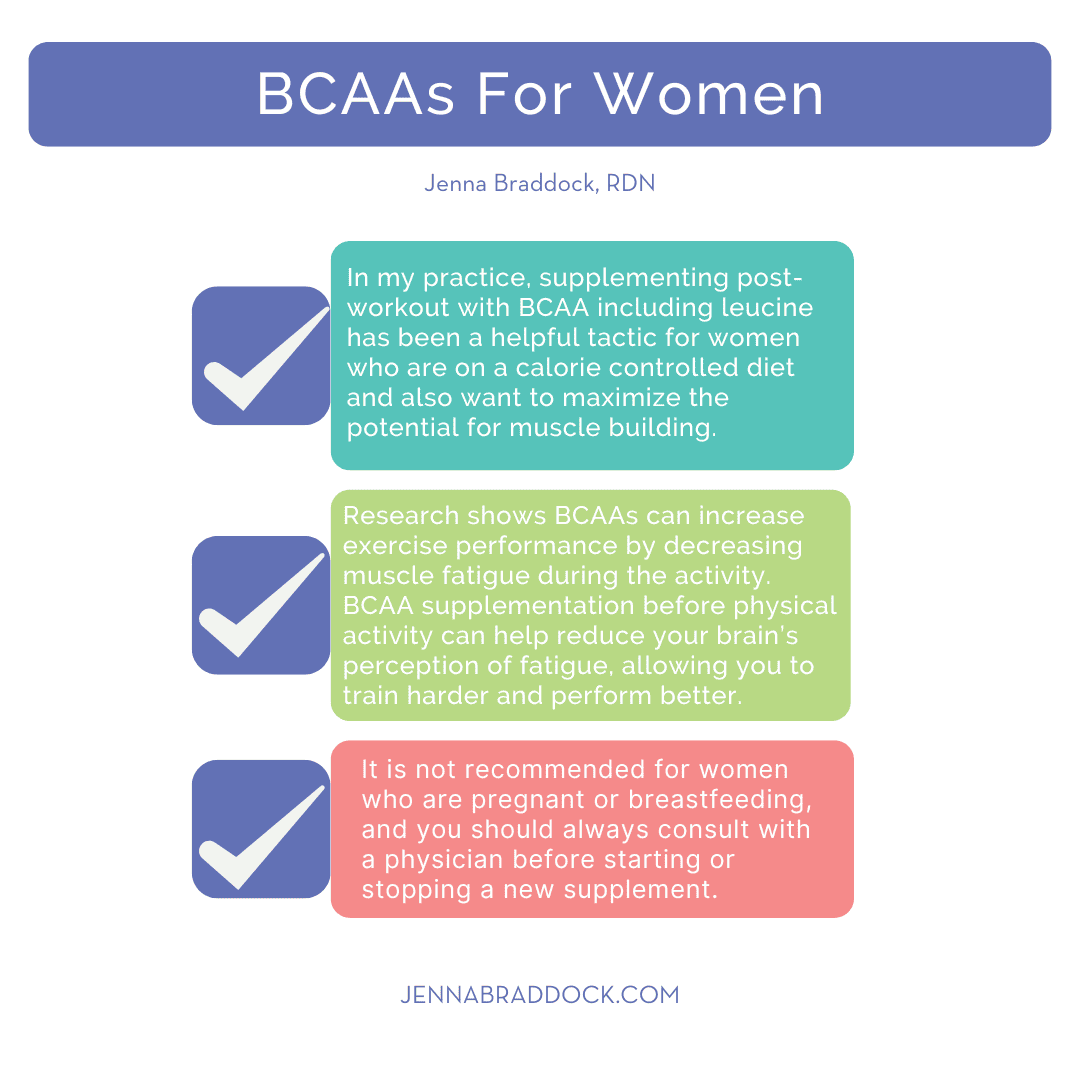
In my practice, supplementing post-workout with BCAA including leucine has been a helpful tactic for women who are on a calorie controlled diet and also want to maximize the potential for muscle building.

Muscle Soreness

BCAAs have gained attention for their potential ability to reduce muscle soreness after a training session. After you train, it is common to experience delayed onset muscle soreness, also known as DOMS.

DOMS is the body’s response to the normal microtears that occur in the muscle. Research shows that BCAAs may reduce muscle soreness in resistance trained athletes. The effects in endurance trained athletes are unclear.4,5 

This may be due to BCAAs ability to reduce creatine kinase (CK) levels in the blood after training, which is an indicator of the extent of exercise-induced muscle damage.4,5 This means that BCAA supplementation in addition to adequate protein intake can facilitate a quicker recovery time in resistance trained athletes.

BCAAs for Women Supplementing post-workout with BCAA including leucine has been a helpful tactic for women who are on a calorie controlled diet and also want to maximize the potential for muscle building. Research shows BCAAs can increase exercise performance by decreasing muscle fatigue during the activity. BCAA supplementation before physical activity can help reduce your brain's perception of fatigue, allowing you to train harder and perform better.

Muscle fatigue

So we know BCAAs can result in less muscle soreness, but can this supplement help improve your exercise performance?

Research shows BCAAs can increase exercise performance by decreasing muscle fatigue during the activity. This effect was found in endurance athletes.6 The proposed reason for this effect is BCAA’s ability to lower serotonin levels in the blood.6 

Serotonin is produced and dopamine decreases as physical activity proceeds. As a result, this causes an increased perception of fatigue.7 Therefore, BCAA supplementation before physical activity can help reduce your brain’s perception of fatigue, allowing you to train harder and perform better.

Timing of BCAA Supplementation

The range for dosing BCAA supplementation is anywhere between 2–20 g/day. Working with a Registered Dietitian Nutrition who specializes in sports nutrition is the BEST way to know if BCAA are right for you and what dosage to try out. Just because a supplement has a certain dosage on their supplement label DOES NOT mean that is the right amount for you personally to take.8

There is limited research investigating the best time to take BCAA to experience its variety of benefits. One study found that supplementing with BCAA before exercise had a more significant effect in reducing DOMS, or delayed-onset muscle soreness, and exercise-induced muscle damage following resistance training compared to BCAA supplementation after exercise.9  

Although BCAA levels peak in your blood 30 minutes after supplementation, we don't have enough research to determine the exact timing to maximize its benefits.10

Side Effects

There is no evidence of serious side effects resulting from BCAA supplementation in healthy individuals when taken at the recommended dosage. It is not recommended for women who are pregnant or breastfeeding, and you should always consult with a physician before starting or stopping a new supplement. 

Recommended Products

It is very important to choose quality products from companies that implement high standards for manufacturing. If you are an athlete, it is also important to select supplements with a third party certification that ensures purity.

Here is a list of some of my favorite BCAA supplements that can be found in my Fullscript dispensary, my trusted source for purchasing and recommending supplements. (affiliate link)

Final Thoughts

There are many benefits of BCAAs. If your physical activity consists of resistance exercises, taking a BCAA supplement before or after a training session may help reduce muscle soreness.

To maximize muscle growth and increase resting energy expenditure after training, the Journal of the International Society of Sports Nutrition recommends consuming carbohydrates and 20-40 grams of protein within 30 minutes to 2 hours after resistance training.11 This should be a source of protein that includes leucine and all the branch chain amino acids.

Fuel your workout with a small snack or meal containing carbohydrates and protein prior to the resistance training as well.11

If you are an endurance athlete, taking a BCAA supplement before or after training may help reduce fatigue during exercise. This could help to improve performance. Consuming protein and carbohydrates before and after training is also important to prevent muscle breakdown following exercise.

Daily ACSM protein recommendation for athletes: 1.2-2.0 g protein / kg body weight12

References

1. Mann G, Mora S, Madu G, Adegoke OAJ. Branched-chain Amino Acids: Catabolism in Skeletal Muscle and Implications for Muscle and Whole-body Metabolism. Front Physiol. 2021;12:702826. Published 2021 Jul 20. doi:10.3389/fphys.2021.702826

2. Santos C de S, Nascimento FEL. Isolated branched-chain amino acid intake and muscle protein synthesis in humans: a biochemical review. Einstein. 2019;17(3):eRB4898--. doi:10.31744/einstein_journal/2019rb4898

3. Jackman SR, Witard OC, Philp A, Wallis GA, Baar K, Tipton KD. Branched-Chain Amino Acid Ingestion Stimulates Muscle Myofibrillar Protein Synthesis following Resistance Exercise in Humans. Frontiers in physiology. 2017;8:390-390. doi:10.3389/fphys.2017.00390

4. Martinho D. Oral Branched-Chain Amino Acids Supplementation in Athletes: A Systematic Review. Nutrients. 2022;14(19).

5. Dorrell, Harry; Gee, Thomas (2015). The acute effects different quantities of branched-chain amino acids have on recovery of muscle function. University of Lincoln. Conference contribution. https://hdl.handle.net/10779/lincoln.25168151.v2

6. AbuMoh'd MF, Matalqah L, Al-Abdulla Z. Effects of Oral Branched-Chain Amino Acids (BCAAs) Intake on Muscular and Central Fatigue During an Incremental Exercise. J Hum Kinet. 2020;72:69-78. Published 2020 Mar 31. doi:10.2478/hukin-2019-0099

7. Cordeiro LMS, Rabelo PCR, Moraes MM, et al. Physical exercise-induced fatigue: the role of serotonergic and dopaminergic systems. Brazilian journal of medical and biological research. 2017;50(12):e6432-e6432. doi:10.1590/1414-431X20176432

References Continued

8. Holeček M. Side effects of amino acid supplements. Physiol Res. 2022;71(1):29-45. doi:10.33549/physiolres.934790

9. Ra SG, Miyazaki T, Kojima R, et al. Effect of BCAA supplement timing on exercise-induced muscle soreness and damage: a pilot placebo-controlled double-blind study. J Sports Med Phys Fitness. 2018;58(11):1582-1591. doi:10.23736/S0022-4707.17.07638-1

10. Howatson G, Hoad M, Goodall S, Tallent J, Bell PG, French DN. Exercise-induced muscle damage is reduced in resistance-trained males by branched chain amino acids: a 

11. Kerksick CM, Arent S, Schoenfeld BJ, et al. International Society of Sports Nutrition Position Stand: Nutrient Timing. Journal of the International Society of Sports Nutrition. 2017;14(1). doi:10.1186/s12970-017-0189-4 randomized, double-blind, placebo controlled study. J Int Soc Sports Nutr. 2012;9:20. Published 2012 Jul 12. doi:10.1186/1550-2783-9-20

12.   Jäger R, Kerksick CM, Campbell BI, et al. International Society of Sports Nutrition Position Stand: protein and exercise. J Int Soc Sports Nutr. 2017;14:20. Published 2017 Jun 20. doi:10.1186/s12970-017-0177-8

13. Zaromskyte G, Prokopidis K, Ioannidis T, Tipton KD, Witard OC. Evaluating the Leucine Trigger Hypothesis to Explain the Post-prandial Regulation of Muscle Protein Synthesis in Young and Older Adults: A Systematic Review. Front Nutr. 2021 Jul 8;8:685165. doi: 10.3389/fnut.2021.685165. PMID: 34307436; PMCID: PMC8295465.

youth baseball throwing injury

December 14, 2024 Teen Athletes

Throwing Volume and Youth Baseball Injuries

It is common in youth baseball to play both Spring and Winter baseball. Learn how this could be contributing to the rise of youth baseball injuries and our recommendations for preventing injuries.

[feast_advanced_jump_to]
youth baseball throwing volume and injury

For more tips for youth athletes, check out our posts on Omega-3 Supplements for Teen Athletes and Preventing Muscle Cramps.

Major League vs. Youth

With Major League Baseball wrapping up the regular season and transitioning to the playoffs, some players will be entering the off-season while others will be contending for division, league, or world championships. A season that kicked off in late March will be coming to a close seven months later as a World Series champion is crowned in late October. In absence of extenuating circumstances (such as injury), most, if not all, of these players will use their off-season to rest and prepare for next season.

The length, intensity, and volume of a professional baseball season is massive. However, there is a rhythm to the year allowing players to perform at their highest level. During the season all players must pay attention to proper nutrition, adequate sleep, and physical conditioning. For pitchers, this also means rest days and closely monitoring pitch counts. Despite evolving trends in starting pitcher utilization and the role of the bullpen, league leaders continue to post in excess of 200 innings pitched. For those who make it through the year without significant setbacks, professional pitchers use the off-season to rest and recover.

At the youth developmental level, many young athletes, pitchers included, continue to play in Winter Leagues. Professional experience and scientific research suggest that this is to the detriment of those involved.

Why This Matters

My own childhood was filled with sports including baseball, football, and basketball. Growing up in Wisconsin, the seasons were the primary drivers of athletic participation, but I enjoyed all the sports I played and had many friends who did the same. I loved training, practicing, and playing, and I’m thankful that an opportunity arose for me to pursue college baseball.

After my junior season, I was selected in the First-Year Player draft by the Houston Astros. I played parts of 3 seasons at various minor league affiliates and was able to play with or against many current Major Leaguers. Since voluntarily retiring to go back to school and pursue a career as a physical therapist, much of my personal interest remains in athletics and sports performance.

As an aspiring healthcare professional, it is also necessary to think about the long-term well-being of the individuals I will treat. Among my professional goals is to educate parents, athletes, and coaches on current best evidence to decrease injury risk in overhead throwing athletes, to start conversations about youth sport participation that are in the long-term best interests of the athletes, and give suggestions that may help improve athletic development.

The Current State of Youth Baseball

To get a better idea of what’s going on locally, I reached out to a coach in the area who said, “Our current seasons run from September to early December and then February through June. This essentially creates an 8 ½ month season. This is a pretty normal protocol for youth teams.”

Players will want to train and prepare for that 8 ½ months of competition, so it’s becoming more common for kids to be practicing much of the remainder of the year to the exclusion of playing other sports, resting, or dedicating themselves to appropriately prescribed strength and conditioning.

This type of sport participation is currently not supported by some scientific evidence. The authors of one study1 concluded that “early sport specialization does not lead to a competitive advantage over athletes who participate in multiple sports. . . and may put the young athlete at risk for overuse injuries.”

catcher in youth baseball game

Recommendations for Injury Prevention

Along with the growing popularity of sports specialization, there has been an increase in shoulder and elbow injuries in adolescent baseball players. The American Sports Medicine Institute (ASMI) released a 2013 position statement that identified overuse, poor mechanics, and poor physical fitness, in order, as the principle factors for this trend. They gave nine recommendations for preventing injuries in adolescent baseball pitchers2:

  1. Watch and respond to signs of fatigue. If an adolescent pitcher complains of fatigue or looks fatigued, let him rest from pitching and other throwing.
  2. No overhead throwing of any kind for at least 2-3 months per year (4 months is preferred). No competitive baseball pitching for at least 4 months per year.
  3. Do not pitch more than 100 innings in games in any calendar year.
  4. Follow limits for pitch counts and days rest.
  5. Avoid pitching on multiple teams with overlapping seasons.
  6. Learn good throwing mechanics as soon as possible. The first steps should be to learn, in order: 1) basic throwing, 2) fastball pitching, 3) change-up pitching.
  7. Avoid using radar guns.
  8. A pitcher should not also be a catcher for his team. The pitcher-catcher combination results in many throws and may increase the risk of injury.
  9. If a pitcher complains of pain in his elbow or shoulder, discontinue pitching until evaluated by a sports medicine physician. Inspire adolescent pitchers to have fun playing baseball and other sports. Participation and enjoyment of various physical activities will increase the player’s athleticism and interest in sports.

Researchers have identified that pitching more than 100 innings per year results in a 3.5-fold increase in injury risk in 9- to 14-year-olds. These same scientists stated that overuse injuries in youth sport are related to the repeated use of physically immature structures. In addition to other physiologic developmental differences, youth pitchers rely more on trunk rotation and the muscles of the rotator cuff than adult pitchers.1

pitching more than 100 innings per year results in a 3.5-fold increase in injury risk in 9 to 14 year olds. JENNABRADDOCK.com

Parents & Coaches, Listen Up

Unfortunately, parents are not getting this message. A survey found that over 80% of parents had no knowledge of weekly, yearly, or multi-league sport volume recommendations, only 34% indicated concern about the injury risk, and only 43.3% thought that year-round sport participation increased the chances of sustaining an overuse injury.3 Surprisingly few baseball coaches (31%), players (28%) and parents (25%) believe that pitch count is a risk factor for elbow injury.

A similar percentage of baseball coaches, players, and parents do not believe that pitch type is related to elbow injury. Furthermore, 30% of baseball coaches, 37% of parents, 51% of high school athletes, and 26% of collegiate athletes believe that ulnar collateral ligament reconstruction should be performed on athletes without elbow injury to improve performance.1 This lack of awareness and education between parents, athletes, and coaches clearly underlies the rates of injury seen among young athletes.

youth baseball coach talking with player about swing

The Case Against Sport Specialization

There is also evidence for an increased coach-driven emphasis on high-level accomplishment in single sports. Discussing the emotional and psychological components to sport specialization, this area coach said, “some kids also become burnt out at an early age as the pressure from parents and coaches can rob them of the joy of playing the game.” Plus, researchers have hypothesized that these may be some of the earliest instances where the interests and goals of the coach are different than those of the parent and child.1

This same concept came across in my communication with the coach. He said, “Youth sports is a billion dollar industry and coaches will continue to push the envelope and try to convince parents that their son needs to be playing on their team and playing more and more if they want to get better.” I shared the ASMI recommendations with this coach and what he shared with me pointed to the complexity that coaches face. When considering implementing these guidelines, he said, “A coach that is attempting to implement best practices in regards to protecting players arm usage can struggle to field a team if parents feel that their son is being left behind while all the other kids are playing games year round.”

A Challenging Baseball-Balancing Act

There appears to be significant factors relating to present achievement, future ambitions, lack of education, pressure to perform, pressure to offer year-round training, and economic incentives within the player-parent-coach triangle and youth baseball culture that all combine to the elbow and shoulder injury epidemic in youth baseball players. This keeps athletes from appropriately resting, playing other sports, or engaging in a well-designed off-season athletic development program in order to develop the strength and muscular control that is needed to prevent injury and allows for rest from repetitive use of the same muscles and joints.4,5

It’s time for a Culture Change

So, where does this leave us and what can we do? Healthcare providers, parents, and coaches must change the current culture by advocating for a long-term multifaceted institutional and educational approach for these youth athletes that is motivated by what’s in the athlete’s best interest and long-term development.

Overhead throwing is a repetitive and physiologically stressful movement, especially for physically immature players. The increase in shoulder and elbow injuries is evident.2 Collectively, it’s on all of us to educate ourselves on the current guidelines for injury reduction and athletic development and share it with those involved in amateur baseball.

I believe there needs to be regular conversations and shared decision-making between parents and coaches about what is being done not only to promote skill acquisition but also protect these young men’s (or women’s) arms to decrease youth baseball injuries. With this information, we can communicate with these athletes and make well-informed decisions regarding annual sports participation and training patterns that will begin to change the current narrative. It’s time to put the baseball down, enjoy other sports, and get after it in the gym. The best scientific evidence we have to date tells us that your arm will thank you for it.

Author

Daniel Gulbransen, SPT, University of North Florida DPT Class of 2019

Daniel GulbransenDaniel Gulbransen is a 3rd year student in the Doctor of Physical Therapy program at the University of North Florida. A 2015 graduate of Jacksonville University (JU) with a degree in Kinesiology, he played minor league baseball from 2012-2014 with the Houston Astros. Played baseball and attended JU from 2010-2012. Has worked in the Jacksonville area coaching and at various fitness centers. Enjoys volunteering with Special Olympics and at Brooks Adaptive Sports. His wife, Eliza, works at the Tim Tebow Foundation.

Special thanks to Dr. Sherry Pinkstaff, PhD, PT, DPT, for her review and guidance in the writing process.

References

  1. Feeley BT, Agel J, Laprade RF. When Is It Too Early for Single Sport Specialization? Am J Sports Med. 2016;44(1):234-241. doi:10.1177/0363546515576899.
  2. American Sports Medicine Institute. Position Statement for Adolescent Baseball Pitchers. http://www.asmi.org/research.php?page=research&section=positionStatement. Published 2013.
  3. Bell DR, Post EG, Trigsted SM, Schaefer DA, McGuine TA, Brooks MA. Parents’ Awareness and Perceptions of Sport Specialization and Injury Prevention Recommendations. Clin J Sport Med. 2018;00(00):1-5. doi:10.1097/JSM.0000000000000648.
  4. Myer GD, Jayanthi N, Difiori JP, et al. Sport Specialization, Part I: Does Early Sports Specialization Increase Negative Outcomes and Reduce the Opportunity for Success in Young Athletes? Sports Health. 2015;7(5):437-442. doi:10.1177/1941738115598747.
  5. Myer GD, Jayanthi N, DiFiori JP, et al. Sports Specialization, Part II: Alternative Solutions to Early Sport Specialization in Youth Athletes. Sports Health. 2016;8(1):65-73. doi:10.1177/1941738115614811.

Additional Resources

http://m.mlb.com/pitchsmart

yoga for teen athletes

December 14, 2024 Teen Athletes

Yoga for Teen Athletes

Find out why more teen athletes are turning to Yoga to enhance athletic performance and recovery.

yoga for teen athletes

For more recovery tips for teen athletes, check out our post on 5 Reasons for More Recovery Days.

Yoga has become a very popular form of exercise. Many athletes are beginning to use it as a supplemental form of training. You may think it seems too slow pace, but so many have tried it and become intrigued by its challenge.

Research shows yoga can enhance athletic performance and recovery. Teen athletes may not have time for yoga, but new findings may encourage you to make time. Professional athletes who practice yoga regularly include Tom Brady, Calvin Johnson, LeBron James, Kerry Walsh, Hope Solo and many more. Here are the top five reasons why teen athletes should do more yoga.

Yoga Benefits

  • Improves Flexibility and Prevents Injury. Yoga postures lengthen major muscle groups (quads, hamstrings, pectorals etc.) while strengthening small, stabilizing muscles. Yoga can be used as an off season supplemental training tool to help growing teens develop body awareness and control, preventing injury.
  • Decreases Soreness & Recovery Time.1 Yoga is also a great post game recovery routine to get you ready for your next competition.
  • Lowers Anxiety, Depression and Stress.2 Yoga classes offer a welcoming environment for teens to relax, breathe and tune in to how their body is feeling. Yoga can provide teen athletes with the ability to recognize and lower pregame anxiety.
  • Improves Focus and Academic Performance.3,4 Yoga postures paired with breathing increases oxygen and blood flow to the brain to improve mental functioning. Try yoga to sharpen focus and speed up reaction time in your game.
  • Low Risk. Yoga involves body weight movement within a warm environment to heat muscles and improve blood circulation for optimal performance. Likewise, Yoga is a great way to supplement your training regimen with safe, strengthening, restoring stretches, during season and off-season.

How Often Should Teens Do Yoga?

Yoga interventions show, to maximum benefits take yoga 2-3 times per week.4 However, if that’s not possible don’t be discouraged. Through personal experience and instructing other athletes, I have found that 10 minutes of yoga poses a day or 1 class of yoga a week can improve your game. Express classes are usually offered at gyms or yoga studios that last 20-30 minutes. You can practice your Sun Salutations at home or follow an online series to get your weekly dose of yoga! Bottom line is, any amount of yoga is good for the body.

What Type of Yoga?

There are many forms of yoga, so let’s talk about which class you should take. In every class, you can expect to stretch your muscles, build strength and practice balance.

Below are descriptions of the most common classes you will see at your local gym or yoga studio:

  • Vinyasa Flow: Ranges from moderate to intense series of postures. Sun salutations A and B are a common warm up series, matching breath with movement. The main goal of vinyasa is to bring heat to the body. (If you are unfamiliar with sun salutations, google it and practice at home to become familiar with these common poses).
  • Power Yoga: Usually an intense vinyasa flow, with greater focus on strength-building postures, including core.
  • Hot Yoga:  Most likely a strong vinyasa flow or power class. The room is heated, usually within the 90s. Prepare to sweat and feel rejuvenated post class.
  • Restorative/Gentile/Yin Yoga: May start with a low intensity standing series, but most postures are seated and often use props for comfort. Postures are held for a longer period to reach deep muscle tissue. This is a wonderful class if you are sore from exercise or want to increase flexibility.
  • Hatha: Focuses on balancing the left and right sides of the body and breath work. Hatha intensity lies between a vinaysa flow class and a restorative class.
  • Asthanga: This is a traditional yoga practice which was designed to strengthen, stretch and balance the body in a moving meditation. It provides you with the fundamentals to heal and align your body.
  • Bikram: All classes heated between 95-108F and are 90 minutes consisting of the same 26 yoga posture series. This type of yoga is very beneficial, but very mentally and physically challenging. But I don’t recommend this class for teens unless they have already experienced many other yoga forms.

Modifications

Remember that there are always pose modifications given by the instructor and props provided to help everyone get the most out of each yoga posture. Do not be intimidated by the names of the postures or by anyone practicing around you. They have probably been practicing for several years and were once in your very position. Be present in your own practice on your mat, listening to what your body needs. Don’t be afraid try new things—

My favorite quote by Fred Devito, “If it doesn’t challenge you, it doesn’t change you.”

Check out your local gym and yoga studios for yoga classes and times. You can pick up a yoga mat from just about anywhere these days. Also, when purchasing your mat, the thicker and denser the better and check the texture for grip. Now, enjoy the journey to becoming the best athlete you can possibly be!

Author

Madison Tormey

Madison Tormey has a Bachelor’s Degree in Integrative Health Sciences from Stetson University and is pursuing a second degree in Nutrition and Dietetics from University of North Florida. She played 4 years of Division I Beach Volleyball for the Stetson Hatters. In addition to her 200 hour Yoga Teachers Certification, she is also a CrossFit Level I Certified Coach. Madison trains adult and teen athletes in Sport Specific Movement and Conditioning at the Albany Bahamas Fitness Center in Nassau, Bahama and Jacksonville, Beach. Contact Madison for questions or scheduling a session at [email protected]  

References

  1. Boyle C, Sayers S, Jensen B, Headley S, Manos T. The effects of yoga training and a single bout of yoga on delayed onset muscle soreness in the lower extremity. Journal Of Strength & Conditioning Research [serial online]. November 2004;18(4):723-729. Available from: CINAHL Plus with Full Text, Ipswich, MA. Accessed March 21, 2018.
  2. Frank, Bose & Schrobenhauser-Clon
  3. Kauts & Sharma
  4. Kwasky A & Serowoky M.                     
  5. Subbalakshmi et al.                            
excellence is not perfection

December 14, 2024 Teen Athletes

Excellence is Not Perfection

Perfection is an impossible task in sports. Learn the importance of understanding that excellence is not perfection for teen athletes.

excellence is not perfection Jennabraddock.com

For more tips for teen athletes, read Vegetarian Protein Choices for Teen Athletes and Helping Teens Deal with Jealousy in Sports.

The perfect game is a rarity in major league baseball. Only 23 have been pitched in the modern era. A basketball player that makes 50% of his or her goals is considered excellent, not perfect.  If a quarterback completes over half of his passes, that is considered excellent, not perfect. A perfect score is unheard of in olympic gymnastics, but that doesn’t mean the gold medalist performed poorly.

Perfection, therefore, is an impossible task in sports.  

If your goal is to be perfect then most likely, you will never reach that goal.

Harold Abrahams is the British sprinter in the 1924 Paris Olympics. He is portrayed in the movie Chariots Of Fire (Goldcrest Films) as a perfectionist, driven to redeem past losses.  In the movie, Harold tells his girlfriend, “If I can’t win, I won’t race.”  She replies, “ If you don’t run, you can’t win.”  Harold’s statement reveals a perfectionistic self-esteem based on his performance and others’ opinion of his performance.  His girlfriend’s response gives insight into how to achieve excellence.

Excellence is:

  • Trying something you have not done before.
  • Analyzing the information from the mistakes you make.
  • Trying again with that new information.

Each one of these steps requires that you separate the action from who you are as a person. You don’t attach the outcome to your value as a person or athlete. Focus on the mistake and not you, the athlete. Correct the mistake, and try again with the new information. This helps you to develop excellence.

Excellence, therefore, is more of a journey or process, than a destination.

Beating yourself up for a mistake, internalizing the mistake, or verbally attacking yourself with negative self talk can ultimately produce poor performance, anger, and lack of enjoyment for a sport you once loved.  Excellence is a process that is developed over time, not overnight.  It is often said that a professional baseball player needs 1,500 at bats in the minor leagues to be ready for the majors.  That’s a lot mistakes and successes.

The mistakes you have and will make as an athlete do not define the your worth. What mistakes do you offer you is a chance to have courage and face weaknesses. Mistakes also give you an opportunity to develop excellence in your life. This is a skill that will serve you long after you are done playing sports.  

Bring It Home:

Tell yourself the truth: athletics is not who you are, it is was you like to do.

crossfit for teen athletes

December 14, 2024 Teen Athletes

Should Teen Athletes do CrossFit?

With the rise in popularity of Crossfit, many people are trying it for the first time. We asked Coach Amanda: Should teen athletes do Crossfit? Here’s what she said…

[feast_advanced_jump_to]
Should Teen Athletes do CrossFit?

For more tips for teen athletes, check out our post on Helping Teens Deal with Jealousy in Sports.

Teen athletes are very adaptive to any form of strength and conditioning training because they are still maturing. This is the best time to introduce them to different types of training, which will allow them to have greater body awareness, and allow them to have great adaptations in strength and endurance because of their age.   However, both CrossFit and HIIT training have their time and place to be used as a tool for fitness.

While I think both have benefits, it is important to remember that we are talking about athletes, and not just a person looking to get fit. Athletes should have a specific goal during the off-season, and minimizing injury should always be at the forefront of the training program. So, before answering this question in its entirety, let’s take a look at what both CrossFit and HIIT have to offer:

Breakdown of CrossFit

CrossFit is a training regimen that is defined by, “constantly varied, functional movements, performed at a high intensity.” This type of training uses any, and all, aspects of training programs and gym equipment, from all kinds of body weight exercises, to Olympic and Power lifts, to flipping tires, using sledge hammers, and pulling and pushing sleds. Workouts are constantly changing and typically involve the entire body.

Before the “WOD,” or workout of the day, a skill or strength component is added. Maybe a gymnastics skill like handstands or muscle ups, or a strength skill like front squats and snatches. This type of training is great for anyone who loves community and camaraderie. It gets you into the gym for an hour, and you don't have to think about what you're doing. It's a great way to get a full-body workout in.

The Downside

Coaches are not created equal. There are plenty of boxes that have great coaches with wonderful backgrounds in exercise physiology and exercise programming. Then, there are boxes who were opened by a consumer or businessman, who saw it as a great investment. But they do not have the background necessary to program classes appropriately or to teach the correct techniques to ensure their clients do not become injured. Therefore, when choosing a box to attend, you always have to check the backgrounds of the staff and the coaches.

Athletes can build a great base of strength and stamina for their sport. However, the risk of injury is too great. Also, the strength training that is performed during the off-season is typically sport-specific. Certain exercises are used to mimic a component of that sport. While CrossFit can build strength, all of its strength components will not be relevant to every sport.  

High Intensity Interval Training  

This form of training is very similar to CrossFit as it is very intense and challenges the heart rate. However, completing a HIIT workout does not necessarily have to include the Olympic and Power lifts that CrossFit usually includes. In fact, it is better that is does not.

Powerlifting and Olympic Lifting as a sport allows the athlete to lift a maximal amount of weight for 1 repetition, with about 2-3 minutes rest between another rep. CrossFit will use a very high amount of reps during a workout with these lifts. This actually poses a higher risk for injury because poor form usually accompanies fatigue.

HIIT Training

With this in mind, HIIT training is a form of interval training. It is where the heart rate increases anywhere from 85-100% of your maximal heart rate for a certain period of time, with a recovery period where your heart rate decreases 20-30 beats from your heart rate during the working interval. There is a plethora of modalities that can be used for this type of training. It is not limited to just cardio-type training. For example, HIIT training can be executed with running, cycling, rowing, and body weight exercises. It can be done with strength exercises with lighter weights, jumping rope, boxing, sled training, hill sprinting, swimming, plyometric training, and even walking the dog! And this is not an exhaustive list of options for HIIT training!

Benefits

Both aerobic capacity and strength can improve with this form of training. Also, this type of training does not require long bouts of exercise. On average, a HIIT workout is 30 minutes in length. This is because the athlete will not be able to push passed a certain amount of time with the same level intensity that is needed to complete the workout. This type of workout is safe to do on your own. It is very effective when translating over to sport specificity.

Detriments

The one detriment with using HIIT training during the off-season is overtraining with the athlete. Especially if building strength with resistance training is the main focus during this time. When an athlete over-trains, performance suffers, in both the sport and in training. They could experience feeling lethargic, usually cannot sleep adequately, may lose or gain weight unintentionally, and can become injured. If the athlete wants to complete HIIT training as part of their off-season program I would not recommend it no more than twice per week. Especially when the volume of resistance training is higher during the off-season.

Main Takeaway

The question remains, should athletes use CrossFit or HIIT training during their off-season? During the off-season, building strength should be the primary focus for an athlete. A HIIT training program can accompany a strength program really nicely, as long as there is adequate recovery time. If an athlete is resistance training 4 or more times per week, then adding in more than two HIIT sessions per week can hinder the strength goals of the athlete.

How does this happen? HIIT training requires a lot of the same muscle used as strength training does. If HIIT is being completed on a regular basis, then the athlete will not be able to move as much weight as they should be able to. Or they may not be able to complete as many sets and repetitions for that exercise. Thus, in my opinion, HITT can be completed during the off-season program, but no more than twice per week. Most importantly, be sure this workout is not completed on the same day as a resistance training day. Lastly, before starting any kind of HIIT training programming, be sure to speak to your coach and your strength and conditioning coach. They will help to make sure it is a good choice for you specifically.

Risk of Injury

While HIIT can provide many benefits for athletes, CrossFit has a much higher risk of injury. This is why I believe teen athletes should not partake in CrossFit training. It is best to wait until they are no longer competing in their sport. Personally, I have a CrossFit background and I think it is a great tool for people who are looking to get fit, and increase their stamina and strength. However, because an athlete’s main goal is to compete in their sport, and minimize injuries, HIIT training would be a much safer option than going to a CrossFit box, especially if the athlete is new to lifting or has never learned the Olympic or Power lifts.

Author

Amanda Maddalena has a Bachelor’s Degree in Kinesiology, Exercise Science from SUNY Cortland and a Master’s Degree in Exercise Physiology from the University of Central Florida. She is a Certified Strength and Conditioning Specialist through NSCA and a CrossFit Level 1 Certified Coach.

weight training

December 14, 2024 Teen Athletes

Weight Training for Teen Athletes: How Often Should You Lift to Get Stronger?

Teen athletes often participate in weight training during the off-season. This is a crucial time to build strength. It is when the least amount of time is spent in their sport, which should translate to more time devoted to strength and conditioning. One of the main goals is to build raw strength, which can then be refined with skill development and agility work. So now, the real question is, how many times per week should an athlete lift in the off-season to get stronger?

Weight Training for Teen Athletes: How often should you lift to get stronger?

For more tips for teen athletes, check out The Signs and Symptoms of Iron Deficiency Anemia.

The answer to the above question is dependent upon two primary factors:

  • The athletes experience with lifting, (i.e. a beginner with less than 2 months experience; intermediate lifter with 2-6 months of strength training; an advanced lifter with at least 1 year of experience)
  • The type of strength training routine that is prescribed (full-body work-outs versus a split routine, focusing on specific muscle groups)

Regardless of your approach, the off-season is the time for building muscular endurance and hypertrophy (growth) training, initially, and then strength and power as the pre-season gets closer.  

Athletes training status

Again, depending on the athlete’s experience with lifting, and the strength training protocol that will be used, an off-season strength program can range from 2 days per week, to 6 days per week. A lower frequency of training is used for a beginner, at 2-3 days per week, an intermediate should train between 3-4 per week, and an advanced lifter should train between 4-6 days per week.

Beginner

For a beginner, a typical resistance training protocol would be to complete two to three, full body routines, per week, with no more than three days of rest between training days. It is preferable for these workouts to be spaced apart so that there is not too much time elapsed between the last training day and the next training day, which can result in a decrease in the athlete’s training status.  For example, the athlete would train on a Monday and a Thursday, as opposed to Monday and Wednesday.

Intermediate/Advanced

For an intermediate and advanced lifter, to allow for ample recovery time between muscle groups, a split routine is typically used so more time can be spent in the gym, and less time recovering. An example of these two training weeks might look something like this:

Four-Day Split

Day 1: Upper Focus

Day 2: Lower Focus

Day 3: Active recovery/mobility work

Day 4: Upper Focus

Day 5: Lower Focus

Day 6: Active recovery/mobility work

Repeat the cycle at Day 1

Five-Day Split

Day 1: Upper, Push focus

Day 2: Lower Focus

Day 3: Upper, Pull Focus

Day 4: Active recovery/mobility work

Day 5: Lower Focus

Day 6: Upper, split between push and pull

Day 7: Active recovery/mobility work

Repeat the cycle at Day 1

Six-Day Split

Day 1: Chest and back

Day 2: Leg day

Day 3: Shoulders, biceps, triceps, forearms

Day 4: Active recovery/mobility day

Day 5: Chest and Back

Day 6: Leg Day

Day 7: Shoulders, biceps, triceps, forearms

Day 8: active recovery/mobility day

Repeat the cycle at Day 1

Author

Amanda Maddalena has a Bachelor’s Degree in Kinesiology, Exercise Science from SUNY Cortland and a Master’s Degree in Exercise Physiology from the University of Central Florida. She is also a Certified Strength and Conditioning Specialist through NSCA.

vegetarian protein for teen athletes

December 7, 2024 Featured

Vegetarian Protein Choices for Teen Athletes

It is normal for teens to show interest in a vegetarian lifestyle. This article is to help you learn more about vegetarian protein choices for teen athletes.

It is normal for teens to show interest in a vegetarian lifestyle. Off-Season Athlete is here to help you learn more about vegetarian protein choices for teen athletes.

For more nutrition tips for teen athletes, check out our posts The Best Carbohydrates for Teen Athletes and Is Prime Hydration Drink Healthy.

Protein is often the center of the nutrition conversation with athletes. While everyone needs protein, teen athletes may need more in order to support their training AND growth. Protein is imperative for building and repairing muscle, producing hormones, replacing red blood cells, supporting immune function, and more. Since the body does not store protein, like it does carbohydrates and fat, eating protein daily is necessary to support all these critical jobs in the body. 

The term “protein” is often associated with animal products, but plants provide protein too. If your teen is interested in becoming a vegetarian athlete, it can most certainly be done well but does require some education. Whether your athlete is a vegetarian, a vegan, or is simply craving a plant-based meal, look to incorporate protein-packed plants.

Questions to Start a Conversation

A helpful first step to creating a protein-packed, vegetarian friendly meal or lifestyle is to decide which type of vegetarian your athlete is. Have an open conversation with your teen. Listen to why they are interested in this new way of eating and what is the most important components to them. Here are questions you can ask to learn more about your teen’s desires:

  1. What has led you to make the decision to eat in a vegetarian style?
  2. What foods are you thinking of eliminating and why is that important to you?
  3. What foods are interested in including more of now?
  4. How can I support you with this new endeavor?

Types of Vegetarians

The term “vegetarian” can mean a lot of different things and can also be a very flexible lifestyle.  Here are the 5 classic definitions of vegetarians:

  • Flexitarian – Someone who chooses less animal products but may enjoy them occasionally. Nothing is necessarily off-limits but plant foods are emphasized over animal based foods.
  • Lacto-ovo vegetarian – A vegetarian that consumes milk, dairy products, eggs, grains, fruits, vegetables, nuts and needs but abstains from meat, fish, and poultry.
  • Lacto-vegetarian – A vegetarian that consumes milk, dairy products, grains, fruit, vegetables, nuts and seeds, but abstains from meat, fish, and poultry. This vegetarian does may or may not eat eggs.
  • Pescatarian – A vegetarian who abstains from animal products but does include seafood.
  • Vegan – A vegetarian that abstains from animal products entirely, including eggs, milk and dairy products, gelatin, and foods with ingredients from animals.

Choosing Plant based Proteins

Once your athlete has decided his/her vegetarian style, identify quality foods that are protein rich, and seek opportunities to include them. Include a variety of plant protein foods because not all plant proteins are created equal. Each plant protein has a unique amount of protein and provides unique amino acids (building blocks of protein).

Add peanut butter to a smoothie, boiled eggs to a salad, black beans to spaghetti sauce, tofu to stir-fry, or cottage cheese to a fruit snack. When choosing a nut milk to replace tradition milk, be sure to read the food labels. Many nut milks are actually low in protein. Choose a brand with low sugar and at least 8 grams of protein per cup or 8 oz.

Use the chart below to help choose more plant-proteins.   

FoodPortionProtein (grams)
Tofu, firm1 cup20 grams
Cottage cheese½ cup16
Tempeh½ cup15
Vegetarian “burgers”1 patty6-16
Vegetarian “chicken”1 patty9-12
Vegetarian “dogs”1 dog9-12
Tofu, soft1 cup10
Yogurt, most types1 cup8-10
Milk (soy or dairy)1 cup8
Cheese1 oz7
Egg17
Nuts, most types2 tbsp7
Nut butter2 tbsp7
Most beans, peas, and lentils½ cup7
Quinoa1 cup8
Vegetables, most½ cup2-3
High Protein Pasta2 oz8-10
Most breads1 slice2-3
Vegetarian protein powder1 scoop8-10

Written by: Jenna Braddock, MSH, RDN, CSSD and Alyssa Fernandez, Dietetic Intern

recovery Days for teen athletes

December 6, 2024 Featured

5 Reasons for More Recovery Days

Teen athletes find themselves pushing the limits of their body all year round without proper recovery time. Here's 5 Reasons for More Recovery Days.

recovery Days for teen athetes

For more tips for teen athletes, try this post on Omega-3 Supplements and Protein Powder for Teen Athletes.

Go Hard or Go Home!

Pain is Weakness Leaving the Body.

Sports provides an awesome opportunity for teens to learn hard work, persistence, and tolerance for uncomfortable situations. But with the way youth sports are going these days, athletes might find themselves constantly pushing the limits of their body all year round without proper recovery time.

Rest and recovery days are essential to improve overall fitness (aerobic, strength, and power), performance, mentality, technique, and efficiency. If you do not take a rest every once in a while during intensive training weeks you are more prone to overtraining syndrome. That sounds serious, and it is!

Overtraining syndrome is excessive training, characterized by long-lasting fatigue and worsening of competitive performance with further attempts to improve physical conditions. It may show signs and symptoms such as underperformance, altered moods, loss of appetite, recurrent infection, chronic fatigue, unintended weight loss, loss of menstrual cycle and/or muscle weakness. Overtraining and underperformance may occur from other stressors such as stress, poor nutrition, and illness. Heavy training and poor recovery can cause decreased immune functions, putting the athlete at increased risk for infection and illness. To avoid overtraining it is recommended to take recovery or rest days.(1)

5 Reasons for More Recovery Days

#1 – Prevent Mental Burnout

Stress is an inevitable part of life as a teen athlete. Whether it’s a tough game, passing exams, balancing workload, building new relationships, or meeting school deadlines, stress is always around us. Constantly feeling stressed can lead to burnout, which is a real thing. Athletic burnout happens when you feel physically and psychologically exhausted from the demands of training and competing. It can produce a reduced sense of accomplishment in sports or school and lead to sport devaluation and depreciation. Rest days are crucial to balance stress because it provides an athlete time to take a step back and relax the mind and body. (2)

If your athlete is showing signs of burnout it’s important to assess just how full their schedule is. It may be time to take something off their plate and allow true rest time on weekends or weeknights.

If you are an athlete feeling stressed or burnt out, please talk about it to your friends, family, and coaches. Many schools offer counseling services as well.

#2 – Balance Hormones

Our immune system consists of leukocytes. Leukocytes (or white blood cells) help the body to fight off disease and infection. When we work out, the function of these cells may be decreased by repeated intense prolonged exercise. This can leave our body in an inflamed state which consequently reduces immune system activity. Rest days help to create more leukocytes and regulate the overall immune system. (1)

#3 – Protect the Immune System

Our immune system consists of leukocytes. Leukocytes (or white blood cells) help the body to fight off disease and infection. When we work out, the function of these cells may be decreased by repeated intense prolonged exercise. This can leave our body in an inflamed state which consequently reduces immune system activity. Rest days help to create more leukocytes and regulate the overall immune system. (1)

#4 – Muscle Repair

Workouts put our body is in a muscle break down mode, or a catabolic state. Exercise creates microscopic tears in the muscle fibers. In order to repair and gain new muscle the body needs to be in a resting state, or anabolic state. Rest days encourage muscle healing and recovery, causing muscle building. If your athlete is desiring to build muscle and strength, rest days are imperative to do so. (3)

exhausted female runners on a track with some lying down and others with their hands on their knees.

#5 – Initiates Parasympathetic Nervous System

Rest days help initiate the parasympathetic nervous system. This system activates digestion, slows heart rate, decreases blood pressure, and stimulates other metabolic processes that help us to relax. This system plays a major role in maintaining mental and physical health. If your athlete is constantly training and stressing their body, this system does not trigger near enough. An irritable athlete cannot perform at their best on the field, at school, or in the family. (4)

How Much Recovery Time Does Your Athlete Need?

There is no ‘one size fits all’ when it comes to rest days. Rest time is highly individualized and depends greatly on your training level and exercise prescription. Research has shown that athletes need more rest time when they are starting a new training regimen (like at the beginning of a season). Also, the higher the intensity, the more time needed for muscle recovery. No matter what your workout agenda is, it is always important to listen to your body. If you see signs and symptoms of overtraining (listed above) then you need more recovery time, period. (5,6)

It can be difficult to convince yourself or your athlete that rest days are needed. Many teen athlete are drawn to continue training on the weekends or adding a second workout in a day. However, if your athlete is feeling constantly tired, overly sore, irritable, or mentally drained, more rest time is needed.  Start by adding 1-2 complete rest days into their training regime but you may need even more depending on how intense training is.

As a family, you can decide together to take rest days, saying “no” to extra activities that don’t support rest and recovery. Write it into your calendar or agenda and follow through with it.

So what do you do on a rest day? Here are a few ideas to help you out:

What to do on a Recovery Day

  1. Take a nap, or sleep in if you can. Some shut eye can go a long way and help make up for lost sleep during the week.
  2. Nutrition is essential to replenish the body after tough workouts. Eat three balanced meals, some snacks, and drink plenty of water.
  3. Practice stretching, low intensity yoga, or foam rolling to release lactic acid and stretch muscles and tendons.
  4. RICE – rest, ice, compress, and elevate – any hurting body parts.   
  5. Decrease screen time – instead read a book, daydream (yes, daydream!), journal, go on a walk, and meet up with friends.
  6. Do something fun! Happiness increases your happy hormones (endorphins) and help to reduce anxiety, boost self esteem, and decrease pain.
Written by Dietetic Intern Sigourney McGovern and Coach Jenna Braddock.
References:
  1. https://www.ncbi.nlm.nih.gov/pmc/articles/PMC3963240/
  2. https://www.ncbi.nlm.nih.gov/pmc/articles/PMC5772382/
  3. https://www.ncbi.nlm.nih.gov/pubmed/12617692
  4. https://www.ncbi.nlm.nih.gov/pubmedhealth/PMHT0025455/
  5. https://www.ncbi.nlm.nih.gov/pubmed/20625191
  6. https://www.nccpt.com/store/products/download.php?id=324 
omega 3 for teen athletes

December 6, 2024 Featured

Omega-3 Supplements for Teen Athletes

Omega-3 is one of the many key nutrients that is essential in sports nutrition because it can help with inflammation and soreness. Here are my recommendations for Omega-3 supplements in teen athletes as a registered dietitian nutritionist.

omega-3 a key player in sports nutrition

For more nutrition tips for teen athletes, check out our posts on Preventing Muscle Cramps in Teen Athletes and Is Prime Drink Healthy.

It is well known that exhaustive or unfamiliar exercise can lead to muscle fatigue, delayed-onset muscle soreness, and a decreased performance. Nutrition before and after exercise is essential to promote muscle repair and replenish fuel sources, giving athletes an advantage.

Unfortunately, many teens and their parents aren’t thinking about omega-3’s for sports performance. Here is what you need to know about this essential nutrient and your teen athlete.  

What is Omega-3?

Omega-3 is an umbrella term used for essential fatty acids: ALA, EPA, and DHA. During digestion of fats our body breaks it down into fatty acids. Fatty acids have important functions in our body, like storing energy. ALA is an essential fatty acid, meaning we need to eat them in our diet because our body cannot synthesize it on its own. The body is able to convert ALA to EPA and DHA, but the process is slow and not very ineffective. This is why getting sources of all the omega-3’s from the diet is so critical

In a global survey it was found that the Americans had very low blood levels of omega-3 fatty acids. Regardless of athleticism level it is recommended everyone should be consuming 500 mg/day of omega-3 fatty acids a day.

Roles of Omega-3

Omega-3 has many critical functions in the human body. Some of the most well-known roles are (1): 

  • Cognitive Development
  • Decreases Inflammation
  • Eye Function
  • Prevents Blood Clots
  • Improves Attention and Responsiveness
  • Improves Bone and Joint Health

While all of these roles are certainly important for teen athletes, the ability of omega-3’s to reduce inflammation is of particular interest in sports. Inflammation is a common by-product of a hard workout, practice, or game. We all know what it looks like to have too much inflammation (i.e. an injury with swelling) but even small amounts of inflammation could prevent optimal recovery.

Omega-3 and Sports

Sports nutrition focuses on two omega-3 fatty acids, DHA and EPA. This is because EPA and DHA is readily utilized by the body and can aid recovery. While ALA is not as heavily studied nor as absorbable as EPA and DHA.

The interest in omega-3 for athletes is because of the anti-inflammatory and antioxidant effect. These potential outcomes may improve tissue restoration and improve adaptation to the physical stress of training, from the muscle to even neural development. Specifically, EPA and DHA has shown favorable effects after workouts to reduce exercise triggered inflammation and muscle soreness. Also, during workouts omega-3 fatty acids improves blood flow, opening airways, and increasing flow of oxygen and nutrients into the muscle. These are all powerful reasons to focus on omega-3 intake for athletes. (2,3,4)

Benefits

Research has shown the potential benefits of omega-3 in sports as:

  • Muscle metabolism and tissue recovery
  • Improve functional performance
  • Relieve inflammation
  • Reduce sports related asthma
  • Recovery from injury or traumatic brain injury
  • Training adaptation
  • Decrease muscle loss

Omega-3 Dosing for Athletes

Even though omega-3 has been found to be very beneficial in sports, the doses, concentration, and duration of omega-3 supplementation has not been specified. Although one study found that general guidelines for athletes should include about 1 to 2 grams per day of EPA and DHA, it is still unclear if supplementation should be pursued by all athletes.  

Talk with your pediatrician or dietitian to confirm actual dosing of a supplement for your teen. A good starting place may be around 1000 mg of total omega-3’s a day, containing a mix of both EPA and DHA.

athletes resting in grass

A safe approach is to always start with food first. Think about how often your athlete is consuming food sources of omega-3’s like fatty fish, nuts, seeds, and plant-based oils.  The benefit to this approach is that not only is your athlete getting omega-3, but that food also provides a ton of nutrients and vitamins that a supplement alone may not. (5) 

Tips for increasing omega-3:

  • Swap to a DHA/EPA fortified milk.
  • Swap to omega-3 fortified peanut butter (affiliate link) or margarine.
  • Try granola bars that have chia, hemp, or flax seeds in them. This will provide a boost of omega-3. 
  • At home try cooking with flaxseed oil, cod liver oil, or canola oil.
    • These oils have greater omega-3 content and are a good oil alternative. 
  • Swap out meat for seafood 1-2 times a week (salmon, mackerel, sardines, tuna, and other seafood).
    • Recommend 6-8 ounces of fish per week or 3-4 ounces a serving.
  • When shopping choose grass-fed beef and omega-3 fortified eggs. (6,7,8)
    • These are more expensive options, and are not the only way to increase omega-3 consumption.
  • Eat 1 oz of nuts a day like almonds or walnuts.
  • Top yogurt, cereals, smoothies, and salads with 1-2 tablespoon of chia seeds, ground flaxseed, or walnuts.
spoonfuls of omega-3 rich foods like flaxseed and chia seeds.

Omega-3 Tips

If an omega-3 supplement is best for you or your athlete here are some tips:

  • Take supplement with food or close to mealtime to promote optimal absorption of omega-3 fatty acids.
  • Remember that more is not better. Stick to recommended guidelines or health practitioner recommendations for the amount of daily omega-3 mg needed.
  • Taking the supplement with a high fat food may boost absorption, such as avocado, peanut butter, and nuts.
  • Check for freshness by smelling for rancidity, refrigerate to keep fresh.
  • If your athlete experiences unpleasant burping after taking their supplement, try storing it in the freezer and taking it frozen. You can also buy supplements that reduce this side effect.
  • When shopping look for:
    • The dose amount (mg)
    • Amount of EPA and DHA: read ingredients  
    • Form of omega-3: fish oil, krill oil, algae, etc. 
    • USP, NSF, Informed Sport or Informed Choice certifications on supplements, which are governing bodies that certify for purity.

Takeaways

Omega-3 is important for overall health and may particularly be beneficial for athletes. Research has shown that omega-3 may positively impact athletic performance by relieving muscle soreness and decreasing inflammation. To get the full benefits of omega-3 athletes should first eat foods like fatty fish, plant-based oils, nuts, seeds, and algae. If your athlete does not eat these food regularly, then you might consider a supplement.

Omega-3 supplements can be found over the counters in the medicine section at your local grocery store. You can also purchase it online through reputable companies like Nordic Naturals and Brain Armor.  The recommended amount of omega-3 for the American diet is 500 mg per day, but in sports nutrition research there is no set dose amount. A dose of around 1000 mg may be a good starting place for a supplement, but it is important to first consult your pediatrician or dietitian.

WRITTEN BY DIETETIC INTERN SIGOURNEY MCGOVERN AND COACH JENNA BRADDOCK.

References

  1. https://ods.od.nih.gov/factsheets/Omega3FattyAcids-HealthProfessional/
  2. GLIGOR Șerban, GLIGOR R. The potential role of omega-3 fatty acids supplements in increasing athletic performance. Timisoara Physical Education & Rehabilitation Journal. 2016;9(16):25-34.
  3. Jakše B. Potential Benefits of Consuming Omega-3 Fatty Acids for Artistic Gymnasts. Možne Koristi Uživanja Omega 3 Maščobnih Kislin Pri Orodni Telovadbi. Science of Gymnastics Journal. 2017;9(2):127-152.
  4. Atashak S, Sharafi H, Azarbayjani MA, Stannard SR, Goli MA, Haghighi MM. Effect of Omega-3 Supplementation on the Blood Levels of Oxidative Stress, Muscle Damage and Inflammation Markers After Acute Resistance Exercise in Young Athletes. Kinesiology. 2013;45(1):22-26.
  5. https://www.ncbi.nlm.nih.gov/pmc/articles/PMC2846864/https://www.ncbi.nlm.nih.gov/pubmed/21673178https://www.ncbi.nlm.nih.gov/pmc/articles/PMC5434201/
  6. https://www.ncbi.nlm.nih.gov/pmc/articles/PMC2846864/
  7. https://www.ncbi.nlm.nih.gov/pubmed/21673178
  8. https://www.ncbi.nlm.nih.gov/pmc/articles/PMC5434201/

December 6, 2024 Featured

Cognitive Behavior Therapy: the Missing Piece of Injury Recovery

Including Cognitive Behavior Therapy, a psychological recovery piece, within injury recovery therapy creates a positive, whole-body healing environment. Here's what we mean:

injury recovery with cognitive behavior therapy

For more tips for teen athletes, check out our posts on Signs and Symptoms of Iron Deficiency and The Best Carbohydrates for Teen Athletes.

Injuries On the Rise

The multi-sport athlete is becoming a thing of the past.  Competitive seasons are becoming longer and our young athletes are practicing all year long for one sport. Because of this, evidence shows injuries are on the rise.

I was not resistant to this trend as a child.  I held my first tennis racquet at 3 years old and I was hooked.  My mother was a professional tennis player and, as my coach, we spent the majority of my childhood on the tennis court together, developing the fundamentals and skills of the sport.  Weekends were rarely a time for relaxation, as we were constantly traveling the state for tournaments.

As I rose in the junior rankings, my confidence evolved and I felt that my success on the court began to define me.  I thought my mom and I were unstoppable, until I hit my first speed bump as a young tennis player. During a tournament in south Florida, I sprinted for a short ball, sliding to stop myself before reaching the net.  My front foot hit a shallow patch of clay and my ankle turned over. I couldn’t bear weight on my left leg as the pain and inflammation began to set it. The tournament was over for me. I had to withdraw, forfeiting the match so I could tend to my injured ankle.  

More Than a Sprain

A sprained ankle can be detrimental to a tennis player, as stability in the ankles are key to handling the dynamic footwork and speed the sport requires. Fortunately, the sprain was minor and my ankle healed soon enough. The pain and swelling had subsided and I was ready to return to the court with my mom.

We worked on ground strokes initially, regaining the timing of the forehand and backhand.  When I felt comfortable, my mom began to hit me some short balls. I rushed forward to meet the ball before the second bounce and hesitated.  Let’s try again. My mom hit another one and, once again, I hesitated. I was worried my ankle would give out on me as I stepped into the ball.

I didn’t understand.  

My ankle didn’t hurt, but my mind was stopping me from doing what needed to be done.  I became extremely frustrated as the next few training sessions went similarly. The mental block I had affected my performance considerably, as I became more  and more timid to chase down balls on the slippery clay. My mental and physical game suffered. A minor ankle sprain turned into weeks and months of missing tournaments and there was no concrete reason why.  
Fear of Re-Injury and Return to Sport

Returning to competitive sport following an injury can be a daunting task, especially for our young athletes.  In most cases with these young athletes, their first encounter with injury will be the toughest not only physically, but mentally.  

The mindset of invincibility of a young athlete has its pros and cons.  

On one hand, it can facilitate immense progress in their discipline, as growth is uninhibited by fear and doubt.  On the other hand, it can build a false sense of invulnerability to injury and when injury occurs, as it inevitably will, that foundation of invulnerability is broken and can leave the athlete feeling exposed and unsure of their future in their sport.

Reality will set in: the body they have relied on for success, achievement, and victory has failed them.  This realization is debilitating in many young athletes, as they naturally become more susceptible to breaks, sprains, and strains. Because of this, the road to injury recovery may be a bumpy one.

Psychological Factors

Psychological factors inhibit the mental and physical healing process and “When I return to play…” can unfortunately become “If I return to play…”.  

Approximately 47% of athletes do not return to sport following injury and, out of this 47%, only 36% do not return due to lasting physical impairments.1  

The assumption can be made that the remaining 64% are not returning to play due to a psychological barrier or fear of re-injury.  

This fear of re-injury not only has psychological effects, but widespread physical ramifications including decreased muscular endurance and activation, altered muscle recruitment strategies, increasing likelihood of re-injury, decreased dynamic joint stability and range of motion, and delayed and improper tissue healing.2  

As important as physical rehabilitation can be, the current model of rehabilitation focuses primarily on physical markers with minimal emphasis placed on psychological recovery. 

By including Cognitive Behavior Therapy, a psychological recovery piece, within therapy, a positive, whole-body healing environment can be created.  
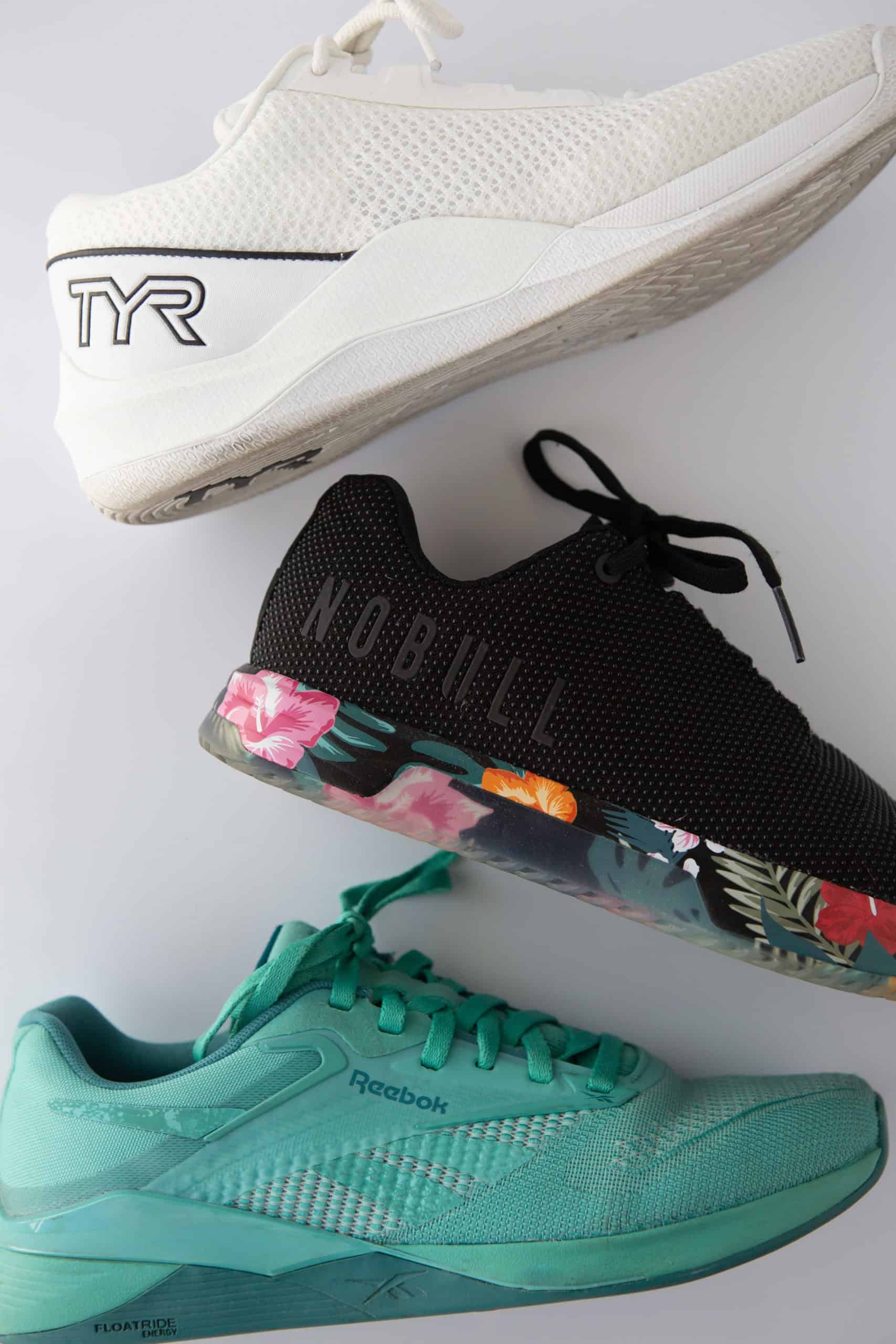
What is Cognitive Behavioral Therapy?

Cognitive behavioral therapy, most commonly referred to as CBT, is a form of psychotherapy that uses specific principles to modify negative emotions, behavior, and thoughts.

This form of psychotherapy differs from conventional, Freudian psychotherapy in that it does not attempt to identify the root of negative emotions, but simply replace these negative emotions with positive ones.

Utilization of CBT is heavily researched in athletes and has been proven to enhance performance across the board.  Unfortunately the efficacy of CBT’s impact on fear of re-injury and return to sport is limited. Therefore, there are minimal recommendations for the implementation of CBT in the rehabilitation of our athletes.  In my practice, I attempt to find a standardized method of CBT through trial and error, and have found beneficial results in my young athletes. Let’s get to the specifics, shall we?
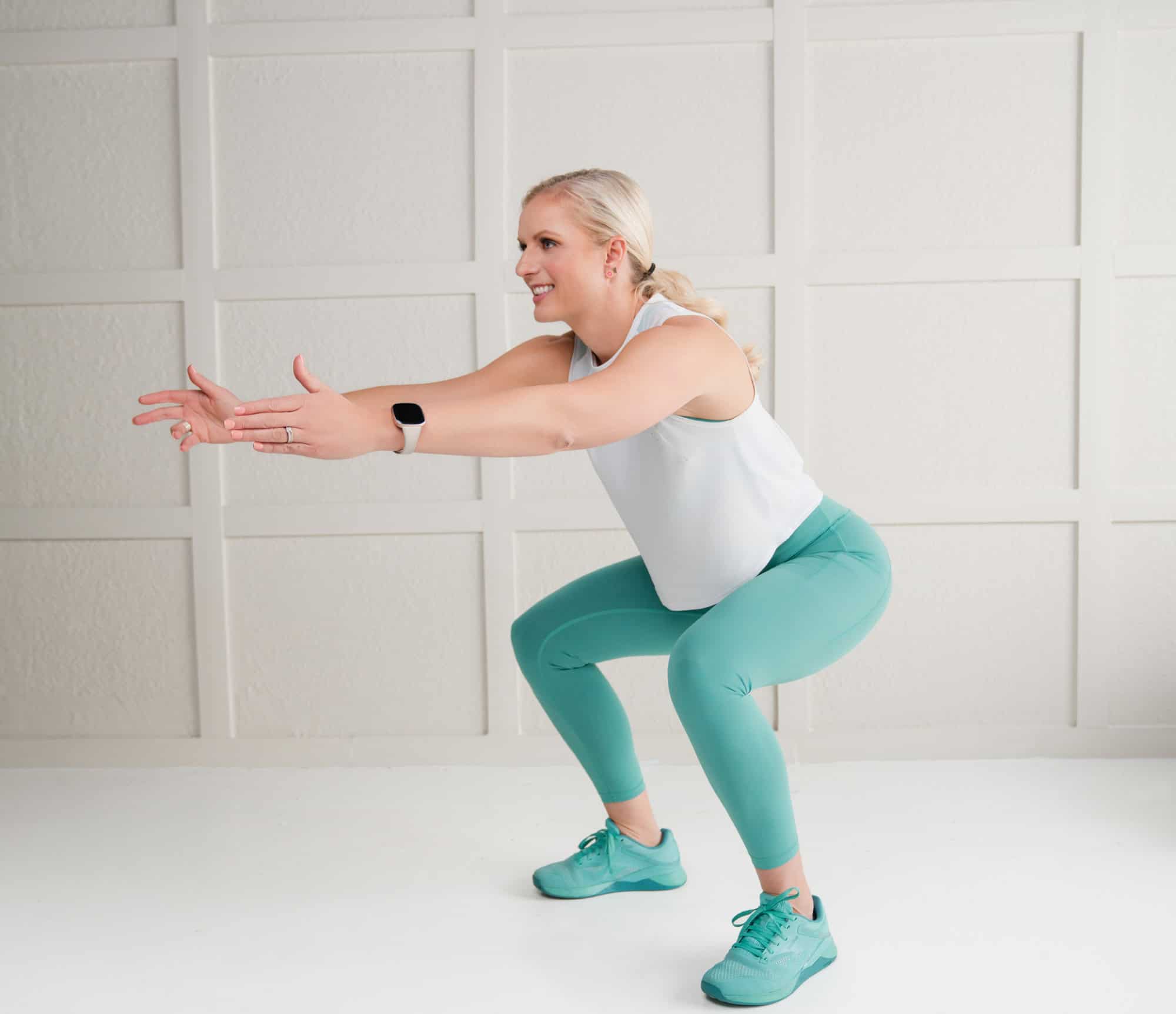
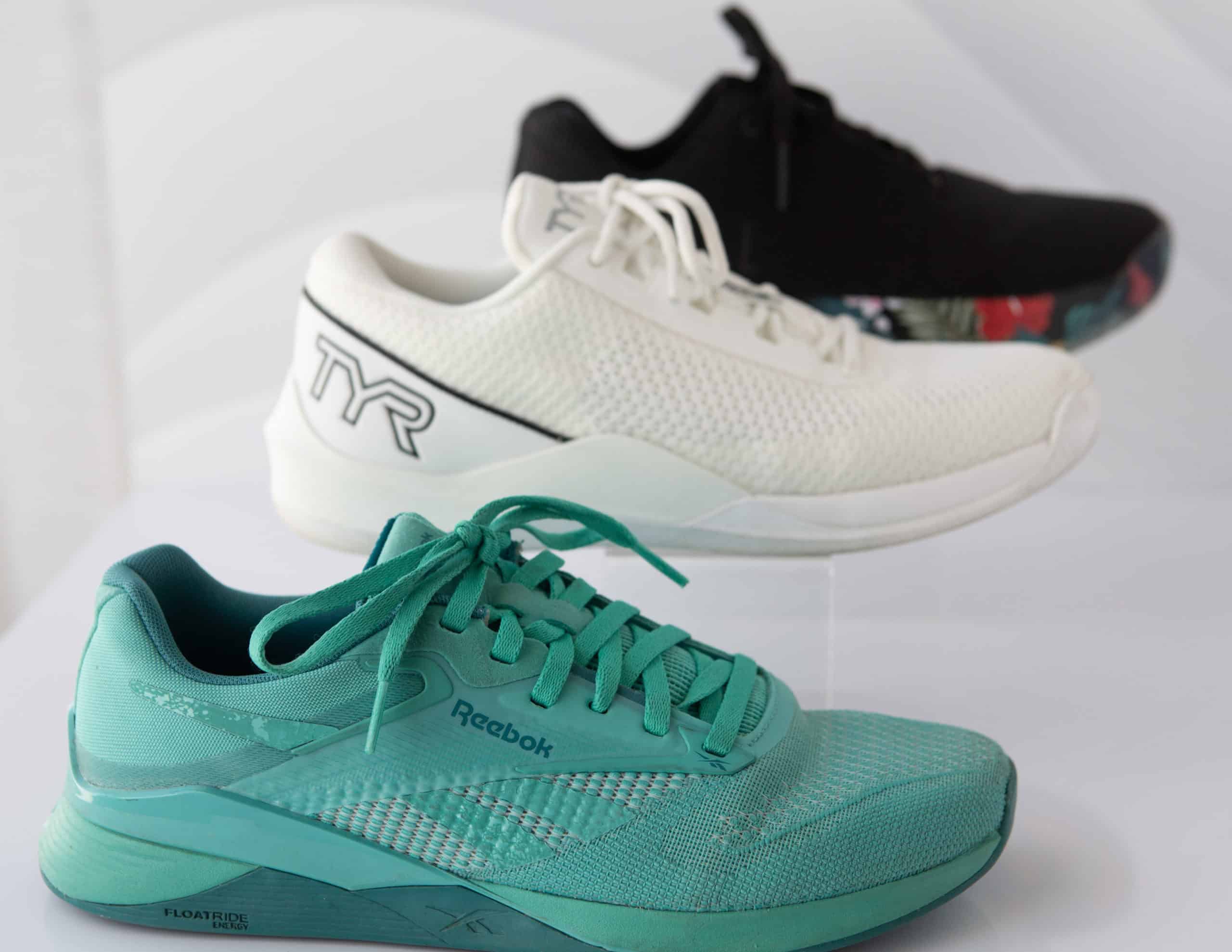
How to use CBT

Mental Practice

Mental practice involves the cognitive rehearsal of a task, typically used if an individual is unable to physically perform a task.  With my athletes, I used mental practice prior to every new exercised performed.

I would have my athlete visualize exactly how the exercise should be performed, with an external focus rather than an internal focus.

For example, if the athlete was performing a box jump, they would simply visualize jumping from point A to point B, rather than focusing on the anatomical structures required to perform the box jump.  This external focus solely on the outcome of the task been proven to increase performance while decreasing the emphasis placed on the physical strain of the exercise.3  

Early on in the athlete’s rehabilitation, mental practice should be performed for 1 minute and slowly reduced in 15 minute increments, decreasing the reliance as the athlete progresses.

Positive Self-Talk

Negative thoughts flood the mind while recovering from injury and can be detrimental to progress. Replacing these negative thoughts is key to the athletes future performance. A professional golfer would never approach a putt thinking, “I’m going to miss this.”  In their mind, they have accepted failure and the outcome will reflect that. This needs to be replaced with, “I am going to make this putt.”

Positive self-talk in athletes has actually been correlated with decreased anxiety, improved concentration and focus, and better performance in sport.4  So how can we transfer this practice of positive self-talk to our injured athletes? Positive self-talk can begin with a simple, general mantra:

Mantra

“I can do this.” The athlete should repeat this mantra whenever a new exercise or task is introduced. Their perspective on the task with change as they become mentally resilient to the possibility of hesitancy and failure.  As the athlete progresses, their mantra can change, becoming more specific to their sport and the task at hand. Whatever they choose, it should be something they fully believe is achievable in order to bridge the gap between the perception of failure and success.

Graded Exposure

Release of the athlete back into their sport should be gradual, as to not overwhelm the athlete with challenging tasks outside of their capabilities.  This graded exposure allows the athlete to build confidence in a progressive manner.

By breaking the sport down into components, variables can be manipulated and controlled, giving the athlete a sense of regulation over their environment.  The components should increase in difficulty as the athlete builds confidence, with the goal of simulating the competitive environment and all variables anticipated just before the return to sport. As a coach or parent, be mindful of this and return an athlete back to play gradually.

Faded Feedback

We are constantly giving feedback to our young athletes.  Feedback in the developing athlete is of utmost importance, but in the injured athlete, reliance on this feedback can be an issue.  Movement will change with injury and normalizing movement though the rehabilitation process is always a priority.

In our young athletes, coaching and feedback will help build confidence in their movement as they begin to redevelop skills.  In the beginning stages of returning to sport, feedback can be provided the majority of the time following an exercise or drill as the athlete will be very reliant on an outside perspective.   But, as the athlete progresses, feedback should be given less and less. This faded feedback will give the athlete confidence that they no longer need validation for their performance.

Final Thoughts

So, what’s the common theme here?  

Confidence.  

Regaining confidence in our injured, young athletes should be a huge factor in their speedy and safe return to sport.  The answer to this universal issue is the incorporation of mental exercises into rehabilitation.  There needs to be change in the rehabilitation of these athletes, shifting from a heavy emphasis on just physical recovery to also including psychological recovery. Just like the body, the mind will adapt to consistent, progressive, and specific overload and can be highly effective with the use of CBT.  I believe this additional training will increase the effectiveness of rehabilitation and have our young athletes return to sport mentally stronger than before their injury.

As a parent or coach you can work with your athlete on building confidence by implementing the techniques listed above.

Written by: Ray King

Ray King Anabolic AgendaRay King is a 3rd year student in the Doctorate of Physical Therapy Program at the University of North Florida.  He graduated from the University of Florida in 2016 with a degree in Applied Physiology and Kinesiology, with the specialization in Exercise Physiology. Ray played competitive golf and tennis throughout his youth, before transitioning to compete in CrossFit and Olympic Weightlifting after graduating high school in 2012.  He’s currently Co-Owner and Fitness Consultant for The Anabolic Agenda, an online company that strives to guide clients in meeting nutrition and performance goals.
Special thanks to Dr. Sherry Pinkstaff, PhD, PT, DPT, for support in this topic.

References

  1.     Kvist, J., Ek, A., Sporrstedt, K., & Good, L. (2005). Fear of re-injury: A hindrance for returning to sports after anterior cruciate ligament reconstruction. Knee Surgery, Sports Traumatology, Arthroscopy, 13(5), 393–397. http://doi.org/10.1007/s00167-004-0591-8
  2.     Hsu, C., Meierbachtol, A., George, S. Z., & Chmielewski, T. L. (2016). Fear of Reinjury in Athletes. Sports Health: A Multidisciplinary Approach, 9(2), 162-167. doi:10.1177/1941738116666813.
  3.     Marchant, David C; Greig, Matt; Scott, Catherine. Attentional Focusing Instructions Influence Force Production and Muscular Activity During Isokinetic Elbow Flexions. The Journal of Strength & Conditioning Research: November 2009 – Volume 23 – Issue 8 – p 2358-2366, DOI: 10.1519/JSC.0b013e3181b8d1e5
  4.     Raalte, J. L., & Vincent, A. (2017). Self-Talk in Sport and Performance. Oxford Research Encyclopedia of Psychology. doi:10.1093/acrefore/9780190236557.013.157
female teen athlete

December 6, 2024 Featured

The Signs and Symptoms of Iron Deficiency Anemia

Iron deficiency anemia is a real concern for many young athletes, but it can be tricky to identify at first. Here is the story of how a female pole vaulter came to recognize the signs and symptoms of iron deficiency anemia and how she recovered from it. Knowing this information can help prevent your teen athlete from missing play due this common health issue.

For more nutrition tips for teen athletes, check out Meal Planning for Teen Athletes.

Of my many memories of my four years as a collegiate pole vaulter, I will never forget the day during my freshman year that I passed out on the football field during a sprint workout. The experience is still very real to me- the taste of the rubber turf, the horrible abdominal cramps, the shame of walking back to the athletic training room, workout incomplete. At the time, the athletic trainers and I had attributed this incident to not being hydrated or conditioned enough.

To ensure that it would never happen again I did what any ambitious athlete would do: I trained harder.

Intent on not repeating the experience on the turf that year prior, I had practiced some of the harder workouts over the summer and started to grow accustomed to the uncomfortable cramping feeling that seemed to show up at the end of any intense running workout.  I felt as prepared as any athlete could be for fall conditioning (i.e kind of, but not really) until our coach told us we’d be doubling up practices in order to cut down the time spent on getting back into shape. One week into conditioning, the cramping started getting worse, and I began feeling out of breath quicker than I normally would. One workout which consisted of ‘ladder’ style sprints up a 400m hill, left me so exhausted that I went home after practice at 5pm and slept until the next morning.

My performance the rest of that week declined quickly. By the end of the week, I remember barely being able to run the warm up lap without feeling fatigued. In a circuit training workout, I had gotten so light-headed and fatigued during sit ups that my eyes were rolling back in my head every time I sat back up. The cramping was getting worse with each work out. At this point, my teammates were also concerned. They noticed the change in my performance – from top three to last.  

I was also now sleeping any chance I got. While I was upset about my performance at practice, the need to sleep allowed me to not focus on it.

I went to the athletic trainer, desperate to rid myself of the nauseating/cramping feeling. We talked about making sure I was getting enough sleep and the proper nutrition. He explained that cramping was commonly due to electrolyte imbalance, so he recommended hydrating with only Gatorade before practice.  He also recommended changing the timing of my meals.

In the following days neither seemed to help. I made it to the weekend, extremely frustrated and exhausted. My next method of attack would be my mentality. I would maintain a positive attitude no matter how terrible I felt, however; my optimism didn’t last long. Not making a single time during the next workout earned me an extra set of sprints. I didn’t even bother setting my watch because I knew there was no way I would be making the times.

Wanting to Quit

I was on the verge of quitting. I had tried adjusting my water intake, my food intake, maxing out electrolytes, prioritizing 8 hours of sleep, and even adjusting my mentality but I was still exhausted and performing poorly.

Three weeks into fall conditioning, my coach began to suspect something more severe was going on. I received the following text:   “Go to the nearest clinic and ask to get your iron ferritin level tested.” Desperate for an answer I scheduled an appointment for first thing the next day. At the clinic I explained to the physician my constant fatigue, lightheadedness, and abdominal cramping with exercise. I was walking to my coach’s office later that afternoon when I received a call back from the physician herself with my lab results:

Iron Ferritin: <5 ug/l

Hemoglobin: 8.5 mg/l

What is Iron Deficiency Anemia

Iron is a micronutrient that plays an integral role in physiologic functions such as oxygen transport and energy production (Alaunyte, 2015). Due to the combination of menstruation, increased iron loss through hemolysis (red blood cell rupture), and insufficient dietary iron intake female athletes are frequently affected by this condition (McClung, 2014).

The World Health Organization, and other sport organizations like the US Olympic Committee, use serum (blood) iron ferritin and hemoglobin levels to diagnose iron deficiency anemia. There are 3 stages of iron depletion:

Source: Kapinski, 2017

Signs & Symptoms of Iron Deficiency Anemia

The tricky part of identify this condition is that iron deficiency is asymptomatic in the first stage. As iron levels begin to drop, however, more symptoms arise due to impaired oxygen transport.

Stage 3 indicates that the body’s iron stores have been so depleted that it is no longer able to make new red blood cells, resulting in a decreased ability to transport oxygen throughout the body during rest – let alone during exercising when your body needs even more oxygen.

Other common symptoms of IDA are:

  • gastrointestinal cramping
  • extreme fatigue
  • dizziness
  • depressed thyroid function
  • decreased ability to regulate body temperature (Suedekum, 2005) 

According to the National Institute of Health’s Office for Dietary Supplements, premenopausal female endurance athletes are at a high risk for IDA, especially those that have a restricted energy intake and heavy menstrual bleeding.

Recovering from Iron Deficiency Anemia

Since there are 3 different levels of iron deficiency, each athlete should consult a medical doctor and registered dietitian to determine the best course of treatment. In most cases, an iron supplement is prescribed. Iron supplements are easy to acquire over the counter but still use under the supervision of a medical doctor.

In addition to iron supplementation, rest from training may be required as well as additional dietary changes.

Due to the severity of my low iron level, I was prescribed an iron supplement and was instructed to stop all running for a minimum of 6 weeks to let my fragile red blood cell count increase. I was also advised to take oral iron supplements with orange juice and avoid drinking tea or coffee with meals. This curious combination stems from the ability of vitamin C to enhance iron absorption. Foods such as fruits, potatoes, and leafy greens have high levels of vitamin C which helps the body take in and store the iron we eat in our foods (WHO, 2001).  

Calcium

Conversely, the calcium found in milk products, as well as foods that contain tannins such as tea, coffee, cocoa and certain spices largely inhibit the body’s ability to absorb iron.  In addition to the high volume of endurance workouts, I had also been drinking iced tea or chocolate milk with almost every meal, thus inhibiting my body from absorbing what little iron I was ingesting.

After six weeks of no impact running, and avoiding tea or milk consumption during meals, I had my blood levels tested again.  My hemoglobin level had risen to 9.1 mg/l, and my iron ferritin was at 50 ug/L. I was told to take two more weeks off to let my hemoglobin rise further, and then was cleared to return to practice. As nervous as I was to run again, I had begun to feel exponentially better. My daily naps were no longer needed, and the weight training and cross training (biking/elliptical) no longer left me winded. My first practice back was a hill workout- I would never miss time on a workout for the rest of my collegiate career.

Educate Yourself

At the end of my anemia journey I was happy to finally have an explanation for the suffering I had gone through, but I couldn’t help but be angry and disappointed that I had not been educated earlier on the importance of iron.  I learned then that this was in part due to the fact that not all athletes are treated the same. While it is common for track athletes (sprinters and distance runners) to be educated on these issues, it is rare that field athletes (jumpers, pole vaulters, throwers) received the same education.  

Impacts

Iron deficiency anemia can have dramatic impacts on an athlete’s physical, emotional and mental health, and yet it is very easy to prevent, or at least catch very early. Education on the importance of a healthy, iron rich diet, especially among ALL female athletes is integral in preventing future cases of IDA and other common sport related issues such as the female athlete triad (a dangerous trio stemming from over-training, inadequate energy intake, and dysmenorrhea, or cessation of the menstrual cycle).

My mental health and self-esteem had also been greatly affected by this event. Had my coach not identified iron deficiency as a potential issue, I’m not sure I would have continued to participate in track and field. I had felt inadequate as an athlete, and my exhaustion often left me hopeless and upset.

Following my recovery, I gained a new outlook on sport performance and perseverance. Although we are often encouraged to push through the pain to get faster and stronger, pushing through my circumstances had left me in worse shape. Once my iron levels had returned to normal, my performance improved drastically and I was safely able to explore my mental and physical boundaries.

Proper iron intake should be priority for all coaches and sport medicine personnel- a simple educational session could be the difference between high level performance and running slow. 

Written By

Written by guest coach: Skylar Schoen is a 2nd year student in the Doctorate of Physical Therapy Program at University of North Florida. Originally from Batavia, IL, Skylar attended Grand Valley State University (Allendale, MI) and graduated in 2017 with a degree in Clinical Exercise Science, Pre-Physical Therapy Emphasis. While at GVSU, Skylar competed for Grand Valley’s Track and Field team as a DII collegiate Pole Vaulter. During her time as a collegiate athlete she made three appearances at the Division II National Track and Field Meets (Indoor & Outdoor).  Skylar moved to Jacksonville in 2017 and currently is an avid reader, surfer, yogi, and triathlete in training.

I’d like to thank my professor, Dr. Sherry Pinkstaff, and Jenna Braddock for allowing me this space and platform to share my experience with the sports world. I hope that this article encourages both athletes and coaches alike to consider iron deficiency and the importance of identification and prevention in helping promote the highest level of sport performance.

References

Iron Deficiency Anemia: Assessment, Prevention, and Control. World Health Organization. 2001

McClung JP, Gaffney-Stomberg E, Lee JJ. Female athletes: a population at risk of vitamin and mineral deficiencies affecting health and performance. J Trace Elem Med Biol. 2014;28:388–92.

Office of Dietary Supplements: National Institutes of Health. Dietary Supplement Fact Sheet: Iron. Accessed at: http://ods.od.nih.gov/factsheets/Iron-HealthProfessional/

Suedekum NA, Dimeff RJ. Iron and the athlete. Curr Sports Med Rep. 2005;4:199–202

World Health Organisation. Assessing the iron status of populations. Geneva, Switzerland: WHO Press; 2007

Whiting SJ, Barabash WA. Dietary reference intakes for the micronutrients: considerations for physical activity. Appl Physiol Nutr Metab. 2006;31:80–5

Alaunyte et al. Iron and the female athlete: a review of dietary treatment methods for improving iron status and exercise performance. Journal of the International Society of Sports Nutrition (2015) 12:38

Karpinski C, Rosenbloom C. Sports Nutrition: A Handbook for Professionals, 6th Edition. Academy of Nutrition and Dietetics. 2017.

tired athlete

December 6, 2024 Featured

RED-S and Disordered Eating in Teen Athletes

RED-S, Relative Energy Deficiency in Sport is a debilitating syndrome for teen athletes. It often includes disordered eating and keeps an athlete from thriving and competing. Here’s what you need to know about RED-S and disordered eating in teen athletes.

This article is written by Karli Himmelreic, and edited by Jenna Braddock.

My Story with Disordered Eating as a Teen Athlete

Sunny, 80 degrees, with a slight October breeze from the river near our middle-school fields. Sounds like the perfect Florida afternoon for a cross country practice, huh? Usually, but that day for me it meant another hour of pushing my body to its limits, which was feeling increasingly more difficult lately. It meant another hour of feeling lightheaded and ignoring my growling stomach while I pushed myself through another tempo run. The breeze hit my skin, and I shivered with goose bumps. I was always cold now, so I shook it off and went on the run. I fought to make sure my foot landed on the ground with each step so that I wouldn’t collapse from hunger. Shakily, I walked back to the track, stretched, and talked with my friends.

While navigating some stressful family dynamics at home, trying to be a good oldest child, and having a perfectionist-seeking attitude towards school work, I sought comfort in the one thing I felt that I could control in my busy and hectic life: that being control over how much, or rather, how little I ate. — 

Effects On My Body

It did not take long for weight to shrink off of my already small frame. My skin turned yellowish, I developed a strange fuzz (called lanugo [6]) on my arms, my hair was falling out, my nails were flaking apart; all of my clothes were too big. I was so awfully fatigued, but I had trouble sleeping because I was so hungry. I was a straight-A student, but found it increasingly difficult to focus, particularly while fighting thoughts about the next meal I would allow myself, and how many calories it would be.  In short, my body was shutting down, and I was miserable, despite the constant support and concern of my loved ones. 

At the young age of eleven, I was diagnosed with an eating disorder called Anorexia Nervosa. This is a mental health disorder, characterized by weight loss and/or difficulty maintaining or refusal to maintain a healthy body weight, along with an intense fear of gaining weight, often accompanied by preoccupation with food and/or exercise and severe calorie restriction, among other symptoms [1]. In addition to this, my recreational activities as a runner and athlete also gave me another diagnosis, called “female athlete triad” [8]. 

I realize that this is a heavy history, but this is also a success story so stick with me. I share all of this to bring to light the fact that eating disorders can happen to anyone, at any age. It is my hope that through sharing my story, explaining these conditions, and providing some resources for parents and their children that together we can foster healthy minds and healthy bodies for our female athletes of all ages. 

Female Athlete Triad now called Relative Energy Deficiency in Sport (RED-S)

The Female Athlete Triad is defined as any combination of the following: low energy availability (with or without a clinical eating disorder), menstrual dysfunction, and low bone mineral density (BMD). While this is still a relevant term, it’s been discovered that some of these symptoms can also occur in men and are just as dangerous. Therefore, in 2014, the International Olympic Committee created a more gender-encompassing diagnosis, Relative Energy Deficiency in Sport (RED-S). In women, these diagnoses may be used interchangeably. 

What is RED-S

The Triad, now RED-S is a vicious and inter-related cycle that can have severe long-term health consequences [3,6].  It is considered a syndrome with impaired physiological function that is caused by low available energy and includes, but is not limited to these symptoms: 

  • Impaired metabolic rate 
  • Impaired menstrual function  
  • Impaired bone health 
  • Poor immunity 
  • Inadequate protein synthesis
  • Impaired cardiovascular health[10] 

If any of these symptoms are observed in an athlete the American College of Sports Medicine Position Stand on Female Athlete Triad states that it is “IMPERATIVE that if one of these syndromes/conditions are recognized, then the rest be screened for”, as these conditions so commonly occur together [4].

If your athlete is experiencing fatigue but none of the other symptoms, it could be iron deficiency anemia. Read more in this post, The Signs & Symptoms of Iron Deficiency Anemia.

Low Energy Availability

The root cause of RED-S is most commonly attributed to an athlete not eating enough energy/fuel/food to support the amount of energy needed expended by activity and basic body functions. 

To simplify this problem into an equation: energy out (significantly) > energy in.  

This may not make sense at first glance, as an athlete may seem like he or she is eating. But keep in mind that calories are needed to not just fuel athletic activities, but also daily activities like going to school, and baseline functions like digestion and keeping your heart beating.

Low energy availability can occur unintentionally where the athlete is not aware or does not have the time or resources to consume the amount of food that their body needs for them to keep up with their daily activities, including sports. However, it often occurs more “intentionally” through disordered eating practices[2]. An athlete could be intentionally restricting certain foods, food groups, or overall calories or it could be more severe as in the case of anorexia. 

Why is not eating enough such a problem for athletes?

It is because low energy availability is the catalyst for the pathophysiology of the rest of the syndrome of RED-S! [2, 10] Inadequate essential nutrients translates into inadequate essential building blocks for hormones and body structures, such as bones and muscle tissue. Acutely, this negatively affects athletic performance and recovery, as well as interrupts all other body systems and the athlete’s ability to concentrate. 

Without enough calories – and sufficient distribution of those calories from our basic macronutrients (carbohydrates, proteins, AND fat), the body will not be able to produce all its hormones, nor be able carry out other vital functions. To preserve energy, the body will often “shut down” non-essential functions that require energy in the form of calories, such as reproductive health. For a young female athlete, this can have a severe impact on her menstrual cycles, or delay that start of her first menstrual cycle (termed “menarche”), which can in turn have major impacts on her bone and reproductive health in the long run. [7]

Calcium

Calcium is a vital mineral in the body, as it is required for muscle contraction, including cardiac muscle of the heart, in addition to bone health and other essential functions. Low energy availability deprives the body of this high-esteemed electrolyte and will acutely “strip” bones of their vital calcium and vitamin D, in order to maintain these careful balances in the bloodstream required for homeostasis [7]. This is also related to menstrual dysregulation because the female sex hormone estrogen is a mediator in the balance of bone building (osteoblastic) and bone break-down (osteoclastic) activity. Thus, lower levels of estrogen not only affect the menstrual cycle, but also interrupt this bone metabolic balance, leading to excessive bone breakdown [2]. Long-term, this translates into earlier risk of osteopenia or osteoporosis, and a heightened risk of stress fractures [2,7].

Determining if Your Athlete has RED-S

Diagnosing RED-S is done by a medical professional. Unfortunately your pediatrician may not be aware of, or comfortable with this condition if they don’t work with athletes regularly. Sports medicine practitioners are usually well equipped in quickly recognizing RED-S. Physical Therapists, Athletic Trainers, and Registered Dietitians certified in sports nutrition are usually educated on RED-S (but cannot legally diagnose) and may encourage an athlete to seek medical care. Regardless of who your preferred practitioner is, if you suspect your child is experiencing one or more symptoms of RED-S, do not stop until you find a provider experienced in treating it. 

Treatment of RED-S

The first step most practitioners will prescribe for treatment of RED-S is suspension of training for and playing in sports (AKA “rest”).This is a necessary step for quickly reducing the amount of energy the body is expending.

Typically “rest” means “don’t do anything beyond walking around” but is best determined by your doctor and/or Physical Therapist. Athletes are often unhappy about this step, but I assure you it is necessary. 

The next step is usually to significantly increase calorie intake. This is where working with a Registered Dietitian Nutritionist is very valuable. They can help you and your athlete determine how to add energy and nutrition to most quickly help you recover. They also may recommend supplementing with things like calcium, vitamin D or omega-3 fatty acids, but make sure you seek personalized recommendations before beginning a new regimen. 

After these important first steps, it’s a bit of a waiting game to see how the body responds. The goal is to increase weight (if needed), strengthen impaired physiological functions, and allow any injuries to heal. Working with a Physical Therapist during this time may also be beneficial. 

Returning to play should be done with great caution and under the influence of your medical doctor. A RED-S risk assessment model is used to categorize athletes as red/high risk, yellow/moderate risk or green light/low risk and is a guide for when an athlete is probably ready to return to training. This assessment tool can be found on page 5 of this RED-S article. 

RED-S Warning Signs for Parents & Coaches of Athletes

In reflecting on my experiences, I also want to summarize and share some helpful tips to parents, athletes, and coaches to look out for in regard to RED-S and disordered eating:

  • Pay attention to how your child talks about and acts around food as they are warning signs:
    • Are they barely eating and/or picking at meals? 
    • Restricting certain foods or food groups without a medical reason? 
    • Are they hiding food?
    • Rushing to the bathroom immediately after meals? 
    • Saying they need to exercise to “burn it off”?
    • Preoccupation with food or exercise 
  • Other obvious, physical warning signs: [1]
    • Intolerance to cold and incessant coldness, even when it is warm outside 
    • Development of lanugo, or fine hair on the skin
    • Sudden loss in weight
    • Excessive bagginess of clothes
    • Loss of menstrual cycle or absence of menarche in a female 16 or older
    • Decline in athletic performance, in combination with the above signs
  • Subtle signs that may be noticed overtime or in conversation with a medical professional:
    • Monitor your child’s growth chart and attend pediatrician check-ups regularly!
      • A sudden decline in a child’s growth chart without any other medical cause can indicate a chronic nutritional deficiency (CDC, 10).
    • Be alert and aware of chronic injuries, particularly those associated with the triad, such as recurrent stress fractures that heal poorly.

Tips for Parent Involvement

  • Prepare to practice your patience muscle. If your athlete is dealing with disordered eating patterns, they take time and a lot of work to improve. 
  • Be a loving guide in your child/athlete’s food intake – check in with them in a non-hovering way and encourage well-rounded habits
    • Make lunches together so you are able to observe choices. You’re child may not be in a good place to make these decisions alone. 
    • Discuss options of healthy foods your athlete would enjoy and try to make them available. Focus on finding an enjoyable source of calcium each day as well as satisfying sources of fat. 
  • Enlist a Registered Dietitian Nutritionist (RDN) who is a Certified Specialist in Sports Dietetics (CSSD) as quickly as possible to help your child get on a more nourished eating path.
    • We offer a dietitian created online course on How To Gain Weight, which is appropriate for some athletes in this situation, but not all.
  • Check in with your child’s doctor regularly and privately if needed.
    • Look at growth charts and trends [10].
    • Be mindful of the conversations you have with your pediatrician in your child’s presence. They might not all be appropriate for their ears. 

More Tips

  • Ask your child how they are feeling and handling stress. Encourage them to talk about their feelings about their body and mind, and don’t be afraid to seek help if they are struggling. 
  • Build your athlete emotionally as best you can and in a way they receive.
    • Spend quality time together where you are not distracted by your device. Good conversations with teenagers happen when you least expect them. 
    • Let your child know you are on their side and here to help them. 
    • Encourage them to continue making the choice to fuel their body, even when it’s hard or not what they want to do. 
  • USE YOUR VOICE. Parents, please do not be afraid to have this conversation with your athletes; and don’t let it go just because they “look healthy” to you. 
  • Encourage your child to be an active participant in their health and growth, but also encourage them to find joy in their body’s capabilities- with less emphasis on how it looks as they develop. 

**If you or someone you know is concerned about disordered eating, use this screening tool to learn more: https://www.nationaleatingdisorders.org/screening-tool 

My Recovery Experience

To help you understand how this all works, I’ll share a little more on how RED-S affected me:

Because my body was so severely deprived of essential nutrients as an eleven-year-old, I had a delayed menarche, and struggled to maintain a regular menstrual cycle for years. My childhood and adolescent growth was also stunted, signified by an overall reduction in my estimated height based on my previous growth charts [10]. 

Eventually, I grew and achieved a healthy weight for my height, but I continued to train my body on metabolically compromised bones. This resulted in stress fractures and nagging injuries that kept me out of numerous competitions, including my senior state level cross country meets. 

Unfortunately, I struggled with my eating disorder for almost 10 years, experiencing a very scary relapse with anorexia and anxiety in college. I was experiencing the same symptoms as before, but this time with abnormalities in my heart rate and rhythm. I had to be frequently monitored by my doctors, almost causing me to take a medical leave from college. During my junior year of college, almost 9 years after my diagnosis of anorexia, my body was in a state of very poor health, and this is when I decided to seek treatment with a more definitive approach.

Inadequate Nutrient Intake

For me, the primary factor in all of this was inadequate nutrient intake, which resulted in complications of all the components of the triad. However, this situation can be prevented, and these adverse health effects avoided. Proper treatment for this can result in high success rates, particularly with a multi-disciplinary approach, especially when combined with support and from the athletes’ families and coaches [3].

I am incredibly grateful for the dedicated and high-quality care I received in both my adolescent and college-aged years. Without my team of health-care professionals and the support of my family, I would not be where I am today – finishing up my Doctorate degree in Physical Therapy, able to healthfully train for marathons, and getting ready to marry the most wonderful man.  

Karli Himmelreic is currently finishing her Doctor of Physical Therapy Degree at the University of North Florida and is passionate about helping adults and children with disabilities. She received her Bachelor’s of Science in Exercise Physiology from Florida State University. In her free time, you can catch her doing something outside – running, reading, or spending time with her fiancé and her family. She would like to thank both Jenna Braddock and her UNF professor, Dr. Sherry Pinkstaff, for assisting her in writing this piece and providing a platform to share her story.

References

  1. https://www.nationaleatingdisorders.org/learn/by-eating-disorder/anorexia 
  2. Brown, K. A., Dewoolkar, A. V., Baker, N., & Dodich, C. (2017). The female athlete triad: Special considerations for adolescent female athletes. Translational Pediatrics, 6(3), 144–149. https://doi.org/10.21037/tp.2017.04.04 
  3. Thein-Nissenbaum, J., & Hammer, E. (2017). Treatment strategies for the female athlete triad in the adolescent athlete: current perspectives. Open Access Journal of Sports Medicine, Volume 8, 85–95. https://doi.org/10.2147/oajsm.s100026 
  4. Carol, L. M. D., D, B. P., Mimi, M. D., D, A. P., & D, J. P. (1997). ACSM Position Stand: The Female Athlete Triad, 29(5). 
  5. https://www.nationaleatingdisorders.org/screening-tool 
  6. https://www.nationaleatingdisorders.org/health-consequences 
  7. Drabkin, A., Rothman, M. S., Wassenaar, E., Mascolo, M., & Mehler, P. S. (2017). Assessment and clinical management of bone disease in adults with eating disorders: A review. Journal of Eating Disorders, 5(1), 1–9. https://doi.org/10.1186/s40337-017-0172-0 
  8. https://www.eatingdisorderhope.com/information/eating-disorder/dangers-of-female-athlete-triad-syndrome 
  9. Joy, E., De Souza, M. J., Nattiv, A., Misra, M., Williams, N. I., Mallinson, R. J., … Borgen, J. S. (2014). 2014 Female Athlete Triad Coalition Consensus Statement on Treatment and Return To Play of the Female Athlete Triad. Current Sports Medicine Reports, 13(4), 219–231. https://doi.org/10.1249/jsr.0000000000000077 
  10. https://www.cdc.gov/growthcharts/cdc_charts.htm 
  11. Mountjoy, M et al. (2014). The IOC consensus statement: beyond the Female Athlete Triad –Relative Energy Deficiency in Sport (RED-S). British Journal Sports Medicine. 48, 491-497.
carbohydrates

December 6, 2024 Teen Athletes

The Best Carbohydrates for Teen Athletes

Teen athletes live busy, fast-paced lives, and need the right fuel for their bodies in order to keep up. Check out this video and post to learn more about the best carbohydrates for teen athletes to consume during their day. 

WHAT ARE CARBOHYDRATES?

Carbohydrates are one of the macronutrients that provide our bodies with energy. Among the energy-providing nutrients, carbohydrates are the easiest for our body to metabolize and use as a quick source of fuel. 

Athletes in particular need to eat carbohydrates to help support and give them the energy they need in both training and competition. This is why it is important for your athlete to continue to eat carbohydrates throughout the day.
Meals and snacks should contain some source of carbs to keep this fueling consistent. As a good rule of thumb, make sure half of your athlete’s plate is made up of carbohydrates at mealtimes. This not only gives them the fuel they need to perform, but it also ensures that they are getting enough calories in each day.

WHERE ARE CARBOHYDRATES FOUND?

Carbohydrates can be found in a variety of foods. The food groups that contain carbohydrates are:

  • Grains 
  • Fruits
  • Vegetables 
  • Beans and legumes
  • Dairy 
  • Sweeteners
  • Sports drinks and products 

Your athlete should be focused on eating most of their carbohydrates from foods that also provide good nutritional value including fiber, vitamins, and minerals. Of the food groups listed above, grains, fruits, vegetables, beans, legumes, and dairy also contain good nutritional value. These are the ones to focus on eating throughout the day to ensure a healthy, balanced diet.

WHEN TO EAT CARBOHYDRATES

On an average day, athletes should fuel up with nutrient dense carbohydrates throughout the day at every meal. 

In relation to their training, practicing, or performing, carbohydrates should be eaten before, during and after. This means that there is hardly a time when teen athletes should be intentionally avoiding carbohydrates.

It is less important for carbohydrates consumed before training, practicing or performing to be “nutrient dense” as the main point here is energy for their working bodies. Outside of this time though, getting nutrient dense carbs is important for their growing bodies and to help build healthy eating habits for later in life.
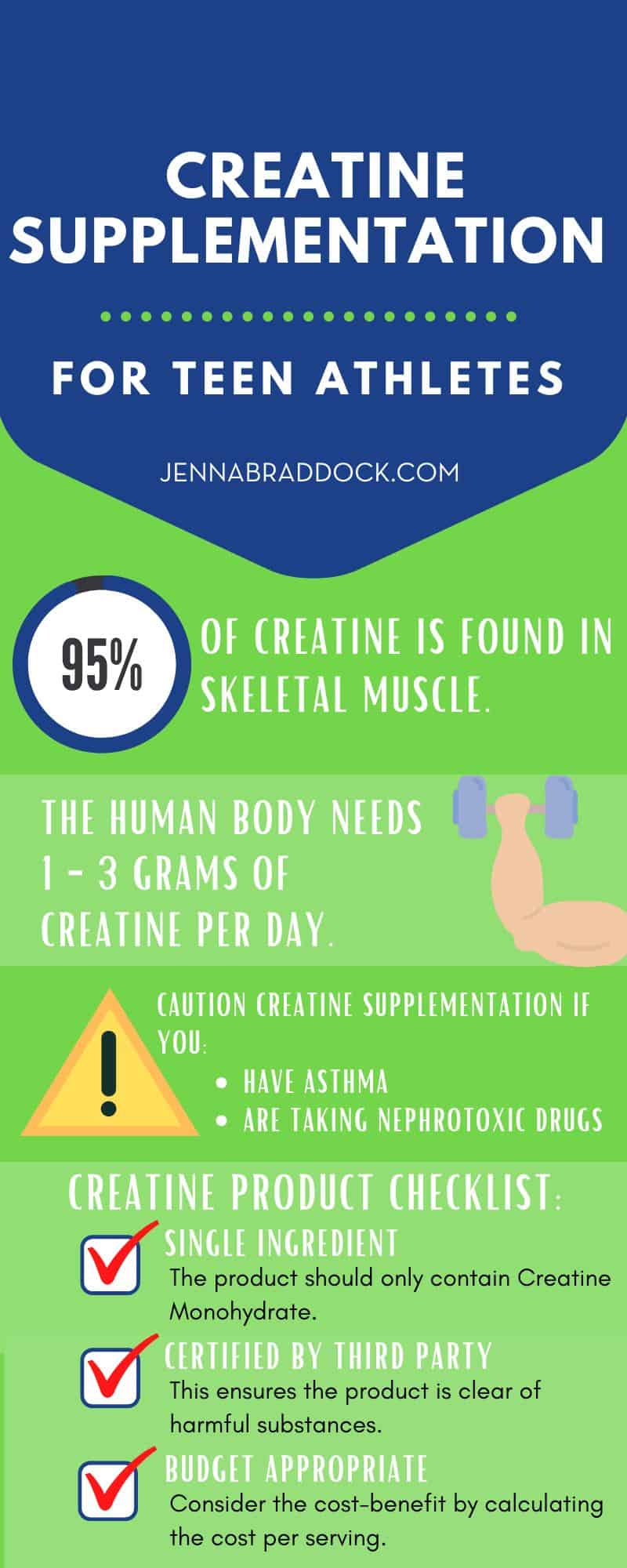
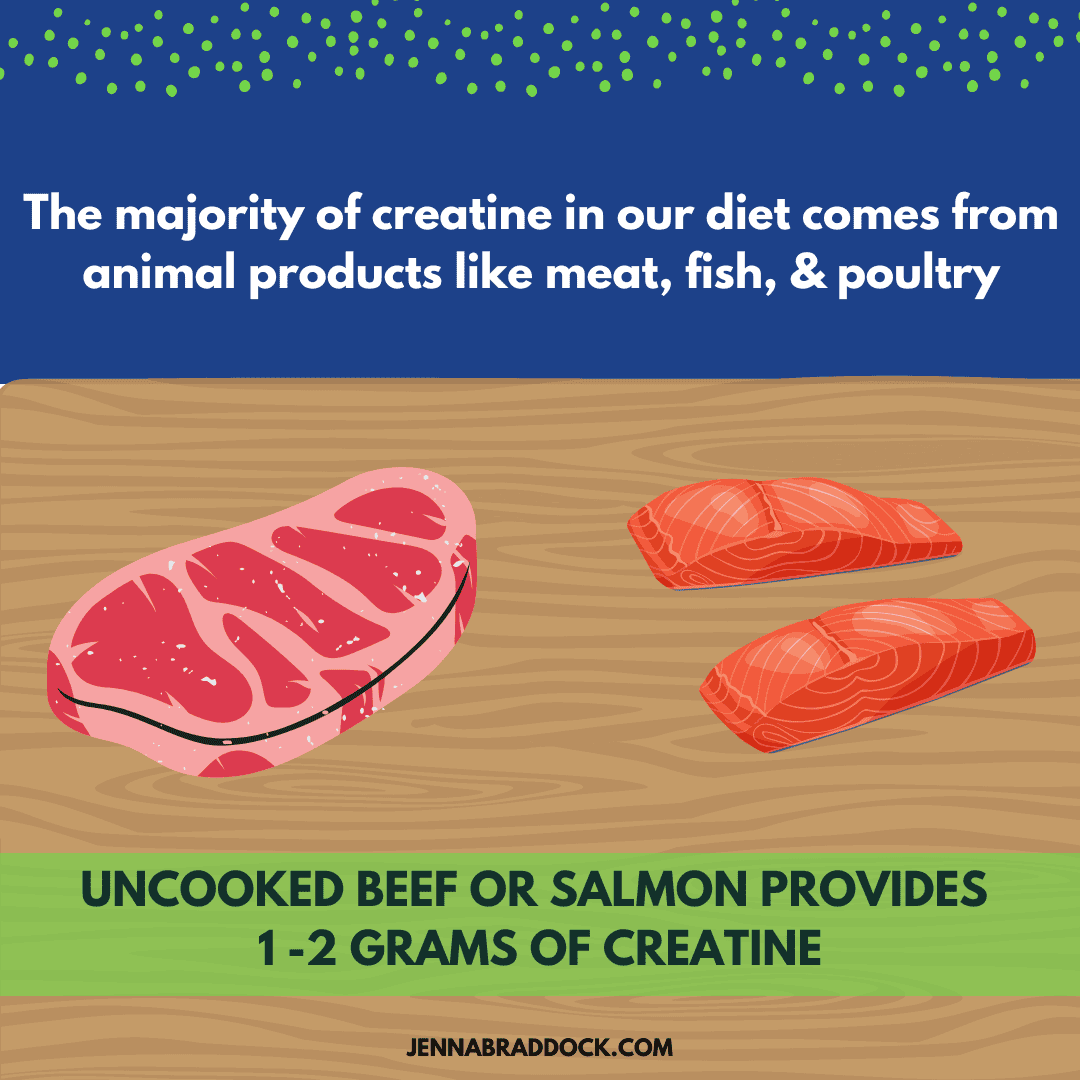
FIBER

One of the most important nutritional benefits of “nutrient dense” carbohydrate sources is fiber. Consuming the right amount of fiber will keep your athlete fuller for longer after meals, which is helpful if they have a big appetite. Exposing young athletes to fiber rich foods is also important because it lays the foundation of a healthy diet that will serve them well into adulthood. 

Fiber is found in 100% whole grains and is the best choice when choosing breads, pastas, or rice. Fresh fruits and vegetables have a higher fiber content when the edible skins are left on to eat. Beans are an excellent source of fiber, no matter how you eat them. Nuts and seeds can also provide some fiber but read nutrition labels to be sure.

Click to Learn How to Grocery Shop With Confidence

PRE-TRAINING CARBOHYDRATES

The one exception for choosing nutrient dense carbohydrates is right before or during practice or a competition. At this time, athletes should opt for foods higher in simple carbs (sugar), which are ideal for immediate energy use.
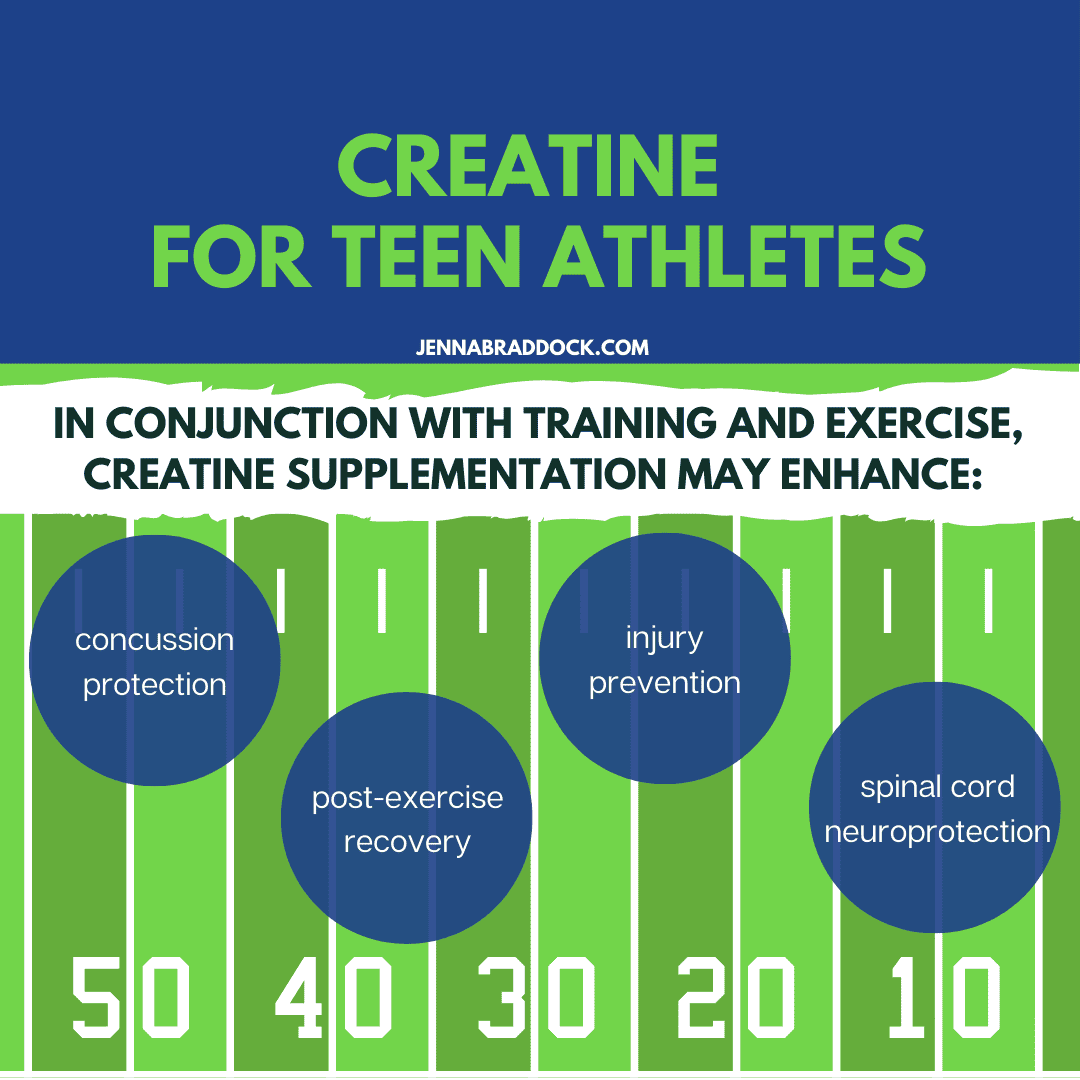
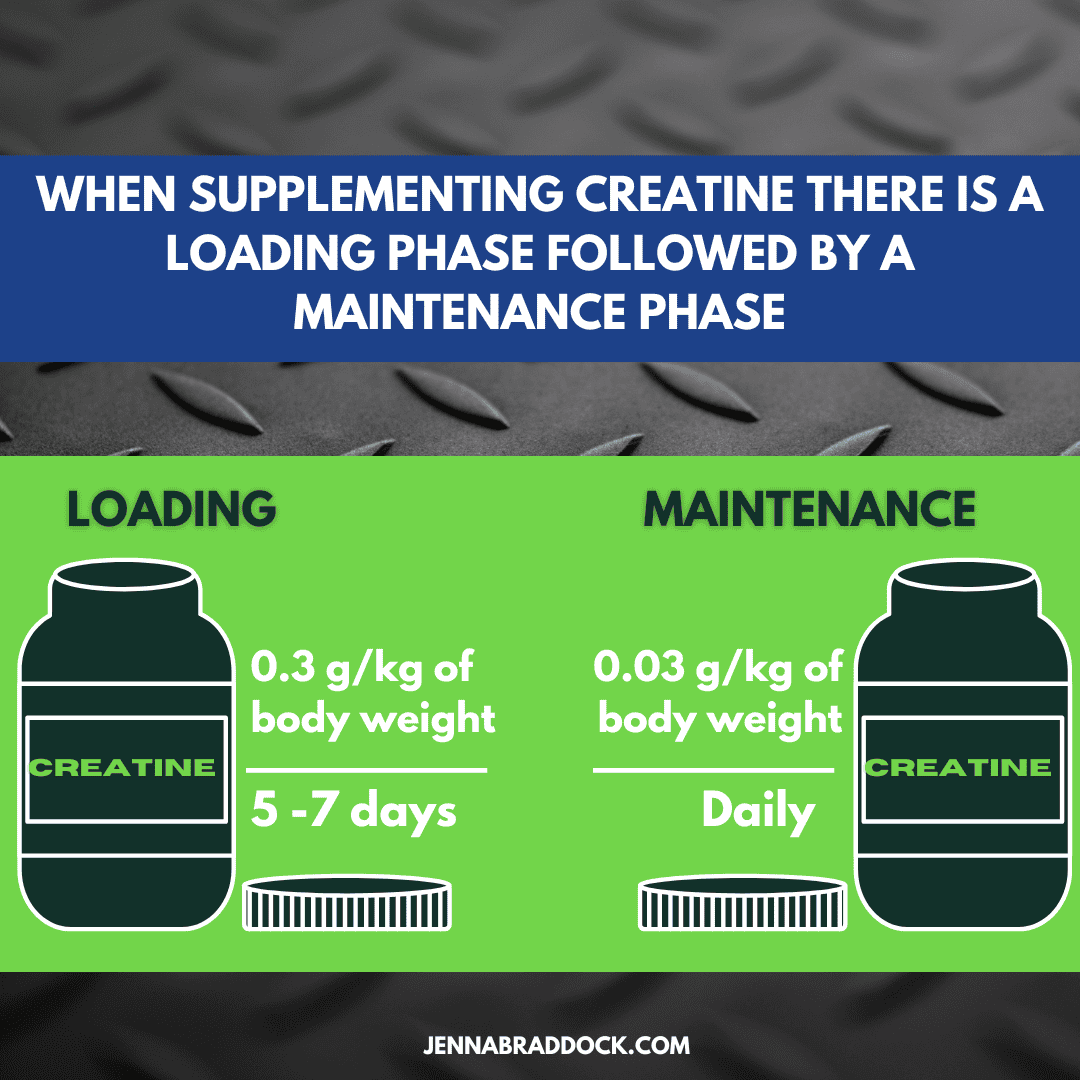
Consuming higher fiber carbs right before training or competing could cause tummy troubles and will slow down the digestion and usage of the energy from food.  Examples of simple carb choices perfect for eating before training include sports drinks, sports products (gummies and gels), honey, fruit juice, cereal bars, white bread, crackers, fig Newtons, and pretzels.

THE BEST CARBOHYDRATES FOR TEEN ATHLETES

Here is a list of ideas for the best carbohydrates for teen athletes. All of these are nutrient dense choices and best for including throughout the day in meals and snacks. 


Grains

  • 100% whole grain bread
  • 100% whole grain pasta
  • Bean based pastas
  • Brown rice
  • Oatmeal
  • Whole grain nutrition bars
  • Whole grain cereal
  • Whole grain tortilla chips
  • Popcorn
  • Puffed grain chips

Vegetables

All vegetables are good athletes but these provide more carbohydrate.

  • White potatoes
  • Sweet potatoes
  • Corn
  • Beets

Fruits

All fruit can be a great choice for teen athletes. These are some convenient options for taking on the go.

  • Bananas
  • Apples
  • Oranges
  • Kiwi
  • Grapes
  • Dried fruits
  • Fruit juices

Beans, Legumes, Nuts, and Seeds

All beans can be a great addition to the teen athlete’s diet. Nuts and seeds have lower amount of carbohydrate but still contribute to total needs.

  • Chickpeas
  • Hummus
  • Lentils
  • Kidney peas
  • Black beans
  • Pinto beans
  • Edamame
  • Peas
  • Chia Seeds
  • Pistachios

Dairy

  • Milk
  • Traditional and Greek yogurt
  • Cottage cheese
  • Soy milk

Because teens are still growing, they need carbs to support improvement in their sport and physical growth and development. Teen athletes should be enjoying eating carbohydrates throughout the day at each meal and snack. Right before or during competition or practice, they may need higher sugar, less nutrient-dense foods to promote performance. 

Watch these videos on more about fueling with carbs before, during and after training.

Is Your Teen Athlete Trying to Gain Weight?

If so, you’ve come to the right place. Our online course written by Jenna Braddock, MSH, RDN, CSSD (Registered Dietitian and Certified Specialist in Sports Dietetics) is designed specifically for teen athletes. It guides both teens and their parents on a step by step approach for how to gain weight in a healthy way. Join by clicking the button.

Join “How to Gain Weight for Teen Athletes” Online Course

December 6, 2024 Teen Athletes

Protein Powder and Teen Athletes | What You Need to Know

Protein powder supplements have long been popular in the world of sports. Some athletes consume protein powders due to a lack of protein in their diet, some consume it with the hopes of gaining more muscle mass, some use it as a meal replacement for convenience purposes, and some drink it just because social media says they should. So what about teen athletes? Is protein powder for active teens necessary and is it safe? Are there benefits or is it just a waste of money? Read on to learn all about protein needs for teenagers, when and why to use protein powder for teenage athletes, and what are the best protein powders for teen athletes.

Protein powder and teenage athletes - teen dulling pull up

The Role of Protein for Teen Athletes

Protein is an essential macronutrient that helps repair and regenerate damaged muscle tissue, aid in muscle contraction, increase hormones that assist in muscle recovery and muscle growth, and also improves immune function. The amount of protein you need depends on your age, gender, weight, level of activity, and intensity and frequency of strength training.

Athletes require more protein than a sedentary individual, however, research has demonstrated a threshold with protein intake, and that eating more protein than what your body needs does not result in larger muscle gains or increased strength. 

How Much Protein Do Teen Athletes Need?

The exact protein requirements for athletes is a topic that is highly debated. The new 2020 Dietary Guidelines for Americans recommend adults eat 0.8 grams of protein per kg of body weight. However, is widely accepted that athletes need (likely) much more than this. The amount of daily protein teen athletes need is usually between 1.0-1.4 g/kg body weight. (4) Most athletes are able to meet these requirements and often even exceed it. (5) 

Contrary to popular belief, when it comes to protein, more is not always better. Some controversy exists regarding the maximum amount of protein young adults (and likely teen athletes as well) should consume in a single meal. Current research indicates that amounts higher than around 20-25g of protein per meal does not have any extra benefits. (2) Furthermore, research shows that protein intake should be spread throughout the day in amounts of 20-30g per serving rather than consuming a lot at one sitting for optimal muscle protein synthesis. (3) Athletes are also said to recover faster when they consume protein within 30-60 minutes after exercising. (4) 

Are Protein Powders Safe for Teen Athletes?

Protein supplements are generally considered safe when taken correctly and appropriately, even for teen athletes. The “grey” part of this statement is that protein supplements are not regulated by the FDA and can therefore be contaminated with things we do not want in our bodies, such as heavy metals, BPA, and other unsafe contaminant. (1) Not only that, but many protein powders have as much as 23 grams of added sugar per scoop, and the American Heart Association recommends limiting daily added sugar amounts to 25 to 36 grams. (1)

protein powder and teenage athletes - teen running stadiums

It is important to make sure that you, your child, or your athlete are consuming a safe product. Choose protein supplements that have undergone third party testing and make sure to read the label and ingredients list. If a supplement company makes it difficult to find the Supplement Facts panel on their website, this could be a red flag for the safety of their supplement. Other red flags include a company that uses proprietary blends to hide the doses for their main ingredients, or cites research that has nothing to do with their supplement.

Another way you can make sure of the correct dosage and safety of the supplement is by reaching out to a Registered Sports Dietitian. 

Are Protein Shakes Appropriate for Teen Athletes?

The media and marketing has convinced many athletes that they need to consume protein supplementation if they want to be the best. This simply is not the whole truth. Although protein supplementation can absolutely be beneficial for athletes, it is not a requirement nor necessary for all athletes. It is possible for athletes to get all of their protein needs from food alone. This also considered the best source of protein. For a practical example, let’s compare a whole chicken breast to a scoop of protein powder.

There are, however, circumstances where the benefits of protein supplementation are appropriate and certainly helpful. The most common scenarios I have seen protein supplements benefit teen athletes is when they have:

  • Dietary restrictions, allergies, or strong food aversions. 
  • A vegetarian or vegan eating style.  
  • A poor, weak, or unreliable appetite.
  • Busy schedules of school, sports and other activities make it difficult to prep and carry whole food options throughout the day. 

Many teen athletes often find themselves in one or more of these situations. Adding a protein supplement powder into their diet can be very helpful.

In some cases protein supplementation can be cost effective for the amount of protein they need to consume. It’s important to parents and guardians to consider the cost analysis of buying protein rich foods vs a supplement. For example, protein bars are a convenient way to eat on the go, but a protein shake may be far more affordable per serving. 

Best Protein Powders for Teen Athletes

A good rule of thumb when selecting the best protein powder for your teen athlete is to look for minimal ingredients. You can get all kinds of crazy artificial ingredients in a protein shake mix. They might not all be necessary or even high quality.

Whey isolate is generally the most popular protein powder. It undergoes more processing allowing the protein content to be higher, and fat and carbohydrate to be lower compared to whey concentrate. Whey protein powder is especially great for recovery as it is the fastest protein to be broken down and absorbed by the body. It also has a lower lactose content, even though it comes from dairy products. This could be beneficial for those that have lactose intolerance. 

Click the links below to shop from my Fullscript dispensary of high quality supplement recommendations.

Casein

Casein, another protein derived from dairy serves as a good “bed-time” protein option as it digests slower throughout the night and continues to aid in muscle building. This is especially helpful if your teen athlete was unable to consume enough protein throughout the day. Casein can be found in whole food sources too like cottage cheese and yogurt.

Soy protein and pea protein isolate with a minimal ingredient list are great vegan options for teen athletes with diet restrictions. Vegan protein powders that are a mixture of many sources (like pea, soy and rice) are also a great way to help get a blend of essential amino acids.

If you are a teen athlete and you are consuming your recommended amount of protein from food alone, a protein supplement is not necessary, as consuming excessive amounts of protein from high-protein supplements may be taxing on your kidneys and cause dehydration. (5) The best place to start is to first work on eating more whole foods sources of protein like lean meats, eggs, dairy, beans, nuts, and seeds. After getting these quality foods in more regularly, then consider (with the help of a sports registered dietitian) adding a protein powder dietary supplement to a balanced diet to help you meet high protein needs, get you through a demanding schedule or season, or make it easier to consume the nutrients you need. 

Written by: Crystal Liebenberg & Jenna Braddock

Crystal Liebenberg is a Master’s of Science student and Dietetic Intern at the University of North Florida (UNF). She is originally from South Africa and moved to the US in 2016 to attend college and play sport. As a D1 Track & Field athlete for UNF, she specialized in the 400m and 400m hurdles. She also plans on becoming a Physician Assistant with the intention of combining nutrition and modern medicine. 

References:

  1. Protein Powders May Be Doing More Harm than Good | National Center for Health Research. Accessed May 21, 2021. https://www.center4research.org/protein-powders-more-harm-than-good/
  2. Schoenfeld BJ, Aragon AA. How much protein can the body use in a single meal for muscle-building? Implications for daily protein distribution. J Int Soc Sports Nutr. 2018;15(1):1-6. doi:10.1186/s12970-018-0215-1
  3. Karpinski C, Rosenbloom C. Dietary Fat and Exercise. Sports Nutrition:s A Handbook for Professionals. 6th Edition. American Academy of Nutrition and Dietetics. 2017.
  4. Protein Powders and Teens: Are They Safe? Are They Necessary? Accessed May 21, 2021. https://blog.chocchildrens.org/protein-powders-and-teens-are-they-safe/
  5. How Teen Athletes Can Build Muscle with Protein. Accessed May 21, 2021. https://www.eatright.org/fitness/sports-and-performance/fueling-your-workout/how-teen-athletes-can-build-muscles-with-protein
coach and teammates on the soccer field

December 6, 2024 Teen Athletes

Preventing Muscle Cramps in Teen Athletes

Cramps happen to athletes, but why? Learn all about preventing muscle cramps in teen athletes from Jenna Braddock, a Registered Dietitian and Certified Specialist in Sports Dietetics.

[feast_advanced_jump_to]

Scenario

It’s the weightlifting State Championships and the athletes are ready to leave it all on the platform. Many months have been spent training the body and mind to perform at the highest level. Some competitors are just happy to be there but Jason was the district, and regional champion. He’s not there to simply compete, rather, to perform, and make his family proud. 

Seconds before his first lift, Jason’s calf begins to tense up which quickly turns into an excruciatingly painful leg cramps that makes him kneel and fall to the ground. The cramp lasts for several seconds, and he misses his first two lifts which ends up placing him 2nd at States. Did cramping keep Jason from becoming the State Champion? It very well could have and it might’ve been prevented. 

Situations like Jason’s often leave parents and their athletes riddled with questions about cramping – Why do athletes get them? Is it dehydration? An imbalance of electrolytes? Lack of stretching? As parents, are skeletal muscle cramps something out of your control or is it preventable? These are the questions that will be discussed below in preventing muscle cramps in teen athletes.

What is Happening When You Cramp

Cramps often range from minor, pain-free muscle flexions to bouts of severe pain.  Some forms of cramps include exercise associated, nocturnal leg cramps, and writer’s cramps which occur in the hands, however, the most common form are exercise-associated muscle cramps 1. 

Cramps may just feel like painful involuntary contractions of muscle fibers but it should be noted that the  brain plays a huge role in muscle activity in the human body. This is because of muscular nerves that send electrical signals to muscle fibers which allows for the thought of movement to become reality. This is not to say, however, that we are actively thinking about cramps therefore we get them. Rather, it leads us to believe that there is some disconnect or malfunction in the electrical signaling from brain to the muscle when the onset of cramps occurs. This electrical signaling is facilitated by the electrolytes sodium, potassium, and calcium whereas calcium and potassium play significant roles in actual muscle contraction. 

Why Muscle Cramps Happen

Muscle cramps are common among athletes. However, despite their commonality and prevalence, their cause remains somewhat unknown.3,4 When a teen athlete experiences a cramp, like in the story above, it can be frustrating at best and devastatingly painful at worst. While the exact reason for every muscle cramp is not always clear, there are many widely accepted explanations to explore. 

One major reason cramps happen that is often overlooked is muscle fatigue. (source) When the body is tired, under-conditioned, undergoing an increase in training intensity or volume, or training in hot environments, muscles can fatigue more quickly than an athlete realizes. This is important for athletes to be aware of as they begin this type of training, especially if they have a history of muscle cramping. 

Other leading scientific theories as to why muscle cramps happen in athletes are related to dehydration, electrolyte balance, and neuromuscular strain. A multi center American study found that 74% of cramps occur in athletes in hot environmental conditions leading us to believe there is a strong connection.1 

Another important consideration with sports related cramping is whether an athlete is having chronic, repeated cramping issues or a seemingly random, single experience with cramping. Chronic cramping, according to Seth Magnani, PT, DPT, ATC is often related to tight or tense muscles and/or connective tissue that result in poor mobility. Stretching, mobility work and myofascial releases by professionally trained providers can be helpful in reducing a frequent number of cramps.

Preventing Muscle Cramps in Teen Athletes

The million dollar question here is whether or not muscle cramps can be prevented in teen athletes. Unfortunately, there’s not one, solid answer to this question. Every cramp situation is unique, with varying cramp duration and cramp intensity, and lot of body processes going on. But there are certainly a number of nutritional recommendations that you can implement to help in preventing muscle cramps in athletes.

Hydration

While dehydration is thought to be an obvious cause of cramps, it has actually been found that in healthy and athletic subjects altered electrolytes and fluid depletion do not directly relate to muscle cramps.1   While research hasn’t perfectly capture this connection, it is widely accepted that hydration plays a role in proper muscle performance, and certainly overall performance, during athletics. Even a small level of dehydration can negatively impact strain on the muscular system including the heart, alter nervous system functioning and increase core temperature. (source, 5)

All athletes (mostly) sweat and therefore experience fluid and electrolyte losses. It is prudent to have a solid hydration plan for practices and competition that includes the right quantity of fluid and electrolytes when appropriate.  Athletes who have experienced muscle cramps should absolutely pay attention to how well they are hydrating before, during and after both training sessions and competitions. 

It’s important to take into account that some teen athletes don’t voluntarily drink water as a means to hydrate, rather it is the coach or the parent that may remind them to do so.  This might be why teen athletes are at risk for hydration related issues. As parents, you can help play a role in ensuring adequate hydration for your young athletes, especially when the stakes are high. 

Adding flavor to water is one way to encourage drinking throughout the day. There are many ways to add flavor to water along with electrolytes for added beneficial effects.  Products like Nuun tablets, NOW Effer Tablets, zero calorie sports drinks are widely available and help make water more appealing. For many teens, any step that can be taken to increase voluntary fluid intake will help reduce the risk of health issues associated with dehydration, heat stress, and may even prevent cramps.5 

Electrolyte Supplements

 Electrolytes are a buzz word in the world of sports beverages, but what are they exactly? Electrolytes are minerals in your body that contain an electrical charge. Examples are: magnesium, potassium, chloride, sodium, calcium, and phosphate.

Electrolytes serve important roles in your body such as maintaining  proper function of cells, muscle contractions, nervous system functions, and even balance your body’s pH levels5. Low electrolyte levels are also suspected to play a role in cramp frequency. Here’s why. 

Sodium Chloride and Muscle Cramps

Sodium and chloride are the two electrolytes lost in greatest quantities in sweat. Together, sodium and chloride make sodium chloride, otherwise known as table salt. They play an important role in the function of nerves and muscles as well as fluid balance. 

The loss of sodium and chloride through sweat has been linked to many heat related problems such as cramps in athletes and can significantly hinder performance.5 A 2005 study found that college football players who experienced muscle cramps had two times higher levels of sodium in their sweat than those players who did not experience cramps (source). A 2009 study on football players found that those with a history of muscle cramps had lower blood sodium levels during and after practices (source). This strongly suggests that ensuring adequate sodium intake during athletic performance is important when large sweat sodium losses occur5 and may help cause a significant reduction in muscle cramp occurrence. 

Sodium

While the average teen is likely consuming sodium at higher than the recommended amount, athletes are excreting sodium chloride through sweat especially when they have multiple practices in a day, multiple competitions in a day or are in hot conditions.6 (Source for image above).This means that their baseline needs for sodium may be met just fine, but if they are heavy sweaters or going to sweat a lot in a day’s time, adding sodium chloride to their beverages is probably a good idea. 

If you have concerns about your teen consuming too much sodium through their diet, working with a sports dietitian can help you sort out the best approach for them.

In some (usually rare) cases your teen may not eat enough overall food or salty foods to support their sodium needs. Simply encouraging them to consume salted foods such as whole grain crackers, pretzels, salted nuts, jerky, and electrolyte rich drinks are a quick and convenient way to get adequate sodium. 

Potassium and Muscle Cramps

Potassium is an electrolyte that has many important roles such as assisting muscles and nerves in their functions . It specifically plays an important role in signaling muscle contraction, making it only natural to hypothesize that it has something to do with the cause of sports related cramps. However, unlike sodium, potassium is not an electrolyte that is significantly lost in sweat. Only a small amount is lost in sweat where 90% is lost in the urine and roughly the other 10% is excreted in the stool.8 Even though it is not significantly lost in sweat, athletes may require more potassium than the Adequate Intake (AI) of 3,000 mg for males and 2,300 mg for females between the ages of 14-18.10

Beyond just muscle cramps, potassium plays an important overall role in health specifically when consumed through whole food sources. The whole food sources with highest amounts of potassium are:

Potassium-Rich Whole Foods

It is prudent for teen athletes to increase their intake of potassium-rich whole foods first before considering if they need it in their sports beverage. (Source for image above).

You might have noticed that bananas were not at the top of the list of food sources. Bananas are one of the OG whole food fueling options for athletes.  One of the reasons why is because they are thought to be a source of potassium, which they absolutely are. One medium banana provides 422 mg of potassium which is not as high as the other sources mentioned above but still certainly helpful.

Bananas actually have been studied in athletes and it was found that eating up to two servings of banana produced marginal increases in blood potassium concentrations.9 So keep on packing your bananas in your game day cooler. They are a great fuel choice, might help replenish some potassium and are super portable. 

It is important to note here that athletes who have inflammatory bowel disease might be at a greater risk of potassium deficiency.10 If your athlete is dealing with irritable bowel issues then it is strongly recommended to work with a sports dietitian to develop the right electrolyte plan for their unique situation. 

Effectiveness of Magnesium and Muscle Cramps

Magnesium is an important mineral that is involved in more than 300 metabolic reactions in the body. Magnesium helps maintain normal nerve and muscle function, heart rhythm (cardiac excitability) and much more.11 

Magnesium has been studied as an ergogenic aid for athletes because of its role in muscle function and blood-glucose level maintenance. Some research has shown that magnesium deficiency can impair muscle function and could be associated with muscle cramping. However, there is not adequate evidence to support that this is the case for exercise related cramps. (source) 

Nevertheless, magnesium is an essential mineral that young athletes in particular should pay attention to because of its role in building bone mineral mass during growth,11 and its impact in all types of exercise performance.(source) Strenuous exercise increases the loss of magnesium in urine and sweat which may increase magnesium requirements by 10-20%.12 Studies have confirmed that a magnesium deficiency in athletes can lead to impairment in performance,12 and is often an overlooked nutrient. 

The Recommended Dietary Allowance (RDA) for 14-18 year old males is 410 mg a day and females is 360 mg a day. A magnesium intake of less than 260 mg/day can result in a magnesium deficit.11,12 

(Source) Magnesium is easily found in foods and should be eaten in your daily routine for good health, sports performance and the possibility that it may prevent cramps. Magnesium supplementation can also be an easy addition to an eating plan to support higher needs and overall health, but consult your healthcare provider or dietitian first.

Source

Pickle Juice and Muscle Cramps

If you hang around sports long enough, you’ll likely hear all kinds of interesting and bizarre approaches to preventing muscle cramps. Two common, albeit weird, remedies in this department are pickle juice and mustard packets. 

While some athletes swear by the secret power of these options, there’s not any good research results to support them. Dr. Miller from Central Michigan University performed a cross-over study specifically on the ingestion of pickle juice, mustard, or deionized water and their effects on hydration, and electrolyte replenishment. Miller concluded that consuming small volumes of pickle juice or mustard did not fully replenish electrolytes and fluid losses.7  So, try it if you must, but there’s probably a better, more appealing alternative to getting in sodium.

Other Preventative Measures for Cramping

Stretching has been prescribed by coaches as a way to mitigate or even prevent cramps all together, but the research shows us that stretching before intense physical activity does not prevent cramps. On the bright side, stretching and massaging during the onset of a muscle cramp does seem effective in dealing with an already occurring cramp.1  

An important consideration for preventing cramps is to be aware of the amount of strain or intense exercise an athlete undergoes, especially if it is a new level of training. Preparing by conditioning beforehand may better equip the athlete to handle the strain with less risk of cramping. In addition, if an athlete will be training or competing under very hot conditions, ensure he or she is well hydrated and fueled prior to the event and has a good plan to implement during the event.13,14  This is definitely easier said than done especially when you are dealing with an eager athlete, but ensuring they are resting, hydrating, and eating enough is the best way to set them up for success.

Sports Hydration Product Comparison Chart

The amount of sports hydration products available on the market is quite impressive and is ever growing. Do not assume just because a product is marketed as a sports hydration solution that is the right choice for your athlete.

A basic sports drink with sugar, sodium and potassium is likely a good choice for most athletes. However, there are a lot of great products available that serve different purposes or flavor preferences.

Many powdered options are available which can be convenient for travel and tournament play as well as offer some additional potentially beneficial ingredients.

Key Take-Aways for Preventing Muscle Cramps in Teen Athletes

  • Cramping can happen to any teen athlete and the cause is not always known.
  • Muscle fatigue may be a contributor to a teen athlete experiencing cramping.
  • Teen athletes should be aware of significant changes to their training environment and load as this could increase their risk for experiencing muscle cramps. Effective pre-season training will likely alleviate some of this risk.
  • Chronically tight muscles may be a risk factor for cramping. Working with a physical therapist and/or regular stretching may help.
  • Teen athletes should work to stay well hydrated 24/7 to enhance performance and help prevent muscle cramping.
  • The electrolyte sodium likely plays a role in muscle cramping. Heavy sweaters should replace sodium losses in sweat during and after training or competing.
  • Other electrolytes may play a role in preventing muscle cramps but teen athletes should work with a sports dietitian to determine the best regimen for their unique body.
  • An athlete’s fueling plan can also help reduce risk for cramping. Learn more about The Best Carbohydrates for Teen Athletes and Protein Powders and Teenage Athletes.
  • Sports hydration products vary widely in their ingredients and nutrition facts and use marketing to convince you to purchase them. Choose a product that best serves your personal needs as a teen athlete.

References 

  1. Bordoni B, Sugumar K, Varacallo. M. Muscle cramps. StatPearls [Internet]. https://www.ncbi.nlm.nih.gov/books/NBK499895/. Published August 7, 2021. Accessed November 9, 2021.
  2. Myotonia Congenita: Medlineplus Genetics. MedlinePlus. https://medlineplus.gov/genetics/condition/myotonia-congenita/. Published August 18, 2020. Accessed November 14, 2021. 
  3. Miller KC, Stone MS, Huxel KC, Edwards JE. Exercise-associated muscle cramps: causes, treatment, and prevention. Sports Health. 2010;2(4):279-283. doi:10.1177/1941738109357299
  4. (Maughan RJ, Shirreffs SM. Muscle Cramping During Exercise: Causes, Solutions, and Questions Remaining. Sports Med. 2019;49(Suppl 2):115-124. doi:10.1007/s40279-019-01162-1)
  5. Karpinski C, Rosenbloom C. Sports Nutrition: A Handbook for Professionals: Sports, Cardiovascular, and Wellness Nutrition Dietetics Practice Group. Chicago: Academy of Nutrition and Dietetics; 2017. 
  6. Brouillard A, Deych E, Canter C, Rich M. Trends in Sodium Intake in Children and Adolescents in the US and the Impact of US Department of Agriculture Guidelines: NHANES 2003-2016. Define_me. https://www.jpeds.com/article/S0022-3476(20)30527-8/fulltext. Published June 26, 2020. Accessed February 14, 2022. 
  7. Miller KC. Electrolyte and plasma responses after pickle juice, mustard, and deionized water ingestion in dehydrated humans. J Athl Train. 2014;49(3):360-367. doi:10.4085/1062-6050-49.2.23)
  8. Stone MS, Martyn L, Weaver CM. Potassium Intake, Bioavailability, Hypertension, and Glucose Control. Nutrients. 2016;8(7):444. Published 2016 Jul 22. doi:10.3390/nu8070444
  9. Miller KC. Plasma potassium concentration and content changes after banana ingestion in exercised men. J Athl Train. 2012;47(6):648-654. doi:10.4085/1062-6050-47.6.05
  10. Potassium Fact Sheet for Health Professionals. Available at: https://ods.od.nih.gov/factsheets/Potassium-HealthProfessional/. Accessed onMarch 3, 2022. 
  11. Volpe SL. Magnesium and the Athlete. Curr Sports Med Rep. 2015;14(4):279-283. doi:10.1249/JSR.0000000000000178
  12. Nielsen FH, Lukaski HC. Update on the relationship between magnesium and exercise. Magnes Res. 2006;19(3):180-189.
  13. Muscle Cramp. Mayo Clinic. https://www.mayoclinic.org/diseases-conditions/muscle-cramp/symptoms-causes/syc-20350820. Published March 3, 2021. Accessed December 10, 2021. 
  14. Jahic D, Begic E. Exercise-Associated Muscle Cramp-Doubts About the Cause. Mater Sociomed. 2018;30(1):67-69. doi:10.5455/msm.2018.30.67-69
prime drinks

December 6, 2024 Featured

Is Prime Hydration Drink Healthy for Teen Athletes?

You’ve probably seen the Prime Hydration drink lining the shelves at your local grocery store or even in student’s lunch boxes at school. The Prime brand, created by athletes and social media stars KSI and Logan Paul, is promoted primarily to children, teenagers, and young people who participate in exercise and athletic sports. As a registered dietitian, I want to take a deep dive into what this relatively new beverage is made of. The big question is, is Prime hydration healthy? 

For more nutrition tips for teen athletes, check out Creatine for Teen Athletes.

What Do Sports Drinks Do?

Athletes turn to sports drinks to help with hydration and improve athletic performance. These formulas are designed to hydrate and restore electrolytes and carbohydrates that are lost during exercise. When we look for a helpful sports drink we are typically looking for 3 things: electrolytes, BCAAs, and Carbohydrates. Electrolytes such as sodium, potassium, chloride, magnesium, calcium, and phosphate serve to replenish what is lost through sweating. To slow fatigue and improve muscle function, amino acids are often included. Finally, carbohydrates are present to help sustain energy and prevent bonking. Let’s see if Prime’s products meet these standards.

Prime Energy vs Prime Hydration

There are two main beverages: Prime Energy and Prime Hydration. Prime Energy drink contains 200 mg of caffeine whereas Prime Hydration does not contain caffeine. The intention of Prime Energy is to mimic an energy drink with high amounts of caffeine while Prime Hydration is intended to be consumed after intense exercise. The American Academy of Pediatrics suggests that children and teenagers avoid energy drinks with a high caffeine content, therefore Prime Hydration might be a healthier option. However, there is suspicion still with the beverage. 

Prime Hydration Ingredients

The Prime Hydration beverage ingredients list includes: filtered water, coconut water from concentrate, citric acid, dipotassium phosphate, trimagnesium citrate, natural flavor, sucralose, L-isoleucine, L-leucine, L-valine, D-alpha tocopheryl acetate (vitamin E), acesulfame potassium, retinyl palmitate (vitamin A), pyridoxine hydrochloride (vitamin B6), and cyanocobalamin (vitamin B-12). These ingredients can be found on the Prime website. 

Branch Chain Amino Acids

Prime Hydration contains isoleucine, leucine, valine, also known as branched chain amino acids (BCAA’s). They promote protein synthesis, enhance athletic performance, and help with muscle mass and growth. One 500 mL bottle of Prime hydration contains 250 mg of BCAA’s and the recommended daily allowance (RDA) is about 4-20 grams per day. Labeling on the bottle of BCAA’s indicates that it will play a role in muscle function, but 250 mg of BCAAs is just not an adequate amount. This beverage is not a reliable source of BCAA’s. Dietary protein such as meat, poultry, fish, and beans will provide athletes with adequate BCAA intake daily. Prime Hydration drinks are likely not making a big difference here.

Sweeteners & Carbohydrate Content 

This beverage is sugar free and contains artificial sweeteners such as sucralose and acesulfame potassium. The safety of artificial sweeteners is a highly controversial topic with nutrition experts ranging in their opinions on what you should consume and who should consume them. Recent studies have found that consistent sucralose and acesulfame potassium consumption may be interfering with insulin and glucose homeostasis by disrupting the balance of gut microbiome. The World Health Organization recently advised the public to not consume non-sugar sweeteners due to evidence of increased risks of type 2 diabetes, cardiovascular disease, and mortality in adults. There is also research to suggest that it is safe to consume them.

Personally, I would caution parents against giving children artificial sweeteners more than occasionally. The occasional intake of artificial sweeteners likely has zero impact on health or well-being, but if it is something that you’re trying to decide if you should drink on a regular basis, you may want to be cautious about that.

The recommended intake of sports beverages depends on exercise duration and intensity. Research suggests that as little as 20 grams of carbohydrates per hour is beneficial for athletes’ sports performance. The American College of Sports Medicine suggests that athletes should consume 30-60 grams of carbohydrates per hour during exercise. When looking for a beverage to support athletes during exercise and performance, we are wanting a product containing a combination of multiple different carbohydrates.

There are 6 grams of carbohydrates in one bottle of Prime Hydration. This is a small amount of carbohydrates to consume during exercise. So really, Prime Hydration offers little to no energy during exercise. There are no carbohydrates found within sucralose and acesulfame potassium, so where are these 6 grams coming from? It can be assumed that they are coming from the coconut water. 

prime hydration drink flavors tropical punch, strawberry watermelon, and lemon lime

Coconut Water

Coconut water can be a natural alternative for such popular sports drinks because it has similar hydrating effects. Additionally, it is high in potassium and contains magnesium, chloride, antioxidants (arginine and vitamin C) and various carbohydrates (sucrose, glucose, and fructose). During exercise, it has been shown to maintain and improve hydration and reduce oxidative stress from exercise.

Electrolytes

We lose electrolytes when sweating, so athletes’ needs are increased. There are 834 mg of electrolytes in Prime hydration include potassium and magnesium. Compared to leading sports beverages, Prime Hydration has higher amounts of these electrolytes, however, it significantly lacks sodium, which is most important to replenish at higher levels.

Vitamin A

There are 900 mcg of Vitamin A in one bottle of Prime Hydration which is 100% of the RDA. The recommended intake for children and teenagers is between 600 and 900 mcg. Athletes are not depleted of this vitamin and they do not have higher needs for it. Vitamin A deficiencies are rare in the United States and most people get enough through food. Yellow, orange, and green leafy vegetables are all sources of beta-carotene.

Increased preformed Vitamin A (from supplements) can cause headaches, seizures, blurred vision, muscle aches, and coordination problems. However, consuming beta-carotene from food is harmless.

B6 and B12

The RDA for vitamin B6 is 1.3 milligrams and vitamin B12 is 2.4 micrograms and this beverage exceeds these levels. These B-Vitamins help utilize energy, metabolize amino acids, and aid in tissue repair. But are they helpful to an athlete’s success? Studies have shown that athletes do have higher dietary intake of B6 and B12, but you don’t necessarily need to get all of this from one beverage. There’s no guarantee this is actually benefiting a teen post-workout.

Benefits of Vitamin E

Vitamin E is also found in Prime Hydration. It prevents free radical damage to cell membranes, so it acts as an antioxidant. It can reduce oxidative stress after exercise. Athletes have lower levels  of vitamin E compared to other antioxidants. The Prime Hydration beverage contains the full daily amount for young athletes. 

Citric Acid

Prime Hydration contains citric acid, which is a preservative and flavoring agent and can cause tooth decay and erosion. Most sports drinks have a pH lower than 5.5, which leads to demineralization of enamel. When athletes are dehydrated due to physical activity, there is less salivary flow. Low salivary flow decreases the clearance of such acids and sugars from tooth surfaces, leading to poor dental health such as cavities and erosion. 

Is This Popular Drink a Good Choice for You?

The bottom line is that yes, Prime hydrates, because it’s made with water! It just has insufficient electrolytes to really replace and replenish compared to others. It also doesn’t contain any energy to replenish glucose stores. For these reasons, it’s not an ideal choice to drink during practice or sports. Designed to be a re-hydration or re-fueling drink, it even falls short in these areas. The brand and related beverages are very popular and have high demand, but it is not the best option for teens. So in my opinion, I’d recommend you hydrate and restore energy requirements first with plain water and food, then use sports beverages as a secondary source for nutrients.

fruits and vegetables

December 6, 2024 Featured

Meal Planning for Teen Athletes

Life as a teen athlete can be pretty full. Between classes and homework, practices, games and trying to have a social life, it can feel like there is little "down time". Find out why meal planning for teen athletes is so important.

Busy schedules are often the reason behind the biggest eating mistake teen athletes make, and for all these reasons, I can certainly understand. If it's not schedules that's the problem, it's not knowing what to do or not having the right resources.

What is this eating mistake I see many teen athletes making time and time again?

Eating Randomly.

Eating randomly throughout the day, as opposed to following a planned eating rhythm, can hinder any athlete from reaching their performance goals. I’ve seen it time and time again.

Most athletes just let food happen to them in a day and it could look like any of these excuses:

  • I don’t have time to pack a lunch or snacks so I’ll just eat what’s available.
  • I don’t have any food so I guess I won’t eat OR I’ll just eat this candy bar because that’s all that is available.
  • I need more sleep in the morning and therefore I don’t have time to eat breakfast.
  • My mom or dad forgot to make me breakfast or lunch.
  • I don’t have enough time between classes.
  • My school day starts so early.

…and I could go on.

Randomness is the killer to optimal performance. Do you practice randomly? Do you play games or compete randomly? No; that’s absurd.

Why is the same not true for your sports nutrition eating style? There should be some thought or planning put into to.

But wait a minute…Didn’t I just say that teen athletes have NO extra time?? How will you make time to plan your eating?

Instead of thinking about food planning as “one more thing” to do, think about it this way:

A small amount of planning can make execution exponentially easier. Think about the concept of a game plan. Even against a very challenging opponent, a game plan brings comfort in knowing how to execute.

Another way to think about it is this:

Nutrition Strategy

A solid nutrition strategy is your secret weapon. Seriously, how you feed yourself can make or break you in competition. It is a secret weapon against an opponent who does not pay attention to their eating strategy. It’s “the edge” that you NEED to succeed.

In other words, you can’t afford to not plan, at least a little, your eating. If you want to perform at your best, you have to think about your eating. It doesn’t need to be a crazy amount of effort, but it should be getting some energy.

Meal Planning for Teen Athletes

So, how do you go from eating randomly to eating on purpose for performance? Start with any of these simple steps:

  • Make breakfast happen. Think about it the night before to make sure you have something to eat within an hour of waking up.
  • Make your lunch. You can do it. Take the 10 minutes and make your own lunch. You might not need to do this every day but it must happen on days when your schedule it up in the air.
  • Pack a snack. Bars are a great choice to throw in your backpack or gym bag.
  • Bring a water bottle to school with you. Ensure you stay hydrated through the day by being purposeful with your fluids.

If you struggle with figuring out a good eating plan for yourself, we can help. Sign up for our performance course, Weight Gain Strategies, which is not just for “bulking up”. It walks you through setting up your own eating rhythm based on your personal schedule to determine the best way to eat. You’ll also learn about the right choices for meals, snacks, pre and post workout nutrition. It covers all your bases. Check it out HERE.


Jenna Braddock is a Registered Dietitian and Certified Specialist in Sports Dietetics. She has been working with athletes of all ages and levels since 2006 to reach their optimal performance through solid nutrition strategies.

coach and teammates on the soccer field

December 6, 2024 Featured

Helping Teens Deal with Jealousy in Sports

Sitting the bench.

Not starting.

Being smaller or bigger than their teammates.

Losing playing time to a teammate.

Being injured and no longer contributing to their team.

All of these situations can lead a teen to feel down on themselves and experience jealousy in sports.

Jealousy can be a common issue in competitive team sports. Younger athletes can struggle with seeing a Coach’s bigger picture and internalize it as they are never going to be good enough. Since sports can help a young person develop confidence, dealing with jealousy is a priority to enable them to really benefit from their experience. 

At the root of this jealousy issue is an unhealthy comparison of athletic skills between athletes, often based in irrational thoughts and feelings.  It can intensify when a young athlete perceives there is unequal treatment on the part of a coach. Accepting that the treatment is not based on subjective favoritism, but different skill levels is challenging.  

How to help your teen athlete deal with jealousy in sports.

Or perhaps your child has not hit a growth spurt yet like his or her teammates, giving them a disadvantage. You might observe their confidence dwindling as their performance cannot match their peers.

Walking alongside your teen athlete during one of these situations is not easy. It’s hard to see your child struggle! It can also be hard to find the right words to speak life into them and help them know their value as a person no matter their circumstances.

Here are suggested conversation starters you can use to help your young athlete build maturity and confidence despite what they perceive. You might try all of these or just one to begin to open the door of what’s going on deeper in their mind and heart.

Starter #1

How good or talented a teammate is does not mean that your athlete is not valuable. Talk to your teen about not allowing someone else’s performance to dictate how they feel about themself. That’s handing over a lot of power to another person that they do not deserve.

Starter #2

Ask open ended questions to your teen about why they think they are not playing as much, how important is it to them to improve a needed skill, how much control do they have over improving in an area, and how you as a parent can help them reach their goal. You don’t have to give them these answers as discovering them on their own tends to be more powerful. If you’re itching to give your teen advice, simply say “If you would like to talk more about that, I am happy to do that.” If the opportunity does come up to talk more, give them your full attention. 

Starter #3

Dig into your teen’s feelings about the situation by asking simple, open questions like “How did it make you feel when you didn’t get to play today.” Simply responding with, “I can understand those feelings,” may help your teen feel heard and understood. You don’t necessarily need to fix anything as a parent. This could lead to an opportunity to validate them as a person and the many strengths and talents they do possess.

Starter #4

This situation presents an opportunity to help your teen translate lessons from sports into other areas of life. Help them make these connections by comparing their circumstances to another time in their life (either factual or hypothetical). For instance, “Do you think there might be other times in your life where you will have to put in more work than someone else to achieve a goal?” Or, “You’ve invested a lot in this team and it seems like it means a lot to you. Have you gained or learned anything from the experience so far?” Certainly share an experience from your own life if you have one.   

Jealousy in Sports Takeaway

A coach or family member is the perfect person to help a teen athlete identify the trap of basing their self-worth in athletic performance by comparing them self with another athlete of differing skills.  

For more tips for teen athletes, check out Creatine for Teen Athletes + Creatine-Rich Food Sources.

benefits of creatine for teen athletes

December 6, 2024 Featured

Creatine for Teen Athletes + Creatine-Rich Food Sources

Many teen athletes are interested in taking dietary supplements to help them be their best. In this article, you’ll learn about the benefits of creatine for teenagers. We’ll also discuss if creatine is safe for teens and the best creatine brands for teens.

As a former high school athlete who played soccer and ran cross-country, I had a natural tendency towards being very competitive. This meant I went to ALL the pre-season practices, conditioning/lifting workouts, and one-on-one training opportunities. If something could help me improve, I was there. 

This is a great mentality for improving physical performance. It wasn’t until later in life I discovered training could only take me so far without a solid nutrition plan for  muscle growth and recovery. Many young athletes also find themselves in this situation. They are willing to put the work in on the field or in the gym. But they may be seriously lacking a purposeful nutrition strategy to support that training. 

We can find plenty of information on the internet about sports nutrition, but it’s not geared for teen athletes. This is particularly true for sports supplements and creatine may be the one teen athletes wonder the most about.  Perhaps you’ve even experienced your athlete come home from practice and say, “I want to take creatine, all my friends are taking it”. I’m sure almost immediately, a pang of doubt and uncertainty hits you. Maybe this is followed by a long list of questions about creatine and uncertainty regarding where to find answers. 

You’ve come to the right place. Off-Season Athlete exists to help teen athletes and their parents know what is safe and effective for improving athletic performance. Current research has revealed that anywhere from 15 – 40% of high school athletes use some form of creatine supplementation. Does this mean they should be?1 Let’s pull back the curtain on creatine. Here are the facts from current research on creatine and its use in high school level athletes.

What is Creatine?

Creatine is a type of protein we naturally find in the human body. Creatine is stored in the muscles where your body uses it to generate energy during high-intensity exercise and heavy lifting. The energy from creatine stored in the muscles is called phosphocreatine. 

What Does Creatine Do?

Creatine plays a large role in many bodily processes, but especially in high-intensity exercise. When you supplement creatine it increases your stores of creatine, or phosphocreatine within the muscle. In other words, the energy stores within your muscles are increased. They are made more available for the body to use during exercise.1

Foods that Contain Creatine

Your body can produce one-third of the creatine it needs through the liver and kidneys. We can obtain the other two-thirds through a well-balanced diet. Unlike other nutrients creatine does not have a recommended daily allowance (RDA). However, studies have revealed that the body needs about 1 – 3 g of creatine a day to maintain normal stores.2

I always suggest trying to meet nutritional needs through your diet first before turning to supplements. A balanced diet provides nutrients such as fiber and antioxidants that supplements tend to lack. We primarily fine creatine in red meat and seafood. For example, a pound of uncooked beef or salmon provides about 1 – 2 g of creatine.2

What are the Benefits of Creatine for Teenagers?

The benefits of creatine for adult athletes has been studied extensively. These studies suggest that creatine supplementation can improve exercise performance and training adaptations. Furthermore, the research indicates that creatine supplementation may enhance post-exercise recovery, injury prevention, and concussion and/or spinal cord neuroprotection.1

Is Creatine Supplementation Safe for Teen Athletes?

The lack of literature surrounding the safety of creatine use in teenagers has led to many misconceptions. For example, one may reference that a con of creatine is the warning signs on product labels cautioning individuals younger than 18 years of age to not supplement creatine. However we should recognize that the warnings on labels are not evidence-based. They become more of a legal precaution related to the lack of knowledge on creatine and its side effects on younger populations. 

Fortunately, new research is emerging suggesting that creatine is not only safe for teens, but very beneficial as well. There have been recent articles suggesting that creatine supplement use is safe for teenage populations.

One study showed that supplemented creatine could potentially increase protection of the brain before a concussion. Creatine aids and alleviates symptoms associated with concussion recovery. Studies further suggest that teen athletes can benefit from creatine supplementation as it improves recovery, cognition, and fatigue.3

Remember more is not better when using supplements. Creatine could potentially have harmful effects if taken incorrectly or in conjunction with kidney damaging medications (nephrotoxic drugs). Types of these include aspirin, ibuprofen and naproxen (Aleve).4 Young people who take these medications regularly should talk to their medical professional before beginning a creatine routine to reduce the risk of adverse effects.

Furthermore, a recent study has shown that individuals with asthma may want to be especially careful if they choose to supplement with creatine, suggesting that unfavorable changes in airway inflammation were seen in adolescents who supplemented creatine.5

When to Take Creatine Supplements

If you scour the internet trying to find out the best time to supplement creatine you’ll find various different outlets giving you loads of different advice. The fact of the matter is that the evidence from research is conflicting. In my professional opinion, I suggest starting in the off-season if you’re beginning the use of creatine for the first time. 

Similar to a new prescription medication, you never know how your body is going to adapt and react to the introduction of a new nutritional supplement. In the chance that your body has a poor reaction to the supplement, you really do not want it to affect training or performance at any point during the season. 

In spite of that, it is also important to know that when starting to supplement creatine, particularly in the loading phase (a term I’ll delve into later on), creatine users may notice weight gain and/or bloating. This is common and is typically short term. However, it’s important to note that it may impair weight-related performance in sports such as cross-country, track, and wrestling.6

How Much Creatine Do You Take?

First and foremost, it is important to speak with a sports medicine doctor or sports dietitian. They will help discover if supplemented creatine would be appropriate and benefit your teen. These professionals can guide you in determining how much creatine your teen may need based on their diet and level of physical activity. 

To work with Jenna Braddock, a certified specialist in sports dietetics, on creating the right supplement plan for your teen athlete, visit her private practice page here. 

We supplement creatine using a loading dose and maintenance dose. The term “loading dose” can sound a bit intimidating. This is especially true when talking about sports nutrition supplements in athletes, let alone your teenage athletes.

The loading period is beneficial because it saturates the muscle to its upper limit of capacity with creatine to be used for muscle energy during training. We commonly use a loading dose of 0.3 grams per kilogram of body weight per day for 5 -7 days when starting creatine supplementation. Following the loading phase, the daily dose to maintain elevated creatine stores is 0.03 grams of creatine per kilogram of bodyweight.1

You can also do a loading dose of 20g per day divided over 4 servings, so 5g per serving, for one week.

What Kind of Creatine Supplement Should You Buy for Teen Athletes?

The supplement market is constantly evolving. This makes it difficult to determine whether a product is of high quality, safe, and tested. We find creatine supplements in various stores at varying prices with a wide array of other ingredients. 

It is very important to consider brand, amount of creatine, and hidden harmful ingredients when thinking about choosing the best creatine supplements for your teen athlete. A checklist to use when identifying the right product is:

  • Single Ingredient – The product only contains Creatine Monohydrate and nothing else. 
  • Certified by Third Party – This ensures the product is pure and does not contain trace amounts of any other ingredients, including harmful or banned substances. Look for NSF Certified for Sport, Informed Choice, or USP certified. 
  • Budget Appropriate – Some supplements can be pricey. It’s important to weigh the cost-benefit of using your money on the supplement or just more healthy food in general. Consider figuring the cost per serving of the supplement by dividing the total cost by the number of servings. If it is low and affordable for you, great! If it’s getting too close to the amount you would spend on a serving of food for a snack or meal, you may want to reconsider it. 

Brands of Creatine

Here are a couple of the best creatine brands for teens that meet the criteria appropriate for adolescent athletes. Please note, we are not saying your teen athlete should take these creatine supplements. It’s important to work directly with a Sports Dietitian to determine what is the best product. They will also help you determine dosing for each unique situation. 

These are affiliate links that will take you to FullScript.com where you can create a secure account to order trusted products.

Conclusion

If your athlete seems like a good candidate for creatine, please work with your sports medicine doctor and sports dietitian. Do this at least initially to create the right plan and monitor progress.

Hopefully this information has helped you feel more confident in engaging with your athlete on the topic of the benefits of creatine as you determine if it’s a good step for them.

Written By

Written By: Jenna Braddock, MSH, RD, CSSD, LD/N, ACSM-CPT & Jessie Melendez, University of North Florida Dietetic Intern

I moved to Jacksonville, Florida in the Fall of 2019 as a graduate student and dietetic intern at the University of North Florida (UNF). Prior to UNF, I completed my bachelors degree in Human Nutrition, Foods, and Exercise with a concentration in dietetics at Virginia Tech. Since starting my journey in the nutrition and dietetics field I have learned how to critically review research to find evidence-based answers. Through my internship I am able to apply my knowledge in nutrition to educate people of various backgrounds on healthy food choices that fit their lifestyle. When I’m not keeping busy with my classes and internship you can find me lounging at the beach or cruising on a bike ride. 

References

  1. Jagim AR, Stecker RA, Harty PS, Erickson JL, Kerksick CM. Safety of Creatine Supplementation in Active Adolescents and Youth: A Brief Review. Front Nutr. 2018;5:115. doi:10.3389/fnut.2018.00115.
  2. Kreider RB, Kalman DS, Antonio J, et al. International Society of Sports Nutrition position stand: safety and efficacy of creatine supplementation in exercise, sport, and medicine. J Int Soc Sports Nutr. 2017;14:18. doi:10.1186/s12970-017-0173-z
  3. Ainsley Dean PJ, Arikan G, Opitz B, Sterr A. Potential for use of creatine supplementation following mild traumatic brain injury. Concussion. 2017;2(2):CNC34. doi:10.2217/cnc-2016-0016.
  4. Taner B, Aysim O, Abdulkadir U. The effects of the recommended dose of creatine monohydrate on kidney function. NDT Plus. 2011;4(1):23-24. doi:10.1093/ndtplus/sfq177
  5. Simpson AJ, Horne S, Sharp P, et al. Effect of creatine supplementation on the airways of youth elite soccer players. Med Sci Sports Exerc. 2019;51(8): 1582 – 1590. doi: 10.1249/MSS.0000000000001979.
  6. Naderi A, de Oliveira EP, Ziegenfuss TN, Willems MT. Timing, Optimal Dose and Intake Duration of Dietary Supplements with Evidence-Based Use in Sports Nutrition. J Exerc Nutrition Biochem. 2016;20(4):1-12. doi:10.20463/jenb.2016.0031

October 6, 2024 Lifestyle

Free Family Fun Things to Do in St. Augustine

Some of the best things to do for the entire family in St. Augustine are FREE! Check out our list of the best free fun in St. Augustine, Florida - the nation's oldest city!

[feast_advanced_jump_to]

You might also be interested in my review of the Best Coffee Shops in St. Augustine in case you want a cup of joe while you're out and about!

Fort Matanzas National Monument

A perfect place for families to picnic and explore is at the fort. First you'll get to ride the free ferry ride to the fort which is always exciting for kids. Then you'll find beautifully shaded picnic areas with a public restroom nearby. After that you could take the kids to become a Junior Ranger, explore the Marsh Trail or nature trail, enjoy the fishing pier, or play on the beach.

Wednesday Pier Farmers Market

Open 8am-noon, the Wednesday Pier Farmers Market is a great place to discover local food artisans, community artists, and enjoy the community. If you bring the kids, grab something yummy to eat from the market or check out the crafts geared toward kids. The best part about this market is that it's located right along the beach, so when you're done shopping head on to the beach to play!

Memorial Presbyterian Church

Henry Flagler, known for his development of the east coast of Florida, had this built in memorial of his daughter in 1889. Take a self-guided tour of this stunning church and just take in the beauty. Spend as little or as much time as you'd like and take advantage of the knowledgeable tour guide/ docents that are available. While there is a suggested donation of $5 on their website, you can technically visit for free.

St. Augustine Distillery 

The St. Augustine Distillery offers free tours of their facilities. There is no reservation required and any age is allowed on the tours. You'll see them bottle spirits by hand, look at the barrels up close, and learn about their rich history.

First Friday Art Walk

On the first friday of every month, visitors of St. Augustine's historic downtown area can experience free fun at the First Friday Art Walk. This is a great way to get a peek into more than 25 galleries and even have a chance to meet some of the artists. There is free parking and free admission. There are often other free events tied into this, like the Cathedral Basilica of St. Augustine free organ concert. For extra fun, take the Old Town Trolley which makes stops at Hypolita Street, Cathedral Place, Lightner Museum, and San Sebastian Winery and more. You can find a map of the stops here. 

Fort Mose Historic State Park

The fascinating history of Fort Mose State Park includes the story of the first legally sanctioned free African settlement in what would become the United States. There is free admission to the park, and costs only $2 for people older than 6 years old to enter the visitor center. The park offers plenty of activities:

  • Explore open spaces and see wildlife such as blue heron and bald eagles.
  • Canoe or kayak in the creek.
  • Hike the 700 foot boardwalk that extends over marshy wetlands.
  • Picnic in one of the free pavilions

Farmers Market on the Amp

The Saint Augustine Ampitheatre Farmers Market is open every Saturday from 8:30 a.m.-12:30 p.m and is a great place for free fun. Here you'll find local and fresh food, handmade arts and crafts, live entertainment, and other special events. There is free admission, free parking at The Amp and the Elks Lodge, and they encourage you to bring your reusable bags. This is where I love to get my favorite coffee from Growers Alliance. You can read more about that in my post Best Coffee Shops in St. Augustine. A few times a year they offer a Night Market on a Tuesday night. These special nights include all of the fun that you'd find at the Saturday markets, but with food trucks, a full bar, and live music.

Anastasia Island State Park

Anastasia State Park is home to over 1,600 acres of beaches, abundant wildlife, tidal marshes, and ancient sand dunes. Here at Make Healthy Easy, we love activities like this that get the whole family outside and moving. While state parks do have an entrance fee (this one is $8 per vehicle), there are some who qualify for free entrance! For example, if you're a licensed family foster home are eligible to receive an annual free Family Annual Entrance Pass. There are others eligible, so be sure to check out their FAQ about this. Kids of all ages will enjoy plenty of activities that this state park has to offer.

Project Swing Park

Project Swing Park St. Augustine Florida

This is a wonderful place to take lots of kids to get their energy out and you'll enjoy plenty of shade. The most convenient parking is in the city parking garage (but it's not free) right next door. You can also look for street parking nearby. 

Castillo de San Marcos National Monument

Castillo de San Marcos at sunset

While it does cost $15 to enter the fort, you can walk all the way around the fort, enjoy the beautiful lawns and hear the cannons fired for free. This is a great picnic spot with lots of space for kids to play and run around. 

Frank B. Butler Park with Beach Access

This is the best free beach parking access on St. Augustine beach in my opinion. There is a pretty big parking lot that doesn’t usually fill up until nearly lunchtime. There are bathrooms, showers and even a small pavilion all with easy access to the beach. This is also a historical site tied to the civil rights movement and you can read about the history on the display in the park. 

So as you can see, some of the best free fun things in St. Augustine are waiting for you! Have fun exploring America's oldest city and all it has to offer.

hummus

July 20, 2024 Appetizer Recipes

How Long Store-Bought and Homemade Hummus Can Last

Here at Make Healthy Easy, we love hummus because it is such a versatile food that tastes delicious on sandwiches, wraps, salads, toast, even eggs. But whether you're making a homemade version or buying from the grocery store, you want to keep it fresh! Here's how long store-bought and homemade hummus can last if stored correctly.

Edamame hummus with peppers, pita chips, and radishes
[feast_advanced_jump_to]

I have three recipes for delicious homemade hummus that you should definitely check out. Green Healthy Hummus is a vegan recipe and is made with edamame and fresh lemon juice. It's simple to make paired with red peppers, pita bread, other fresh veggies, or your favorite dippers of choice.  Honey Drizzled Roasted Garlic Hummus is a slightly fancier version but still simple. Finally, for the ranch salad dressing lover we have Roasted Carrot and Ranch Hummus with a creamy texture and delicious flavor. Just trust me it's worth the try! 

How Long Does Hummus Last? 

There are several factors that play into how long your hummus will last including preparation methods, storage conditions, and hummus container choice.

  • Store-bought Versions: A container of store-bought hummus from grocery stores keeps for about 4-7 days after the seal is broken.
  • Homemade Varieties: If you enjoy making your own hummus, just remember it has a shorter shelf life of about 3-5 days because it does not have the presence of preservatives.
  • Expiration Date: Always check the expiry date of hummus as an indicator of the best-by date, but remember once it is opened you have under a week to safely consume it.

How Do I Know If Hummus Is Spoiled?

Whether you like to make it fresh or are a fan of store-bought hummus, it's important to know the signs of spoilage. 

  • Odor: If your hummus has developed an off odor, this is a sign it is no longer safe to eat. This could include a sour smell... you'll know when it smells off and that's a good reason to toss it out.
  • Mold: Mold is another of the telltale signs to watch for. Mold may look like discoloration and may affect small portions of the hummus or the entire batch.
  • Taste: A bad taste that is much different than the original taste is something to watch for. Check for all of the other signs before tasting, as the last thing you want to eat is spoiled hummus.
Edamame hummus pureed in food processor.

How to Properly Store

For the best hummus, you'll want to follow these food safety tips. For fresh hummus, the best way to store leftover hummus is in an airtight container in the fridge. Keeping store-bought hummus in its original container is fine as long as it is airtight. Time spent out at room temperature should be kept to a minimum for a longer shelf life.

Can You Freeze Hummus?

While you can freeze it, I wouldn't recommend doing it. Freezing it will often cause the taste and even texture to change. 

By the way, if you're entering your hummus-making-era you should consider investing in a good food processor. I like this Cuisinart model. There are a lot of good brands out there but I've only had a Cuisinart and loved them. Another option is to use a high powered blender. I hope this helps a lot of hummus lovers get the best results out of this delicious dip. 

sky pond trail hike

July 20, 2024 Featured

Sky Pond Hike in Rocky Mountain National Park

For a vacation that is active and adventurous, it's hard to top Rocky Mountain National Park. For a real challenge, try the Sky Pond hike from the Glacier Gorge trailhead  Find out what makes this epic hike worth the trek!

sky pond hike in rocky mountain national park

Parking Areas

If possible, park in the glacier gorge parking lot, but it is small and usually full in peak season. If not, continue on Bear Lake Road to the Bear Lake parking lot which is much bigger and where you can almost always find a parking spot. From there you hike downhill half a mile to the Sky Pond Trail or catch the free park shuttle straight down to Glacier Gorge. 

shuttle bus to sky pond hike rocky mountain national park

First Time Tips

First, you'll want to make sure you have the appropriate timed entry reservation for both the park and access to Bear Lake Road Corridor if you're planning to drive instead of taking the shuttle bus. You can read more about that process in our post Visiting Estes Park. If you're hiking in the summer months, get an early start if you can. Not an early riser? No problem, just pack a raincoat. The later you're up there, the more likely the chance of rain. Pack lots of water to stay hydrated in this higher elevation. Ideally, have a reservoir so that you can sip throughout your trek.

Sky Pond Trail

We did this hike in early July. The trail begins very wide and well established with moderate elevation gain until you get to Alberta Falls. Alberta Falls is a very picturesque, large, loud scenic waterfall with lots of big rocks. (Careful with kids!) Keep going on this trail, and once you're past Alberta Falls the trail becomes more rocky. You'll be going up a ridge and gaining elevation very quickly. At this point you'll be thankful you're wearing hiking boots that extend past your ankles to provide more support (hopefully waterproof!) This is over a mile and then you'll hit Loch Vale Trail. There will be a split here and you'll go to the right to reach Sky Pond. The left will take you to Black Lake (beware of mosquito swarms). 

sky pond hike trail sign

Loch Vale Trail

The hike from here is steep grade, lots of boulders, switchbacks, but with a very impressive view of the river and Glacier Gorge. When you reach the loch (Scottish for lake) you might encounter a little bit of snow even in the summer season. As you walk around the lake, it's flatter and a nice break on your ankles. It's about a mile around the lake. Then your last stretch when you're fully past the loch is very steep. It is straight up mountain climbing with large steps and basically climbing staircases. Next you'll see a snow bank and waterfall. You can cross the snow or go around it, depending on the time of year you go. You'll want to wear spikes, be super careful, or go around it if you can.

You'll next go up about 100 feet of rock scrambling up a waterfall. It's wet, slippery, and exhilarating. It's doable, just tread carefully. When you reach the top, you'll see the Lake of Glass. You might think this is Sky Pond, but it is not. It is beautiful though with snow banks around it, huge boulders, and of course the idyllic glass lake.  

waterfall sky pond hike

Next, you'll climb up a rock formation and follow a short winding trail next to an icy brook, up some more boulders, and you'll reach your final destination of Sky Pond. This medium sized lake is surrounded by mountain cliffs and glaciers. It's fed by waterfalls from the glaciers. You might see trout and marmots. It's a great place to explore, fish, or just hang out and enjoy the view for as long as you want. Just keep an eye on the weather. This is the highest you can go without technical rock climbing gear, which is really cool! 

Skill Level

Sky Pond hike in Rocky Mountain National Park is not suitable for all skill levels. It would fall somewhere between moderate and difficult, clocking in at almost 10 miles. There are parts that you cannot do without climbing up rock walls. All Trails classifies it as "hard" with 1,774 feet of elevation gain. When you're climbing those rocks and doing the uphills, you'll feel like you're doing a cardio workout. Your heart rate will be high and you'll have the weight of your pack on you. Spending a day to adjust to the altitude would be helpful before attempting this hike, especially if you're prone to altitude sickness. Not quite ready for such a tough hike? If you're looking for an easy hike to experience at Rocky Mountain National Park, try the Bear Lake trailhead and maybe start with the Emerald Lake hike. 

Recommended Gear

This is one of our favorite hikes, but there are a few pieces of gear we were really glad we had:

  • A Good Pack: A framed pack like this one keeps the weight off of your back and shoulders. With a hip belt, it transfers the weight to your hips. This particular pack is water resistant with a rain cover, so there's no chance of your things getting wet. It has a water reservoir and 35 liters of space for extra water and your essential rain jacket/snacks.
  • Water Bottle: When purchasing a water bottle choose one that is light weight, doesn't leak, and insulates. This one is our pick.
  • Traction Cleats: When you're walking around on snowy ledges, you'll want to slip these traction cleats on to prevent you from slipping. They go on easily and stay put to give you just enough grab to keep you in place. 
  • Good Boots: These are the top of the line, but something like this would be a good choice for this type of hike. If you're an avid hiker you will definitely want to invest in a good pair of hiking boots. They will last you a long time. These boots are 100% water proof and will protect you from things like snow and jagged rocks. 
  • Waterproof Sunscreen: Remember, at this elevation you will burn easier (and experience wind burn). You'll want sunscreen and a wide brimmed hat. 
grilled carrots with chimichurri sauce on a cutting board as a burger side dish

July 19, 2024 Summer Recipes

4 of the Best Side Dishes to Serve with Burgers

While steak fries or potato salad might be the typical side dishes you think of for burger night, I have some different ideas. Compliment delicious, juicy burgers with these flavorful and colorful easy sides. 

chimichurri burger with grilled carrots side

Tired of your normal burger recipes? To take your classic beef burger up a notch, try my recipe for Chimichurri Beef Burgers. This is the best burger topped with grilled red peppers and chimichurri on a whole wheat bun.

Best Sides

Typically you'll see classic french fries or sweet potato fries served as simple sides for burgers. Here are of my favorite side dishes to serve at family gatherings to spice things up:

Grilled Carrots

Grilled carrots with chimuchurri sauce

While you're already grilling the burgers, why not add some carrots to the grill at the same time? Grilling carrots is really easy! All you need is carrots and olive oil. Their cook time does vary based on their thickness.  Carrots will be done between 6-10 minutes, with thicker ones taking the longest. Ideally, you want grill marks on the carrots that are slightly crispy on the outside and tender on the inside. The carrots shouldn’t wilt completely when you remove them from the grill. Topping them with the chimichurri sauce linked in the recipe, they're a great side that will thrill your taste buds.

Another reason to choose carrots is that they are high in alpha-carotene. In a recent study, diets higher in alpha-carotene were associated with a lower risk of cancer than those who ate less carrots/alpha-carotene. For example, one serving of carrot (80g or about ½ of a medium-sized carrot) per week was associated with a reduced risk of cancer by 4%. Similarly, those who ate 5 servings of carrots per week had an associated cancer risk reduction of about 20%. 

Grilled Fruit and Vegetable Kabobs

fruit and vegetable kabobs

Take advantage of delicious summer produce and make a side the whole family will enjoy. You could do a fruit salad, but anything on a stick is just so much more fun to eat! These colorful kabobs are simple to make and the recipe is easily customized to use your favorite fruits and vegetables like sweet potatoes, red onion, or cherry tomatoes. These kabobs grill on medium-high heat for about 2 minutes on each side. This is one of my most popular recipes here on the blog.

Grilled Green Beans with Pistachio Pesto

grilled green beans with pistachio pesto

Instead of crispy fries, opt for these crispy green beans for a change! Using aluminum foil to make a grill pan works beautifully and also makes clean up a breeze. Or you can use your own grill pan, like this one. 

Crunchy Roasted Eggplant Fries

crunchy eggplant fries

If you're wanting that more classic combo of burgers and fries, try these crunchy eggplant fries. Do not be intimidated by preparing eggplant. The recipe includes a tutorial for cutting them into sticks that result in crunchy, golden brown fries. This recipe is also a great way to use up or introduce your family to eggplant. 

I hope these recipes give you some fresh inspiration to pair with your favorite type of burger.

Happy grilling,

Jenna

For more grilled recipes try my Grilled Turkey Breast with Flavorful Brine or Grilled Cantaloupe Salad with Blueberry Ginger Vinaigrette.

ka'chava superfood bag

July 19, 2024 Featured

Is Ka'chava Healthy? All-in-One Shake Review

Ka’chava Superfood is a meal replacement shake mix that is chock full of all kinds of ingredients. This powder mix is a filling shake option that provides a wide array of “superfoods”. What makes Ka’chava special, according to the company, is that they include everything but the kitchen sink of high end, superfood ingredients, has completely plant-based ingredients, and boasts some impressive macro numbers. But is Ka'chava healthy?

Ka'chava superfood chocolate bag
[feast_advanced_jump_to]

I have personally tried the chocolate flavor, and my Ka’Chava review is that it’s pretty tasty. Here’s what you need to know about this product to determine if Ka'chava is a healthy, balanced choice for you. 

For my opinions on protein powders, read my post called Best Protein Powders for Women.

Macros

  • 240 calories
  • 7 g fat with 4.4 g saturated fat
  • 25 g of carbs with 7 g fiber and 6 g of added sugar
  • 25 grams of protein
  • 2 scoops is the serving size  and there are 15 servings per bag

The first thing I notice is that a Ka’chava shake is a pretty well rounded choice for macros. The calories are reasonable and leave plenty of room to add it into a meal or add more into your shake (like fruit). The saturated fat is likely coming from coconut milk which is listed as an “other ingredient”, not included in its extensive list of what the company considers its superfood ingredients. 

ingredients list on a bag of Ka'chava

There is an “Omega EFA/Fiber blend” which is likely what clocks in that great 7 g of fiber content. This is a great dose to help someone really get their dietary fiber intake up quickly. You may want to start with one scoop to help your belly adjust to the 7 g dose and make sure you can handle it without gas or bloating. Give yourself about a week or two on one scoop then increase to 2 if your belly feels ok. 

25 g of plant protein is a great number for a shake, especially one that has so many other ingredients. The “Plant-based protein blend”  is a combination of yellow pea protein, brown rice protein, organic sacha inchi (a South American plant known as “Inca-peanut”), amaranth, and organic quinoa. 

Vitamins and Minerals

Ka’chava has a nutrition facts label that reads like a multivitamin label. This is mostly because they do add a vitamin and mineral blend but they also note that some of these micronutrients are naturally occurring in the ingredients used. While it can’t be determined on the label how much is added versus naturally occurring, I do appreciate the sentiment. For instance, there is 7.5 mg of naturally occurring iron, it’s not added. This is a nutrient of concern for vegetarians so that’s a great call out. Now, it’s likely that this is non-heme, less bioavailable iron and therefore not well absorbed, but it is there. Give this ingredient list panel a good read through and if you are taking a multivitamin as well, you probably don’t need both. 

Antioxidant/Super-fruit blend

There is 6.1 g of this super-fruit blend in this product including coconut flower nectar, acai berry, camu-camu berry, strawberry, tart cherry, blackberry, blueberry and raspberry. Now, here’s the thing - is 6.1 g a significant amount of these foods to reap any benefit? - it’s impossible to tell. This is simply saying that is the weight that was used in a serving.  It’s not a straight forward portion like fiber or protein is. We have context for those macronutrients. What I do appreciate is that they do at least call out the weight, as opposed to listing all these ingredients in one long list and leaving us in complete wonder. 

My guess on this ingredient blend is that these fruits or fruit juices are dried and pulverized to create a powder. What would be very helpful is to know the ORAC score, a measurement of a food’s antioxidant capability, on this ingredient blend. It’s hard to know how well a blend like this holds up over time and if that antioxidant capacity is translating to helping your body. 

Adaptogen Blend

Adaptogens are natural compounds/plants that support the body’s stress response. They don’t have a direct interaction with your physiology like a medication does, but rather support the system to function better. I think of adaptogens like a security blanket for your stress system. 

This blend weighs in at 1020 mg and includes organic maca root (adaptogen for stamina and energy), a variety of medicinal mushrooms that have a variety of potential benefits (shiitake, maitake, reishi, and cordyceps) and ginger root. 

Medicinal mushrooms have been used for centuries for health thanks to their wide array of unique nutrients they contain. There is some research to support their clinical application but most studies are small and not very robust. Once again the dosing here is a big question - is 1020 mg of a blend of ingredients an amount that would offer any benefits to an adult body? The studies we do have seem to use a minimum dose of 1000 mg/1g of one particular type of mushroom but go up to 6 and 7 grams (6000-7000 mg) as the trial dose. 

Super-Greens / Vegetable Blend

Ka'chava shakes use 500 mg of a blend including all kinds of wonderful vegetables. Now, I will never knock a product for adding in more veggies, so kudos to that. As with the other blends in this product, it’s impossible to say if this amount of ½ a gram is adequate to provide benefits and if these foods continue to offer phytonutrient benefits after processing and consumption. 

I do appreciate that the company calls out when ingredients are “100% organic” and there are many. Don’t confuse that 100% though with a RDA value, quality measure, or something similar. It’s simply saying that the cabbage in this veggie blend is 100% from organic sources. 

Probiotic /Prebiotic Blend

Ka’chava superblend contain 50 mg of a mix of inulin (prebiotic fiber that gives good bacteria to eat and grow), lactobacillus rhamnosus, and lactobacillus acidophilus. These two probiotics are typically used to bring regularly, prevent diarrhea and possibly strengthen the immune system. 

The same questions arise here - is this enough to make a difference and are these probiotic strains making it to the gut? The amount of probiotics I typically see in supplement form range from 60 mg up to 1000 mg. I personally wouldn’t count on this product to deliver all your probiotic benefits. 

Digestive Enzymes

50 mg of a digestive enzyme blend are included to in theory help with the breakdown of carbs, protein, fat, fiber, and lactose (although there is no dairy in this product). All I have to compare this number to is what I typically recommend in dietary supplement form. The products I tend to rely on range from 50 mg of digestive enzymes to over 300 mg. With this comparison as my only guide, I could make an educated guess that this is an adequate amount to help with digestion.

In my work with gut health and gut testings, I have found digestive enzymes to be quite helpful for people. So, I think this is a good way to add value to this product. 

So, Is Ka'chava Healthy?

Bag of chocolate Ka'chava with scoop

I think generally speaking, the Ka’chava plant-based meal replacement shake can be a great product to support getting high-quality ingredients on the go. From a protein intake perspective alone, this is a great protein shake option. Where the rubber meets the road for me, however, is if the price tag is worth it. It’s impossible to know if one is really benefiting from all the superfoods, adaptogens, and probiotics included in the products - ingredients responsible for driving up the cost. 

At the end of the day it’s important to look at the cost and how Ka’chava can fit with your budget. One serving of Ka’Chava costs $4.67 (a bag is $69.99 for 15 servings). That’s not cheap! Does buying this product keep you from buying other important foods? 

Is Ka'chava worth it?

Another interesting way to look at the cost is by how much it is per gram of protein. By dividing the price per serving by 25 grams of protein, you can determine that 1 g of protein in Kachava meal replacement shakes costs about 19 cents. For comparison, the price of boneless, skinless chicken breast was about $5.25/lb at the time of writing this, and that equates to about 4 cents per gram of protein.

In addition, when I work with clients 1:1, I will recommend individual vitamins, minerals, superfoods, and adaptogens based on a person’s unique needs, health assessment, budget and overall goals. I like recommending products from companies that I trust and know the quality of, some of which I have actually visited their manufacturing plants. 

If you have the budget for Ka’chava, think it has a great taste, feel it meets a need for you and makes you feel good, fantastic! Keep on going! I know how helpful shakes like this can be when you have a busy schedule or you are having a hard time preparing healthy meals. But the good news is that this is not a product that you have to have in your life to achieve great nutrition and overall health. 

For exercise program options that you can do from home, check out my post on At Home Workouts for Women.

Is Ka'chava Healthy? A Registered Dietitian's Review
watermelon sticks

July 6, 2024 Healthy Snacks

How to Cut Watermelon Into Sticks (Easy Party Snack) 

Watermelon makes a great party snack. Here is the easiest way to take a whole watermelon and cut it into watermelon sticks.

watermelon sticks on a platter
[feast_advanced_jump_to]

For more healthy snacks to try at your next party, check out my recipes for Fruit and Veggie Kabobs and Easy Guacamole.

​Delicious Summer Fruit

Fresh cut watermelon is a popular summer snack partly because it is made up of 92% water. This helps to rehydrate our bodies in the summer heat in a very delicious way. Now when it comes to slicing it, watermelon balls or even watermelon cubes can be so messy and awkward to eat. Using a cookie cutter can be cute, but again- messy. Cutting watermelon into sticks is the only way to cut watermelon in my opinion. 

Other ways to enjoy ripe watermelon are in fruit salads, added to your smoothies, or try this recipe for Watermelon Feta Salad that looks delicious. 

Easy Method

​Here is the easy way to cut watermelon:

  1. Start with a large cutting board that has a ridge to hold your juices. 
  2. With a nice sharp knife, cut your watermelon in half along the equator, not the two ends, to give you two halves. 
  3. Turn the halves upside down so that the flat side is on the cutting board. I like to cut off some of the outer rind so that the sticks have more of the flesh showing, but this step is optional. 
  4. Cut the watermelon in slices going in one direction, then rotate it 90 degrees and cut slices going the opposite direction making a cross hatch. 
  5. You've got sticks!
Jenna Braddock, RD holding a watermelon stick

Storage

Store the remaining watermelon in an airtight container in the fridge for 3-5 days. Uncut watermelon should be stored at room temperature. 

How to Tell When a Watermelon is Sweet

My first tip for buying deliciously sweet watermelon is to try your local farmers market. We have a great local one here in St. Augustine called the Wednesday Pier Farmer's Market. Keep in mind that the peak time for watermelons is typically July-August here in the United States. Some of the things I look for when picking a watermelon are: dull skin (not shiny), well rounded shape, and a large yellowish ground spot on the bottom of the watermelon or the side from where it sat to ripen. Some people say you can also tell by thumping a watermelon, and if it makes a hollow sound then it's likely too ripe and mushy. I find this method a little tricky to judge personally. 

How To Tell if Watermelon Has Gone Bad

As with most produce, you can usually tell pretty quickly if your watermelon has gone bad by using your senses of sight and smell. If the watermelon is giving off a bad or foul odor, it's time to toss it. If you see any signs of mold or fuzz on the watermelon rind or the flesh, that's another sign it has gone bad. I also wouldn't eat a watermelon that was overly soft or felt slimy. 

Health Benefits of Watermelon

There are many health benefits to enjoying watermelon year round:

  • Watermelon contains high levels of lycopene. In fact, they contain more than any other fresh fruit or vegetable. Lycopene may play a role in regulating blood pressure, reducing the risk of certain chronic diseases, and maintaining healthy skin.
  • Watermelon contains the amino acid L-citrulline. This may help support vascular health and help maintain healthy blood flow. This is especially beneficial for those with high blood pressure and for athletes.
  • It's a low calorie food with a sweet flavor, making it a great snack of choice for someone with a sweet tooth
  • It's over 90% water, so it is a snack that will also help you stay hydrated- perfect for hot summer months
  • For someone trying to lose or maintain a healthy weight, this can be a great snack option to help you feel full and satisfied due to its high water content and few calories.
  • 1 cup of watermelon contains 12 mg vitamin C which can support a healthy immune system.

To enjoying watermelon season,

Jenna

For more step-by-step tutorials, check out Best Way to Cut Fruits and Veggies for Kabobs.

rv park amarillo tx

June 30, 2024 Travel

Big Texan RV Ranch Cabins in Amarillo, Texas

Whether you're traveling through the Amarillo area in Texas on your way to your big adventure, or perhaps visiting Palo Duro Canyon State Park, you'll want to check out the Big Texan RV Park in Amarillo, TX. Whatever your travel plans are, Make Healthy Easy by choosing somewhere to stay that encourages you to move your body. This is especially important on long road trips. Keep reading to find out how Big Texan RV Ranch encourages movement and is an all around great place to stay.

RV Ranch in Amarillo, Texas
[feast_advanced_jump_to]

This overnite RV Park might be on your way to Estes Park, Colorado, a destination that you can read more about HERE. 

Cabins

While they had many RV sites available, we stayed in a cabin. Maybe one day we will have a big fancy RV, but for now we are living the cabin life. Here are the amenities we enjoyed on our one night stay in this RV park in Amarillo, TX:

Big Texan RV Ranch in Amarillo Texas Cabins with picnic tables and rocking chairs
  • Free wifi- It worked well for our phones, but the tvs inside the cabin were very slow. 
  • Picnic tables- there was a picnic table on the porch of every cabin, ideal for enjoying a meal outside or playing cards.
  • Indoor pool- great for adults and kids alike to move around in the swimming pool especially after a long day of driving
  • Laundry facilities
  • Open fields/ grassy areas to walk or throw a frisbee (we always keep one in our car under the seat on vacation)
  • Jumping pad- a big inflatable pad for kiddos to jump on
  • Dog Run- You'll find 3 fenced dog park options for your furry friends to get movement in as well.
Jump Pad for kids at the Big Texan RV Ranch in Amarillo, TX

Was this RV park in Amarillo, TX the most peaceful place to stay? Well, no. While it is easy access right off the highway, the road noise is definitely audible. If you love white noise though, that won't bother you a bit. I noticed they had a gift shop, but we never got the chance to peek in. We were busy exploring the area by the cabins. There were many nice big wooden rocking chairs and a grill under a covered pavilion. You'll also see some interesting statues that try to create an authentic western setting.

RV Sites

While we didn't make use of the RV sites, their website boasts full hookups, says they are big rig friendly, and offer long pull-through sites.

Conestoga Wagons

Wagon amenities at rv park amarillo tx with Texas ranch-style features.

Another great option for staying at this great campground is in the wagons! These looked so fun, even just from the outside. According to their website, the wagons have pretty much everything you'd get in a cabin, minus the bathroom. They have A/C and heat, linens, King size bed and bunk beds (how do they fit?!), a mini fridge, and a coffee maker. These wagons make for a fun and genuine Texas ranch-style experience. 


Things to Do in Amarillo, TX

One of the big features of staying at this fun spot in the Texas panhandle is that they offer free shuttle services to the Big Texan Steak House. While I do not recommend their 72 ounce steak challenge, the restaurant itself certainly looks interesting. While there are a number of excellent attractions, here are our picks to help you get moving:

Lake Meredith National Recreation Area

Surrounded by dry grasslands, Lake Meredith is the perfect place to explore. Here you'll find 200 foot canyons created by the Canadian River. Get moving with hiking trails, the most difficult of which is called the Fritch Fortress Trail. This trail was formed in the steep sloped sides of two mesas. It takes you into a canyon with great views of Lake Meredith. Beware, this trail has steep drop offs and has two sets of moderate switchbacks.

Caprock Canyon State Park

Located about an hour and a half from the Big Texan RV Park in Amarillo. You'll see bison, bats, and can even ride horses. Enjoy the lake by fishing, swimming, or boating. Take advantage of the 90 miles of hiking and biking trails. There are also tent camping sites here if you want to make this your next stop. 

Panhandle Plains Historical Museum

According to the museum's website, they exist to promote "the stories of this region in order to build community, enhance learning, and nurture creativity." Take advantage of this temperature-controlled activity (especially if you're visiting in the summer and have never experienced the Texas heat!). Get to walkin' while you browse the museum.

Amarillo Zoo

Get the whole family moving and see their over 120 species of animals, including the native bison. They are open 7 days a week, 9:30am-5:00pm.

Stroll Downtown Amarillo

Just a short drive from the Big Texas. This historic district downtown is home to historical buildings, churches, and public art pieces. You can also drive the historic Route 66 and see all of the historic sites listed conveniently on their website. 

Enjoy those wide open skies,

Jenna

Another great way to move while traveling is to do simple movements. Try body weight squats that you can read more about in my post Benefits of Squats for Women. 

estes park colorado vs rocky mountain national park

June 14, 2024 Featured

Visiting Estes Park vs Rocky Mountain National Park 

Estes Park, Colorado is home to bighorn sheep, alpine lakes, and the most charming downtown area. Rocky Mountain National park is located in northeast Colorado starting in Estes Park on the east and extending to the town of Grand Lake on the west. Find out why it is one of the most visited National Parks and a great vacation destination that incorporates movement and adventure for the whole family.

welcome to estes park, colorado sign
[feast_advanced_jump_to]

If you're planning a trip soon, be sure to check out Ten Survival Tips for Travel with Kids.

Downtown Estes Park

What makes downtown Estes Park one of the best places to dine and shop? One main reason is that it is surrounded by natural scenic wonders. Stroll down paved paths with shops on one side and a rolling river on the other. Let kids scramble on rock formations and statues in the small park next to an outdoor gear shop and bookstore. Downtown is a great basecamp with a new parking garage, playground areas, green space to relax, coffee shops, and restaurants. And in the summer months you'll probably hear a John Denver sound-alike near the library.

River walk Estes Park, Colorado

The ambiance and spirit of the town of Estes Park just draws you in. To keep kids engaged on your walk through town, there's even a scavenger hunt called Pikas in the Park. After they have used clues to find all 12 pika statues, head to the Estes Park Visitor Center for a prize.

Rocky Mountain National Park Entrances

Rocky Mountain National Park (RMNP) covers an amazing area of 416 square miles! It boasts 114 peaks that are above 10,000 feet, perhaps the most famous being Longs Peak coming in at 14,259 feet. Although that is definitely a hike you'd have to work up to, there are many hikes at varying levels of difficulty that make this the perfect spot for both beauty and exercise. The park uses a timed-entry reservation system from late May-mid October, their most popular season. You'll want to check out the release date schedule to make sure you've reserved your tickets well in advance.

Here are your options for accessing the park:

One of the beautiful views of snow covered mountains and trees in Rocky Mountain National Park Estes Park Colorado
  • The east side of the park is the Beaver Meadows Entrance Station and is the most popular entrance. Remodeled and now with a better traffic flow, this entrance offers the best access to the most popular hikes and scenic views. Stop in at the Beaver Meadows Visitor Center for any info, bathroom break, or to catch a hiker shuttle. 
  • The Wild Basin entrance is about 17 miles south of Estes Park.
  • Also popular is the Fall River entrance and Fall River Visitor Center located to the north of the Beaver Meadows entrance. 
  • Then you have the Grand Lake entrance and the Kawuneeche Visitor Center.
  • Of all of these visitor centers, the one you can't miss is the Alpine Visitor Center. It is located along Trail Ridge Road at almost 12,000 feet. This is the highest elevated visitor center in the National Park system. It is not open in every season, though so check before you go. Curious what it looks like there currently? Check out the Alpine Visitor Center webcam. Here's a fun fact: Trail Ridge Road is the highest continuously paved road in the United States. Driving on it you'll enjoy seeing forests, being above tree line, and seeing the alpine tundra. It reaches a high point, then crosses the Continental Divide. Then it goes down to the town of Grand Lake. 

First Visit Top Tips

The different hikes to do in Rocky Mountain National Park in Estes Park Colorado. Listed on the sign amid trees and snow is: bear lake 256 ft, Bierstadt Lake 2.0 mi, Fern Lake 4.7 mi, Flattop Mtn. 4.2 mi, Nymph Lake 0.5 mi, Dream Lake 1.1 mi, Emerald Lake 1.8 mi, Lake Haiyaha 2.2 mi, Alberta Falls 1.0 mi
  • Firstly, do you have a 4th grader in your traveling party? If they complete a short series of questions at Every Kid Outdoors they will receive a free pass to tons of parks, including National Parks like this one. If you get an especially kind park ranger, they may even make your student feel super special by presenting them with their own plastic park pass and having them sign the back of it. They'll feel proud that their family members get into the park without paying an entrance fee because of THEM!  
  • Before you go, consider the high elevation. If you're not used to the altitude, be prepared to take it slow and drink lots of water as your body adjusts to the high elevation.
  • Surely one of your goals is to see a moose on this trip. It's been our experience that your best bet is at Sprague Lake. This is a very family friendly hike good for all ages with picnic tables and parking areas.

​For more information on 1:1 Nutrition Counseling, book a discovery call HERE.

Visiting Estes Park and Rocky Mountain National Park

June 14, 2024 Healthy Snacks

How to Tell If Strawberries Are Too Bad to Eat

Research supports that all you need is a serving of 8 strawberries a day to improve your health! But there are times when you open the fridge and discover that your fresh strawberries no longer look as bright and beautiful as they did when you brought them home from the grocery store. Keep reading to find out how to tell if strawberries are too bad to eat.

strawberries in plastic container
[feast_advanced_jump_to]

I love that strawberries are low in sugar (only 7 grams per cup) but taste perfectly sweet. That's why you'll find them in so many of my favorite recipes like these Chocolate Strawberry Breakfast Muffins and this Roasted Balsamic Strawberry & Peppered Steak Salad. Now let's prepare for strawberry season by looking at the signs of bad strawberries. 

Signs of Mold

First, check your fresh berries for visible mold. A moldy strawberry may appear discolored, have dark spots, or may have green or white patches of moldy parts. Hopefully if you do see mold, it is limited to a couple of moldy berries and it hasn't spread to the whole bunch. If so, you can just throw those rotten strawberries out and enjoy the remaining berries.

moldy strawberries in plastic container

Mushy Texture

If you have mushy strawberries with soft spots, this is another sign that those strawberries are too bad to eat. Whole strawberries that are good to eat should have a firm texture. Soft strawberries or ones with bad spots like this will not be safe to eat. 

Smell

You'll also want to check the smell. They should have a soft floral smell, so if they have an "off smell" of any kind, it's best to be safe and not eat those. 

Taste

As a last resort, you can also judge a bad strawberry by its taste. If it has an off taste, definitely do not continue eating that berry.

Best Way to Store

To eliminate food waste, there are ways to store your fresh produce to make it last as long as you can.

strawberries stored in rubbermaid freshworks storage container
  • Don't wash them. With strawberries, blackberries, or raspberries you don't want to pre-wash them or it will cause them to spoil early. The only berries you can wash ahead of time without getting a moldy berry are blueberries. For blueberries, wash them and lay them out on a kitchen towel and very gently roll them with another kitchen towel on top. This works only if they're firm enough. If not, I just let them air dry.
  • Store in the fridge. The best place to store fresh unwashed strawberries is in the crisper drawer of the refrigerator to extend their shelf life. 
  • Give them air. To help prevent moldy strawberries, my favorite storage method are the Rubbermaid Freshworks Storage Containers. They come with a grate on the bottom of the container that lifts your sweet strawberries up and gives them some air. Another way to give them air is to space them out instead of storing them crowded together in a bunch.
  • Eliminate Excess Moisture. If there is still excess moisture in , put a paper towel in the top to absorb some of that. The Rubbermaid Containers really do help quite a bit. I have 2-3 of them that I use often during berry season.

If you don't have the storage containers I mentioned, you can store strawberries in their original container, or in a container with air holes. When you're ready to enjoy them, wash only what you're ready to eat.

Hopefully these tips to tell if your strawberries are too bad to eat have been helpful! The next time you have some juicy strawberries to use, check out these recipes for Strawberry Toast 4 Ways. Using cut strawberries, you'll be able to create two savory and two sweet options to give you energy to sustain you through the rest of your day. 

May 29, 2024 Featured

Menopause Research

Nourishing Resilience Fueling Strength and vitality in the menopause journey Jenna Braddock

Thank you for completing the survey! Here are the links to all the research and slides shared in the presentation:

Links to Research

Click HERE to view the research studies related to the presentation.

Links to Slides

Find the Nourishing Resilience slides HERE.

Survey

If you or someone you know didn't get a chance to complete the survey, please access that HERE.

vital proteins collagen peptides

April 7, 2024 Nutrition

Vital Proteins Collagen Peptides Ingredients and Uses

Considering taking Vital Proteins Collagen Peptides as part of your wellness routine? Here we will examine the ingredients of this popular brand and I'll share my go-to collagen routine.

vital proteins collagen peptides in powder and pill form

If you are not familiar with what Collagen is, read my post titled Should You Take a Collagen Supplement? There you'll find helpful information regarding what collagen is, a list of different foods containing collagen, and information about the different types of supplements. You'll also find various studies summarized that have found several positive outcomes from collagen supplementation. 

Product Details

This product has just one single ingredient: bovine collagen peptides powder. Collagen Peptides are made from pasture-raised bovine hides.According to their website, "The hides are first cleaned and soaked in hot water to remove the fat. They are then soaked in an alkaline or acid solution to facilitate the release of collagen. After, the hides are cooked in water with a temperature that fluctuates up to 190 degrees, to extract the collagen from the hides."

Serving Size

Every collagen powder product will have different serving sizes on their product labels. The serving size for Vital Proteins brand is 4 tablespoons. Do we really know the recommendations for daily consumption of collagen peptides? Unfortunately, no. There is currently no recommended daily intake of collagen, which makes it hard to know if we are currently consuming too little, too much, or just enough.

Who Could Benefit from the Addition of Collagen

The body's collagen productions naturally decline as we age. Additionally, each time you exercise you stress your joints and bones. Collagen peptides appear to act by stimulating collagen production and driving oral tolerance. Collagen peptide supplementation supports people who are regularly exercising and especially benefits those with joint discomfort.Collagen peptides support bone healthy by simultaneously reducing bone breakdown and promoting the function of bone-forming osteoblasts.

If you are someone who struggles to meet your general protein needs, a collagen supplement may be a helpful tool. This could also be helpful for individuals undergoing cancer treatment. It could also be helpful for children that are picky eaters that often struggle to meet their protein goals.

If you are struggling with a skin condition or joint pain and nothing else has worked, ask your healthcare provider about an ingestible collagen supplement. While research has not made firm conclusions about them on skin and joint health in humans, it may not hurt to try.

How to Take Collagen Peptides

Collagen supplements are often flavorless and dissolve easily. This makes it easy to add to hot or cold liquids or other foods and beverages for extra protein. I add it to my morning cup of coffee and like that I get a protein boost so easily. You could also add it to your oatmeal, protein shake or smoothie -so easy! 

Other Key Points

  • Collagen is not a protein substitute and should be taken over and above your protein needs.
  • When choosing a collagen product always consider the grams of collagen, the source, and the efficacy of the dose.

Again, please read Should You Take a Collagen Supplement for more in-depth information about collagen supplements in general.

  • Page 1
  • Page 2
  • Page 3
  • Interim pages omitted …
  • Page 8
  • Go to Next Page »

Primary Sidebar

Jenna Braddock registered dietitian

Hi, I'm Jenna Braddock—a Registered Dietitian Nutritionist, Certified Specialist in Sports Dietetics, and Certified Personal Trainer. I'm passionate about helping individuals live with more energy, purpose, and peak performance. I work with adults and athletes to help them perform at their best.

Here, you’ll find practical learning topics, digital programs, nourishing recipes, and ways we can work together to reach your goals.

More about me →

are you tired of all the options at the grocery store? Let me help you shop with confidence!
Purchase products through our Fullscript virtual dispensary.

Popular

  • grilled turkey breast, jalapeno cornbread, and salad on a plate
    Healthy Grilled Turkey Breast with Flavorful Brine
  • vegetarian Rice and bean casserole
    Vegetarian Rice & Bean Casserole Easy Recipe
  • Sweet marinara sauce over pasta
    Simple & Sweet Marinara Sauce
  • Mango Beet Breakfast Smoothie
    Healthy Mango Beet Breakfast Smoothie Easy Recipe

Footer

  • Email
  • Facebook
  • Instagram
  • LinkedIn
  • Pinterest
  • Twitter
  • YouTube

About Jenna

Jenna Braddock is an experienced nutrition and fitness professional with nearly 20 years of experience. She is passionate about helping you fuel for energy, trust your body and live with purpose.

Copyright © 2026 · Make Healthy Easy - Jenna Braddock RD · Please view my Disclosure Page