













Here's everything you need to know about the sleep aid melatonin including the definition, benefits, safety and dosing.
Before starting any new dietary supplement, please consult YOUR physician or Registered Dietitian to determine if this is right for you. The purpose of this article is to inform only, not to diagnose, treat or prescribe. There is a lot available on the internet related to melatonin. I hope you find this a trusted source for its definition, benefits, safety and dosing.
Role of Melatonin
Melatonin is a naturally occurring hormone made by the body. Its job is to keep you in sync with night and day external cues. It is responsible for making you feel drowsy and initiating the sleep cycle. It is secreted from the pineal gland, and targets many different cells found all over the body. These cells include brain cells, reproductive organs, your immune system, the pituitary gland, and possibly others to signal that your body needs to rest by initiating drowsiness. You know when you feel tired at nighttime? Or when you wake up and can’t go back to sleep once the sun floods your room? Melatonin (or lack thereof) is creating those responses to the amount of light and time of day. This hormone is only released at night. It is able to resynchronize its secretion times based on your environment (i.e. jetlag, change in season).
Circadian Rhythm
This cycle that your body falls into is called your circadian rhythm. It is essentially a 24-hour internal clock that tells your brain when it’s time to be energized or sleepy. This clock cycles between alertness and drowsiness at regular intervals. It can typically manage on its own, but it can also be affected by external cues, most significantly bright light exposure. According to the National Sleep Foundation, the greatest dip in energy happens in the middle of the night (2:00am-4:00am) and just after lunchtime (1:00pm-3:00pm) for the average adult. If you’re experiencing sleep deprivation, you’ll notice stronger swings in your sleepiness and alertness. If you’re all caught up on sleep, you shouldn’t feel the swing between these circadian rhythm dips as strongly.
This powerful little hormone is used by the body in many other ways including energy metabolism, energy balance and as an antioxidant.
If you love this post, check out these related articles: Should you take a Collagen Supplement? and The Keto Diet: Your Questions Answered
Melatonin benefits: energy metabolism
As we discussed before, melatonin keeps your body’s circadian rhythm in sync. The amount of melatonin found in your body becomes distributed like a wave, with the peak amount present in the middle of the night and the least amount present in the middle of the day. This 24-hour cycle of the hormone optimizes energy balance in two ways:
- Energy intake and storage during the day. When low melatonin concentration levels are experienced during the bright, active phases of the day, your body works to intake, utilize, and store energy. We get hunger cues throughout the day in order to give our body the energy it needs. Most of this energy is used during the daytime hours, and the rest is stored to be used later or when it is needed.
- Use of stored energy at night. During the resting phases of the night, your body mobilizes those left-over energy stores that it made during the day. This process is important to cell maintenance, fat burning, and preparing your body to exert energy throughout the next day. As your body and environment cue that it is time for bed, the release of melatonin is a vital step to putting you to sleep and giving your body this regenerative sleep that it needs.
Melatonin benefits: energy balance
Studies show that having a proper amount of melatonin in your system is connected to a healthier weight. This is because the rise in core body temperature that occurs during deep quality sleep, which activates metabolism, causes you to burn energy and fat while sleeping, specifically in brown adipose tissue (BAT). Burning BAT produces this heat in the body, a process that limits fat storage . Therefore, restful sleep requires proper melatonin circulation. That allows BAT to be burned for fuel effectively, which may ultimately lead to weight loss, decreased weight gain, or even less abdominal fat deposition. This process has proven benefits to health.
Melatonin benefits: effective antioxidant
This hormone also has properties that allow it to function as an effective antioxidant. Antioxidants reduce oxidative stress in our bodies by neutralizing free radicals that may cause harm to our cells. Melatonin is a free radical scavenger and it is able to activate a series of helpful mechanisms that include stimulating the activity of antioxidative enzymes. When activated, these enzymes work to neutralize or reduce free radicals in the body, something very important for longevity and disease prevention. This quality of melatonin actually protects our lipids, proteins, and DNA from oxidative damage, which ultimately means healthier cells overall.
Food sources of melatonin
While you have likely heard of or seen melatonin supplements, did you know that it’s also naturally found in some foods? The best dietary sources of melatonin are nuts, like pistachios, and medicinal Chinese herbs. There are other more common food groups that contain a notable concentration of melatonin including eggs, fish, cereals, grapes, montmorency cherries, strawberries, tomatoes, bell peppers, mushrooms, and seeds. These are healthy foods to include daily, especially if you struggle with poor sleep quality.
It’s difficult to find a reliable source identifying exactly how much melatonin is in these foods as there are many environmental factors that impact concentrations. However, montmorency cherries have had a good amount of research conducted on them in this area, finding they aid with sleep quality, sleep duration, and increase sleep efficiency (source). The best results were found when people drank 2 servings of 8 ounces of tart cherry juice a day for 2 weeks. I believe this is a great place to start and recommend tart cherry juice to many clients.
Supplement manufacturing
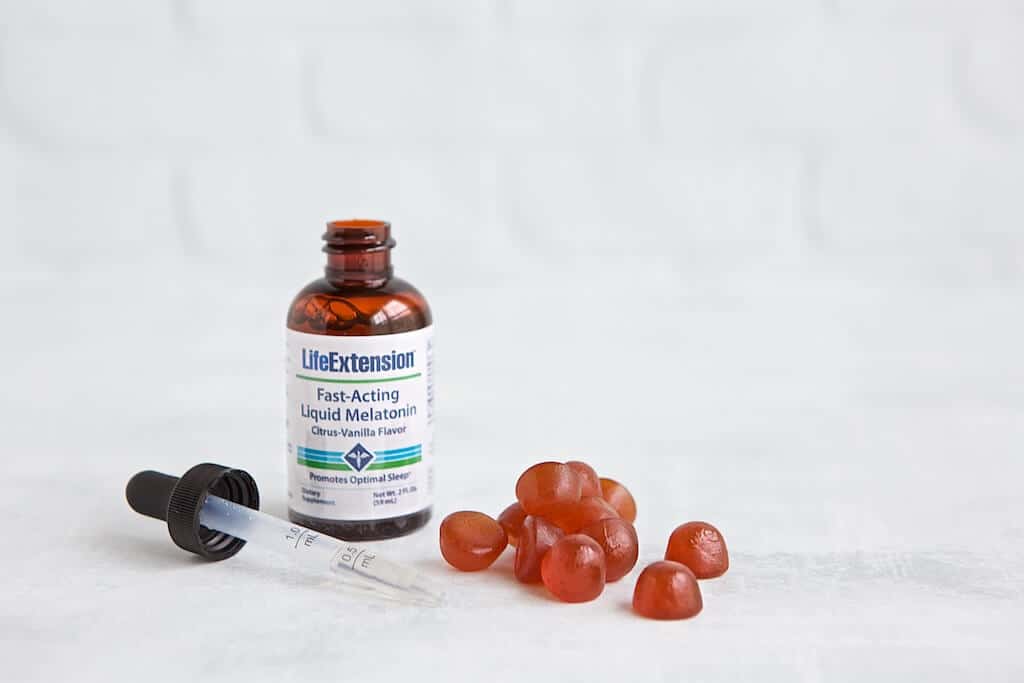
Melatonin can also by synthesized in a lab for higher doses of supplementation and delivered in either an immediate or a controlled release formula.
As with most supplements, it is important to research brands and ensure that the product actually contains what the label says it does. I’ve broken down the ingredients in certain brands’ melatonin supplements at the end of this post. Supplements are sold in a relatively unregulated market. This means supplement companies may submit their formulas to the FDA for testing and a seal of approval. However, there is no law saying that they must submit for testing. This can make it tricky to know what exactly what you’re purchasing. This is why it is important to do research or talk to your healthcare provider about a reliable brand. You can also look for USP or NSF certified supplements that are verified for purity.
Bioavailability
There are different forms of oral melatonin supplements that you can purchase including liquid, pills, and chewables. Regardless of the type of oral sleep supplement, the bioavailability of melatonin remains the same. The only difference is that the liquid form of melatonin may be absorbed faster. Bioavailability of melatonin is a fancy way of describing how much melatonin is actually absorbed body our body when we consume the liquid, pill, or chewable. Oral melatonin has 15% bioavailability, and the rest of the 85% is metabolized. This is much less than the 97% bioavailability of IV melatonin supplementation. Because of this, about 1 mg of oral melatonin should be consumed to produce the claimed effects of supplementation.
Melatonin safety
Melatonin supplements aid in the improvement of many systems, as mentioned above. However, use with caution and discuss with your physician to ensure its safety. They may cause excessive drowsiness when combined with sedatives, antihistamines, or narcotic pain relievers. It also may interfere with a variety of medications including corticosteroids, anti-diabetes, immunosuppressant, antidepressants, blood thinners, blood pressure, and anticoagulant medications. That is why it is so important to discuss melatonin supplementation with your doctor and find out if it is okay for you.
Sedative hypnotic benzodiazepines and type Z drugs (nonbenzodiazepine drugs with a similar effect to the benzodiazepine class) - together referred to as “BZD-Z drugs” - are the prescription strength drugs that have the same calming and sleep-promoting effects as melatonin. However, studies have shown that melatonin is a safer alternative to these BZD-Z drugs because it does not cause significant memory and cognition impairment, brain-to-muscle lag time, or drowsiness and cloudiness into the next day. Unlike the BZD-Z drugs, a physical dependence on melatonin has not been observed, and supplements are generally well tolerated. This suggests that melatonin supplementation is generally safe once discussed with your doctor.
No adverse effects have been recorded from studies over 6 months of daily melatonin use. However, negative effects may potentially arise with prolonged use. For instance, melatonin may suppress reproductive hormones over long periods of time. Because of this, closely monitor supplementation in children and teenagers and use sparingly.
How much is too much?
Some studies have shown that higher doses (3-4 milligrams) of melatonin supplementation when compared to a lower dose (0.1 and 0.3 milligrams of melatonin) caused prolonged elevation of melatonin levels in the body. These lasted throughout the morning and into the next day, when levels are supposed to be lower. Even though melatonin has a low toxicity, this prolonged elevation in serum melatonin may cause problems with side effects like drowsiness, somnolence, or an unsteady feeling when waking up. These higher levels of melatonin can actually lose their effectiveness on sleep parameters as supplementation continues. I am not comfortable with amounts of melatonin above 5 mg per day.
Who benefits the most from supplementation?
Melatonin has proven to be a safe and effective method of helping people fall asleep and stay asleep. This is especially true for children, adolescents, older adults, and postmenopausal women populations. Even consistent melatonin use produces a very low rebound insomnia rate.
A particular group of people who seemed to thrive from melatonin supplementation were those under treatment of beta-blockers. This is because they showed lower levels of melatonin production. This disrupts a proper circadian rhythm because the concentration of melatonin in the body at nighttime is less than expected and not enough melatonin to make the user drowsy for sleep onset. Melatonin supplementation turned this adverse effect of the beta-blocking medication around to put the participants’ circadian rhythms back in sync.
Many studies have shown the beneficial effects that melatonin supplementation has on a number of sleep disorders and sleep problems. The supplement has proven to be effective for relieving sleeplessness caused by insomnia, sleep-related breathing disorders (SBDs), central disorders of hypersomnolence, circadian rhythm sleep-wake disorders (CRSWDs), and parasomnias. The sleeplessness caused by these disorders is able to be relieved without physical dependence, addiction, or other significant adverse reactions when treated with melatonin.
Not enough solid published research exists to truly support pregnant women supplementing with melatonin.
Slow versus fast release
Melatonin supplements are relatively inexpensive, and there are so many different brands that carry their own version. We call the two main kinds of melatonin supplement formulas controlled-release and fast-release. While a controlled-release formula more closely resembles our natural melatonin cycles, there is some concern among researchers that maintaining high melatonin levels in our bodies for a longer period of time may actually be physiologically unsafe. This speculation correlates to the role melatonin has on metabolism, circadian rhythm, and cell restoration. One study explains that even 3-5 milligrams of fast-release melatonin may leave you with melatonin levels above physiological range throughout the night. This is of greater concern if you are taking a melatonin supplement every night.
I recommend a safer dose for more frequent melatonin use, such as using a fast-release formula of 0.3-2 milligrams about an hour before bed. This regimen has been shown to minimize prolonged unnatural levels of melatonin in the body and more closely resemble a natural circadian rhythm. The best time to take a melatonin supplement is about 30 minutes to 1 hour before bed.
Different Formulations of Supplements
L-theanine
Not all melatonin supplements are the same. Some may include L-theanine, and Gamma-Aminobutyric Acid (more commonly known as GABA). These additional ingredients aid the effects of melatonin to work more effectively. Although human research is relatively limited to personal experiences, animal studies suggest that L-theanine may be useful in managing anxiety, hypertension, the stimulating effects of coffee, and sleeplessness. This amino acid’s healthful properties may lead to a relaxed state before bed without necessarily inducing drowsiness. One study reported that the treatment group using L-theanine reported feeling more relaxed before bedtime, and benefitted from less nightmares and feeling more refreshed during the following day.
GABA
GABA, a chemical made in the brain, produces calming effects similar to L-theanine. It is the main transmitter in the brain that promotes sleep-active neurons at nighttime, while inhibiting wake-active neurons at nighttime to stay in sync with circadian rhythm. Enhancing this chemical and its activity in the brain improves the body’s readiness for sleep.
Melatonin Dosing
As far as dosing melatonin, the jury is still out to decide the best method of tackling this recommendation. Some studies look at the use of 0.1-0.3 milligrams of melatonin supplementation and compare it to 3-4 milligrams of melatonin, while others used even more and studied supplementation of 25-100 milligrams of melatonin.
According to studies, though, 0.5 milligrams of melatonin supplementation actually mimics the normal amount of melatonin that a healthy body produces, which does not interfere with the normal internal clock and body temperature regulation.
For more frequent melatonin use a fast-release formula of 0.3-2 milligrams is recommended about an hour before bed. This regimen has been shown to minimize prolonged unnatural levels of melatonin in the body and more closely resemble a natural circadian rhythm. The best time to take a melatonin supplement is about 30 minutes to 1 hour before bed.
I recommend starting with the lowest dose of 0.5mg, 1-2 hours before bedtime and only increase if needed at intervals of 0.5mg. The max amount I would be comfortable recommending is 3 mg.
Thinking about trying melatonin or want to know if it’s helping you get restful sleep? Download this melatonin sleep patterns tracker to help you know if you're benefiting. Scroll down and sign up in the text box below.
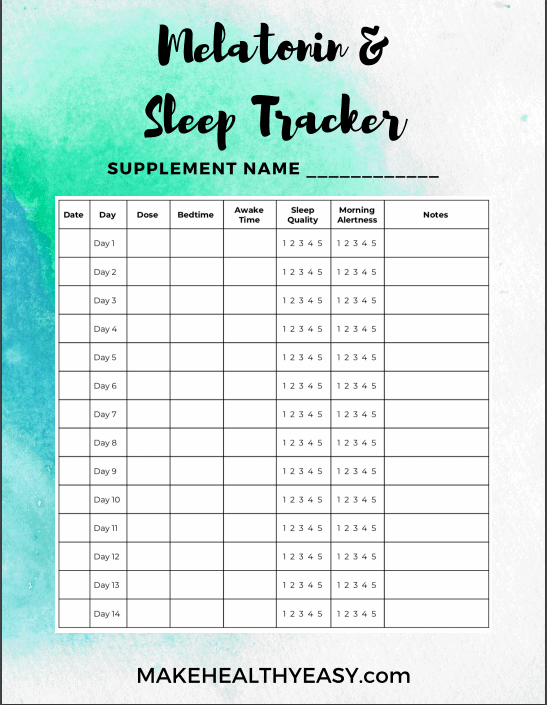
As a result, you will also be added to the MHE e-newsletter list.
Brand comparison
Click links to shop on Amazon. These are affiliate links.
| Supplement Brand | Sleep-Aid Ingredients |
| Life Extension Fast-Acting Liquid Melatonin | 3 mg Melatonin |
| Sundown Naturals Melatonin | 0.3 mg Melatonin |
| ZzzQuil Pure Zzzs | 2 mg Melatonin + chamomile & lavendar |
| Nature Made Melatonin | 3 mg Melatonin + L-theanine |
| Olly Sleep Vitamin Gummies | 3 mg Melatonin + L-theanine |
| Swanson Tart Cherry & Melatonin | 3 mg Melatonin + 500 mg tart cherry powder |
| Source Naturals Melatonin NutraSpray Sleep Support | 4.5 mg melatonin + 4.5 mg vitamin B-6 |
| Natrol Sleep Melatonin | 5 mg Melatonin |
| Up&Up Melatonin | 5 mg Melatonin |
| vitaFusion Melatonin Extra Strength | 5 mg Melatonin |
| Zarbee’s Sleep Adult Chewables | 5 mg Melatonin + L-theanine + GABA |
| Spring Valley Fasting Action Liquid Melatonin | 10 mg Melatonin |
This was a long one, I know, folks, but very important. I truly hope you learned something helpful about melatonin definition, benefits, safety and dosing.
Special thanks to Sarah Allen, a dietetic intern from the University of North Florida, who researched and wrote the majority of this article. Great job Sarah!
References
All references are also available here in this Google Drive folder
- Nelms M. Nutrition Therapy and Pathophysiology. 3rd ed. S.l.: Cengage Learning; 2016.
- Meng X, Li Y, Li S, et al. Dietary Sources and Bioactivities of Melatonin. Nutrients. 2017;9(4):367. doi:10.3390/nu9040367.
- Cipolla-Neto J, Amaral FG, Afeche SC, Tan DX, Reiter RJ. Melatonin, energy metabolism, and obesity: a review. Journal of Pineal Research. 2014;56(4):371-381. doi:10.1111/jpi.12137.
- Reiter RJ, Mayo JC, Tan D-X, Sainz RM, Alatorre-Jimenez M, Qin L. Melatonin as an antioxidant: under promises but over delivers. Journal of Pineal Research. 2016;61(3):253-278. doi:10.1111/jpi.12360.
- Cipolla-Neto J, Amaral FGD. Melatonin as a Hormone: New Physiological and Clinical Insights. Endocrine Reviews. 2018;39(6):990-1028. doi:10.1210/er.2018-00084.
- Ring M, Marchlewski A, Kaplan J. Dietary Supplements for Insomnia. Current Sleep Medicine Reports. 2017;3(4):306-315. doi:10.1007/s40675-017-0091-2.
- Vural EMS, Munster BCV, Rooij SED. Optimal Dosages for Melatonin Supplementation Therapy in Older Adults: A Systematic Review of Current Literature. Drugs & Aging. 2014;31(6):441-451. doi:10.1007/s40266-014-0178-0.
- Xie Z, Chen F, Li WA, et al. A review of sleep disorders and melatonin. Neurological Research. 2017;39(6):559-565. doi:10.1080/01616412.2017.1315864.
- Guardiola-Lemaitre B. Toxicology of Melatonin. Journal of Biological Rhythms. 1997;12(6).
- Wisden W, Yu X, Franks NP. GABA Receptors and the Pharmacology of Sleep. Handbook of Experimental Pharmacology. 2017. doi:10.1007/164_2017_56.