












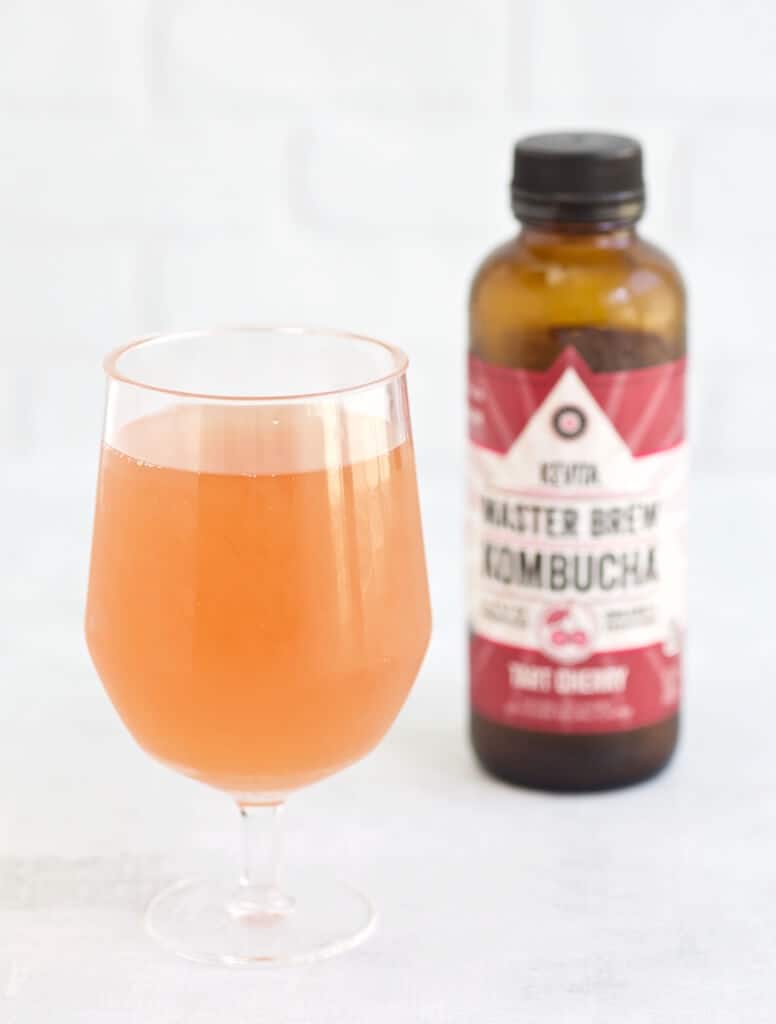
Kombucha is bubbling back into popularity. As interest in fermented foods continues to grow, these tangy, fizzy drinks have made a strong comeback in American culture. Touted for a wide range of health benefits, kombucha is especially celebrated for its probiotic content, which may support gut health and overall wellness.
Jump to:
What is Kombucha?
Kombucha is a sweetened, fermented tea beverage that has roots in ancient times. Black tea leaves are brewed (or green tea), sweetened (with sugar), inoculated with a combination of bacteria and fungus (called SCOBY or symbiotic culture of bacteria - I warn you to not look at too many pictures of it; it's weird looking), and then fermented for 7-14 days. The process is very similar to how vinegar is created from wine. In fact both contain high amounts of acetic acid, the most recognizable astringent flavor in vinegar. The result is a bubbly, lightly sweet and astringent drink that is enjoyed by some and thought to be a super drink by many.
Since the take-off of Kombucha a few years ago, companies have been making "probiotic beverages" that ferment more than just tea. I've seen and tried versions made from coconut water, water and juice. The process seems pretty similar but it's not technically "kombucha".
If you are wondering how kombucha tastes, well, I'll be honest. Many people would probably describe it as an acquired taste. It's tart and astringent, which I kind of like. All the brands taste a little different though and many options are less intense on the astringency. So try a few different flavors and brands before you make your final decision.
{Full Confession: Team Braddock is split on kombucha. Half of us (me and my youngest boy, pictured below) love the stuff. The other half (Coach and oldest son) are not believers. Coach will down a little for the beneficial effects if he's not feeling great but lovingly refers to it as Kom-booty.}

What Makes Kombucha Special?
Kombucha has been considered through centuries of history as a functional food to detoxify the blood, reduce cholesterol, reduce blood pressure, reduce inflammation, have antibiotic properties, relieve headaches, and treat many, many more ailments.
One of the reasons kombucha is prized for promoting overall health is because of the microbes it contains that are responsible for the fermentation process. The specific bacteria and fungus in each batch is unique and not standardized. This is one of the reasons why it’s difficult to identify specific nutritional composition and health benefits of kombucha as a whole.
Other components of kombucha tea that may have beneficial properties are the tea itself, which is naturally high in antioxidants, and the amount of organic acids created during fermentation.
At this time, most of the research on kombucha has been conducted on rats or on single human cells. All of that is to say, there’s no solid backing for all the health claims made about the wonder drink. But a summary of the available research has made some suggestions about Kombucha’s potential health benefits:
- It is a source of B vitamins and some essential minerals.
- It can have higher antioxidant activity than unfermented tea.
- It could protect the liver from the negative effects of toxins (at least in rats).
- It may have anti-cancer properties.
Should Everyone Be Drinking Kombucha?
When it comes to food, even super “natural” ones, it’s never a one size fits all situation. First, if you are drinking a home-brewed kombucha, be sure the person who made it (or you) really knows what they (you) are doing and uses sterile equipment. Kombucha that has been brewed for too long can produce dangerously high levels of some acids. There have also been some cases of severe illness, lead poisoning and gastrointestinal toxicity related to Kombucha consumption, although these are all very rare situations. For the most part, brewing at home is a safe and economical option.

Second, there are two groups of people with whom it is recommended to avoid Kombucha. They are lactating and pregnant women as well as those with compromised immune systems, specifically, those living with HIV/AIDS. I personally think that this is because they are "high-risk" populations. So if you fit in one of these categories, talk to your doctor or dietitian before trying kombucha. In store-bought versions, it typically has trace amounts of alcohol (less than 0.5% alcohol by volume) and is considered non-alcoholic. It also typically contains some caffeine, usually around 15 mg of caffeine.
Third, check the calories on your kombucha or probiotic beverage. Fortunately, many are lower in calories (say less than 50 calories for a whole bottle) and offer a tasty, tangy way to get in more fluids. But some are more sweetened and can contribute to added sugar intake and total calories. So just check the label first. My favorite brand is fairly low in calories and adds little to no sugar.
How Much Kombucha?
In general, Kombucha is considered a safe beverage to consume on a regular basis. The current recommendations are to consume 2-3 sources of fermented foods a day for gut health. You just want to be sure that the fermented beverage you choose contains live and active cultures. As far as the amount of kombucha that is safe to consume, I would recommend sticking to just 1 serving a day. That is about 8-12 ounces of kombucha a day. Any store-bought kombucha you purchase will say how many live active cultures are in each serving. Just be sure to pay attention to the sugar content and note how much sugar is included in the beverage you choose.
Homemade Kombucha or Store-Bought
There are now several larger scale, commercial companies that sell Kombucha drinks. One such company is Kombucha Wonder Drink . I interviewed Bryan Summers, their Marketing Coordinator, in 2015 about whether they encourage people to brew their own Kombucha or buy it. He says. “It’s ridiculously easy to make kombucha. It’s hard to make it taste good.” He encourages home brewing but enjoying a commercial kombucha on a regular basis to “check in” on your home brew flavor.
Kombucha can be pretty pricey to purchase on a regular basis so many fans choose to make home-brewed kombucha. I recommend going to a trusted source to learn the ropes of the fermenting process, and Summers recommended a book written by the Kombucha Wonder Drink founder, Stephen Lee, called Kombucha Revolution. This beautiful manual walks you through how to make kombucha and gives lots of recipes for unique flavors and applications, like cocktails.
You'll also need to invest in some supplies like a brewing kit, flavorings, and recipes.
Fortunately there are a lot of great companies making great kombucha nowadays and you can find almost anywhere drinks are sold. The price of a bottle I'd say averages $2.50, thus why I am always looking for coupons.
Cheers to Kombucha!
While there is not strong enough evidence to prove all the health claims for drinking kombucha, it is considered safe to drink kombucha when brewed correctly. The preliminary research is promising that it may truly be a wonder drink. But as always, kombucha is a part of a balanced diet. There are so many other foods and beverages that we know have proven health benefits. So enjoy it all!
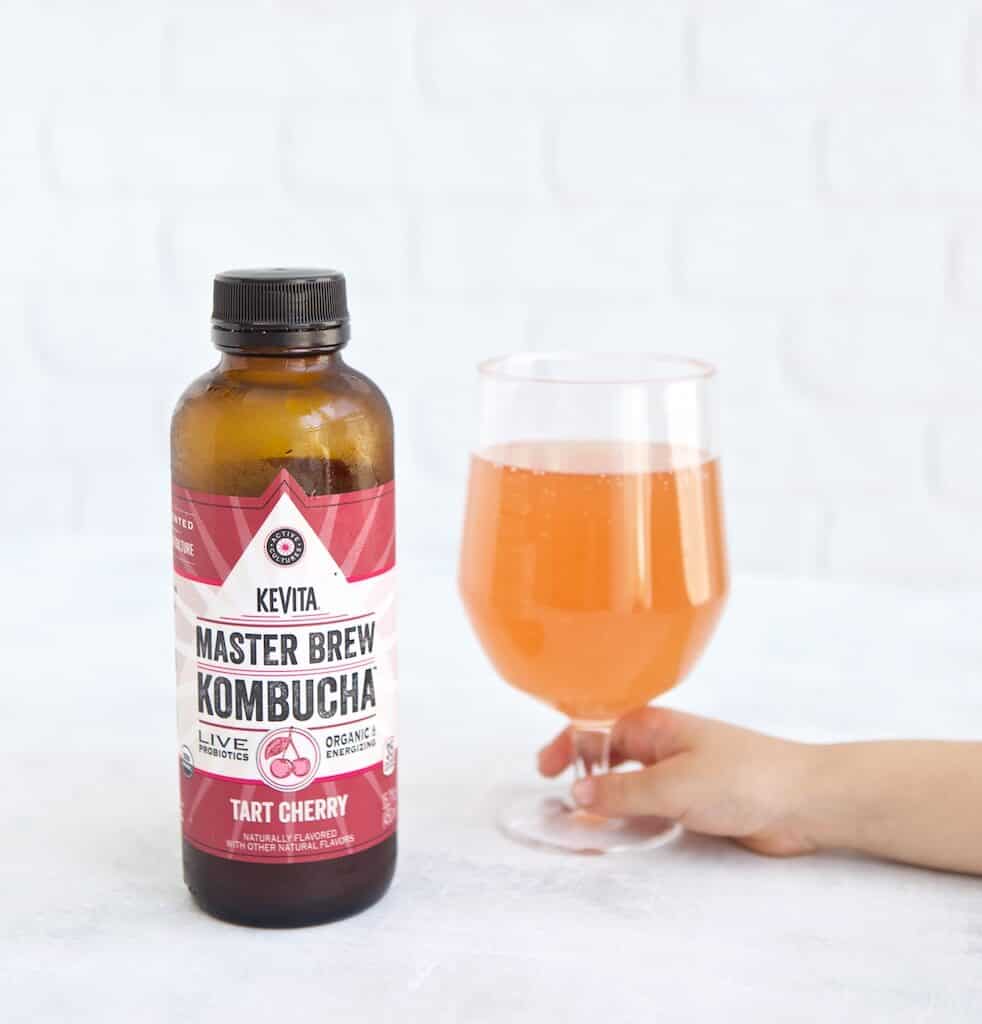
I personally enjoy having it from time to time (like when there's a coupon for them on Ibotta) and find them rather refreshing. I also am hoping for the probiotic benefit.
So tell me now, have you tried it? Do you like it? Leave a comment and let me know.

References:
Vinegar: Medical Uses and Antiglycemic Effects. Available at: http://www.ncbi.nlm.nih.gov/pmc/articles/PMC1785201/. Accessed on May 27, 2015.
Jayabalan R. et al. A Review on Kombucha Tea -- Microbology, Composition, Fermentation, Beneficial Effects, Toxicity, and Tea Fungus. Comp Rev in Food Sci & Food Safety. 13; 2014.